Send us a message and one of our specialists pest managers will be in touch
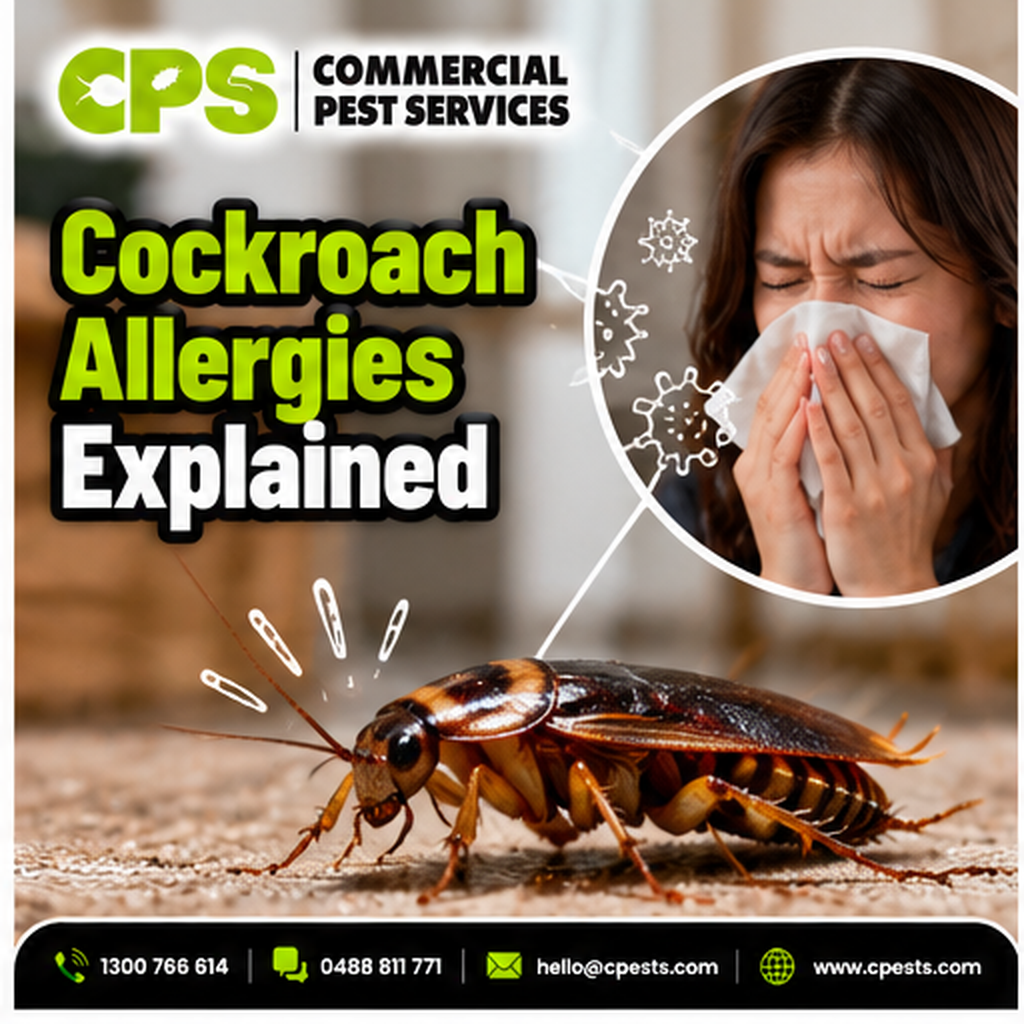
Cockroach Allergies Explained
October 13, 2026
Most people think of cockroaches as unpleasant household pests. However, they can affect more than just the appearance of your home. Cockroaches can also contribute to indoor allergy problems, especially when infestations become established. Even if you rarely see live cockroaches, they may leave behind allergens that remain in your home for a long time. […]
Most people think of cockroaches as unpleasant household pests. However, they can affect more than just the appearance of your home. Cockroaches can also contribute to indoor allergy problems, especially when infestations become established. Even if you rarely see live cockroaches, they may leave behind allergens that remain in your home for a long time.
Understanding how cockroach allergies develop can help homeowners protect both their property and their family’s health. By recognising the signs early and reducing cockroach activity, you can create a cleaner and healthier living environment.
How Do Cockroaches Cause Allergies?
Cockroaches do not bite to cause allergic reactions. Instead, they produce tiny particles known as allergens.
These allergens come from their droppings, saliva, shed skins and even dead cockroaches. Over time, the particles mix with household dust and become airborne when people vacuum, sweep or simply walk through the home.
When sensitive individuals breathe in these allergens, their immune system may react. The reaction varies from person to person, but repeated exposure can make symptoms worse over time.
Homes with ongoing cockroach infestations usually contain higher levels of these allergens than homes without cockroaches.
Common Allergy Symptoms
Cockroach allergens can affect both children and adults, although some people are more sensitive than others.
Sneezing and a Runny Nose
Frequent sneezing, nasal congestion or a constantly runny nose may occur when allergens circulate indoors.
Itchy or Watery Eyes
Some people experience irritated, itchy or watery eyes after prolonged exposure to cockroach allergens.
Skin Irritation
Sensitive individuals may notice itchy skin or mild rashes, particularly if allergens have accumulated in household dust.
Asthma Symptoms
Cockroach allergens are well known for triggering asthma symptoms in susceptible individuals. People with asthma may experience coughing, wheezing, chest tightness or difficulty breathing when exposed to high allergen levels. Children living in homes with cockroach infestations can be especially vulnerable.
Where Do Cockroach Allergens Build Up?
Cockroach allergens often collect in places where cockroaches hide and travel.
Kitchens are one of the most common areas because food, water and warmth are readily available. Bathrooms, laundries and storage rooms also provide moisture that supports cockroach activity.
Behind refrigerators, ovens and dishwashers, inside cupboards and within wall cavities, allergens can gradually build up without being noticed. Household dust then spreads these particles to other parts of the home.
Even after cockroaches are gone, allergens may remain unless the affected areas are cleaned thoroughly.
How to Reduce Cockroach Allergens
The most effective way to reduce cockroach allergens is to prevent or eliminate cockroach infestations.
Store food in sealed containers and clean crumbs or spills promptly. Empty rubbish bins regularly and repair leaking taps to reduce moisture. Sealing gaps around pipes, doors and windows also helps prevent cockroaches from entering the home.
Regular vacuuming using a vacuum with a quality filtration system can remove dust containing allergens. Wiping surfaces and reducing clutter also improve indoor hygiene.
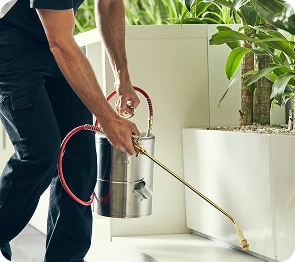
If you continue seeing cockroaches or suspect hidden activity, professional cockroach control is recommended. Pest management professionals identify breeding sites, locate hidden harbourages and apply targeted treatments that address the infestation at its source.
Healthy Homes Start with Effective Pest Management
Cockroaches are more than just an unwanted nuisance. Their allergens can affect indoor air quality and contribute to allergy and asthma symptoms, particularly for sensitive individuals.
Fortunately, homeowners can reduce these risks through good housekeeping, regular inspections and professional pest management. By controlling cockroach activity early, you not only protect your home from infestation but also create a healthier environment for everyone living inside.
We are committed to providing services that are effective, transparent, and easy to understand.
Book an inspection now with CPS today to arrange a professional inspection and tailored treatment plan.
We acknowledge the Traditional Custodians of Country throughout Australia and their connections to land, sea, and community.
We pay our respect to their Elders past and present and extend that respect to all Aboriginal and Torres Strait Islander peoples today.