Send us a message and one of our specialists pest managers will be in touch
Five Signs Your Commercial Building Has a Pest Problem Your Cleaning Company Isn’t Catching
June 9, 2026
Office cleaning teams often clean most of the spaces; however, they might miss the hidden places such as roof voids, storage spaces, and ceilings. These places are rarely cleaned, and most cleaning focuses on visible surfaces, where normally hidden pests are not visible. With that being said, pest activity remains hidden while spreading through undisturbed areas. The cleaning team usually focuses its energy on high-visibility areas, […]
Office cleaning teams often clean most of the spaces; however, they might miss the hidden places such as roof voids, storage spaces, and ceilings. These places are rarely cleaned, and most cleaning focuses on visible surfaces, where normally hidden pests are not visible.
With that being said, pest activity remains hidden while spreading through undisturbed areas. The cleaning team usually focuses its energy on high-visibility areas, surface-level sanitation, aesthetic presentation, and routine vacuuming or wiping down accessible areas.
However, they are not trained to identify hidden pest activity. These responsibilities are related to professional pest technicians.
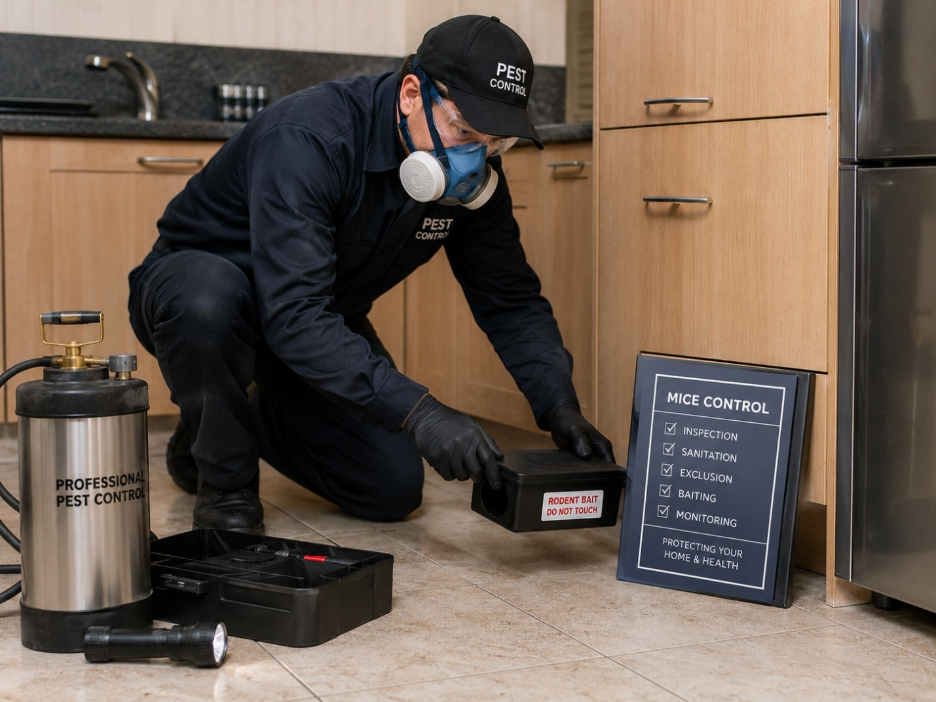
How do professional pest technicians perform pest control?
They are technically trained in specialized training with its practical tests and equipment. Generally speaking, the intensive training usually takes around 3-4 months, with the real pragmatic practices.
Why is pest control a critical role in commercial buildings?
There are numerous reasons why pest control is important:
Maintaining a hygienic environment is essential in commercial operations, for example, in warehouse management, which requires a structural sanitization process for the greater good of client satisfaction.
Another reason is that preventive practices are fundamentally more cost-effective than reactive actions. Preventative pest control is usually far more effective than reacting after an infestation spreads.
For those supervisors in the commercial sector, such as facility managers, commercial landlords, and business owners, they want to make sure their working environment is hygienic and pest-free.
Before all the work starts, the pest technicians are proactively searching for the signs of the infestation.
Sign 1. Dropping or Frass keep coming
The obvious infestation sign that managers can spot is mice’s droppings or insects’ frass.
Common areas that can be found:
Pantry and Breakroom Areas: Around food storage, behind microwaves, or under appliances.
Storage Rooms: Tucked behind boxes, old paperwork, or unused office furniture.
Ceiling Spaces: Inside drop ceilings or near HVAC ducting.
Disposal Zones: Behind or beneath large office rubbish bins.
What to Look For
Rodent Droppings: Small, dark pellets typically found near walls, baseboards, or behind heavy equipment where rodents travel.
Insect Frass: Fine, powdery debris or tiny pellets left behind by insects (like wood-boring pests, termites, or cockroaches).
Debris Accumulation: Piles of shredded paper, insulation, or cardboard near structural walls or machinery, which often indicate nesting activity.
If droppings continue appearing after cleaning, the active infestation sign is continuously showing in these areas.
Sign 2: Grease Marks, Smears, or Gnaw Damage
Rodents leave the grease trails on the pipeline, along the walls and skirting boards.
Another sign is that they bite the materials like packaging, wiring, wood, and even pets’ food. They sneak through the building while human intervention is involved.
Sign 3: Strange Smells or Noises
Hidden pest activity often creates noticeable smells and sounds before pests are actually seen.
Musty, oily, or ammonia-like odours can indicate rodents, cockroaches, or nesting activity inside walls, ceilings, or storage areas. Scratching, rustling, or movement sounds during the night are also common warning signs, especially in roof voids, wall cavities, and ceiling spaces.
These signs usually suggest pests are already active inside hidden parts of the building.
Sign 4: Live Pest Sightings During the Day
Seeing rodents, cockroaches, or other pests during business hours can indicate a larger infestation.
Many pests prefer staying hidden during the day. When activity becomes visible in open areas, it often means nesting spaces are overcrowded or that food pressure is increasing.
Repeated daytime sightings in kitchens, storage rooms, loading docks, or shared commercial areas should not be ignored because the infestation may already be spreading through the building.
Sign 5: Damage Around Storage, Bins, or Shared Areas
Commercial pests often leave physical damage behind before the infestation becomes obvious.
Check for:
Chewed packaging or wiring
Damaged cardboard storage
Nesting material near stock
Waste scattered around bin areas
Activity near loading docks or basements
Shared commercial areas such as rubbish zones, storage rooms, kitchens, and service corridors are common harbourage points because they provide food, moisture, and shelter.
If your building keeps showing signs of pest activity even after regular cleaning, the problem may be deeper than surface-level sanitation.
A professional inspection can help uncover concealed harbourage areas, entry points, and recurring activity that standard cleaning routines often miss.
Contact CPS today to arrange a professional inspection and tailored treatment plan.
We acknowledge the Traditional Custodians of Country throughout Australia and their connections to land, sea, and community.
We pay our respect to their Elders past and present and extend that respect to all Aboriginal and Torres Strait Islander peoples today.