Send us a message and one of our specialists pest managers will be in touch
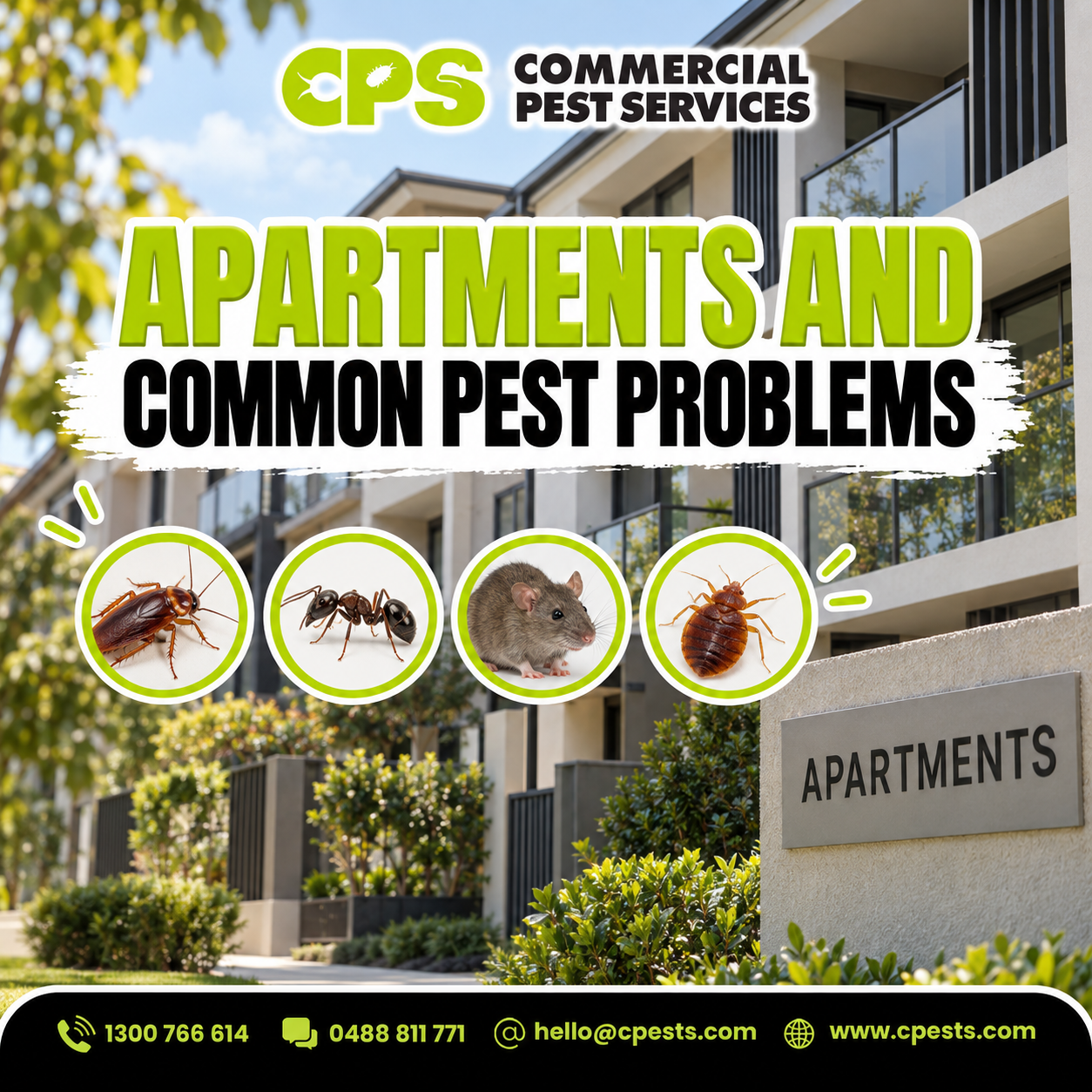
Apartments and Common Pest Problems: What Residents Should Know
September 24, 2026
Apartment living offers many benefits, from convenient locations to shared facilities and low-maintenance lifestyles. However, apartments can also face unique pest challenges. Because many people live close together, pests can move between units more easily than in standalone homes. Finding a few ants in your kitchen or spotting a cockroach in a hallway does not […]
Apartment living offers many benefits, from convenient locations to shared facilities and low-maintenance lifestyles. However, apartments can also face unique pest challenges. Because many people live close together, pests can move between units more easily than in standalone homes.
Finding a few ants in your kitchen or spotting a cockroach in a hallway does not always mean your apartment is unclean. In many cases, pests travel through shared spaces, plumbing systems or small gaps between units.
The good news is that both residents and property managers can help reduce pest activity. By working together, apartment buildings can become healthier and more comfortable places to live.
Why Are Pests Common in Apartments?
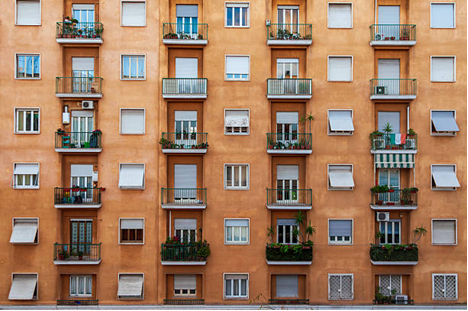
Unlike detached houses, apartments share walls, ceilings, floors and common facilities. These connected spaces can create pathways for pests to travel from one unit to another.
Apartment buildings also have shared rubbish rooms, recycling areas, gardens, basements and car parks. If pests find food or shelter in these locations, they may eventually spread throughout the building.
High resident turnover can also increase pest risks. Moving boxes, second-hand furniture and luggage may accidentally introduce pests into a building.
The Most Common Apartment Pests
Different pests are attracted to different conditions, but several species appear regularly in apartment buildings.
Cockroaches
Cockroaches are one of the most common apartment pests. They prefer warm, dark areas close to food and moisture, which makes kitchens, laundries and rubbish rooms ideal hiding places.
Because they can travel through wall cavities and plumbing, cockroaches may move between neighbouring units.
Ants
Ants often enter apartments in search of food. Even small crumbs or sugary spills can attract them. Once a food source is found, more ants quickly follow the same trail.
Rodents
Rodents can enter apartment buildings through service areas, basements or gaps around utility pipes. They often search for food, warmth and quiet places to nest.
Bed Bugs
Bed bugs may be introduced through luggage, visitors or second-hand furniture. Since apartments have many neighbouring units, early reporting and treatment are important to help prevent them from spreading.
Birds Around Balconies
Pigeons and other birds sometimes nest on apartment balconies or nearby ledges. Besides creating mess, nesting materials can attract other pests and damage outdoor areas if left unmanaged.
What Can Apartment Residents Do?
Everyone can help reduce pest activity by following simple prevention habits.
Keep kitchens clean, store food in sealed containers and empty rubbish regularly. Fix small leaks where possible and avoid leaving pet food out overnight.
Check doors and windows for gaps, and report building maintenance issues that could allow pests to enter. If you notice repeated pest activity, notify your property manager or strata representative as soon as possible instead of waiting for the problem to worsen.
How Property Managers and Strata Can Help
Pest management is most effective when the entire building is considered, not just individual apartments.
Routine pest inspections of common areas, waste rooms, gardens and shared facilities can help identify problems early. Good waste management, regular cleaning and prompt building maintenance also reduce the conditions that attract pests.
Working with a professional pest management provider allows property managers to respond quickly while supporting the comfort of all residents.
Apartment pest problems are rarely caused by one resident alone. Because buildings are connected, pest prevention works best when everyone plays a part.
Residents can maintain good housekeeping inside their homes, while property managers can look after common areas and arrange routine inspections.
Together, these efforts create a cleaner, healthier living environment and reduce the risk of pests spreading throughout the building.
We are committed to providing services that are effective, transparent, and easy to understand.
Book an inspection now with CPS today to arrange a professional inspection and tailored treatment plan.
We acknowledge the Traditional Custodians of Country throughout Australia and their connections to land, sea, and community.
We pay our respect to their Elders past and present and extend that respect to all Aboriginal and Torres Strait Islander peoples today.