Send us a message and one of our specialists pest managers will be in touch
How to control Flies in School Canteen and Kitchen before it becomes a Compliance Risk
May 18, 2026
Why Fly Control Matters in School Canteens Flies can transfer up to 65 diseases by landing on food prep surfaces in a school canteen. They carry over 100 pathogens, including serious illnesses like typhoid and salmonella. Because flies thrive on food, waste, and moisture, they pose a major health risk and compliance challenge for schools. […]
Why Fly Control Matters in School Canteens
Flies can transfer up to 65 diseases by landing on food prep surfaces in a school canteen. They carry over 100 pathogens, including serious illnesses like typhoid and salmonella. Because flies thrive on food, waste, and moisture, they pose a major health risk and compliance challenge for schools.
Why Schools are High-Risk Environments
Schools have a high chance of existing fly infestations because humidity and organic buildup create ideal breeding environments for flies. Flies feed not only on forgotten fruit boxes but also on the accumulation of kitchen waste, which negatively impacts students. Unlike sealed office environments, school canteens are open, with serving windows and delivery dock areas providing easy access for house flies (Musca domestica). Fluctuations in moisture and blockages can create conditions that facilitate infestation growth.
Moreover, flies exist in stagnant moisture ground wastes, which affects kitchen hygiene and can cause diarrhea for students.
Flies, especially drain flies, can carry bacteria from unsanitary conditions such as sewage and decaying organic matter.
These bacteria contaminate surfaces, posing significant health risks.
Contamination by flies increases the potential for disease transmission in school environments.
Drain flies indicate underlying sanitation issues that require immediate attention.
Effective prevention and control measures are crucial to reduce health risks associated with flies.
To prevent these common fly problems in schools, school managers and kitchen staff should strictly follow the school compliance strategy and prevention checklists every day. Fly populations breed rapidly in warm environments, and adult flies are responsible for reproduction, making them a key target for pest control strategies. School managers and supervisors should prevent these unforeseen causes effectively, which is also checked during health audits.
Daily Prevention Checklist for School Kitchens
Regularly clean kitchen areas, focusing on greasy countertops and promptly removing trash bins.
Follow strict sanitation practices with immediate cleanup and scheduled deep cleaning of all surfaces.
Control moisture by fixing leaks, drying mops, and eliminating standing water to reduce fly breeding sites.
Maintain daily sanitation in restroom areas, as these are common breeding grounds for flies.
Empty internal trash bins every afternoon and perform thorough cleaning, especially during warmer months.
Clean kitchen floor drains weekly using enzymatic drain cleaners to remove organic biofilm where drain flies breed.
Pour boiling water down affected drains to kill larvae and eggs and remove organic buildup.
Store food securely in refrigerators or airtight containers to avoid attracting flies.
Install UV insect light traps in food preparation areas, positioning them away from windows to avoid attracting flies indoors.
Use fly traps and baits, such as vinegar traps with dish soap, to attract and drown flies.
Install air curtains at main entrances to prevent flies from entering.
Types of Flies Commonly Found in School Canteens
School canteens and kitchens are especially vulnerable to fly infestations due to the constant presence of food, moisture, and organic material. Understanding the different fly species that can invade these spaces is crucial for effective fly control and maintaining food safety.
House Flies: The most common pest in food preparation areas, house flies are attracted to exposed food, garbage, and even a few drops of spilled liquid. They can spread diseases like salmonella and E. coli simply by landing on surfaces or food, making them a major compliance risk.
Drain Flies (Moth Flies): Often mistaken for tiny moths, drain flies breed in standing water and organic buildup inside drains, grease traps, and sinks. Their presence signals a need for immediate attention to hidden breeding sites and potential hygiene issues.
Why are flies such a nuisance?
Flies are attracted to food, rotting meat, and organic waste. They feed and breed in these materials, laying eggs that hatch into larvae, which further contaminate the environment. Because flies multiply quickly, a small problem can become a major infestation in just days.
Signs of a Fly Infestation
If you notice the signs of drain flies infestations, professional assessment is recommended:
Fly Activity Indicators
Description
Active clutter
A large group of active flies flying around the trash bins or open serving canteen.
Breeding evidence
Small, pin-sized eggs and larvae visible in waste compactors or moist dark areas—often detectable with the naked eye.
Spotting
Flies can live around places like upper-walls, ceiling, or near light fixtures.
Peak activity
Flies swarm can be found in serving open canteen around 10am – 2pm.
Drain activity
Tiny, moth-like Drain flies hovering around kitchen grease traps or floor wastes.
Compliance Risks for School Canteens
Under the standards of HACCP and Food Standard Australia 3.2.2, school’s canteen is legally required to perform these systematic hygienic procedures and eradicate the infestations. If the HACCP obligations safety fails during a council health inspection, they might charge your punishment with immediate fines, in the worst-case scenario, a temporary close notice might be cause. As a result, the school reputation severely damaged and disruption to school operations.
A professional assessment by experienced pest control technicians is recommended to identify the source of the infestation, assess breeding sites, and provide expert guidance. Effective fly control often involves identifying the source, applying insecticides to kill adult flies, and implementing preventive measures to avoid future problems.
Professional pest control services can provide comprehensive fly management solutions, including regular inspections and treatments to maintain a pest-free environment.
While professional eradication treatment is essential, there are prevention tips that high-school operation team can follow:
Empty all internal trash bins every afternoon and perform thorough sanitation, especially during warmer terms, as DIY methods only provide temporary relief without addressing root causes.
Install high-quality ventilation systems to block primary entry points for flies into the kitchen. These systems help maintain air circulation while preventing flies from entering through doors and windows, especially during busy service times.
Clean kitchen floor drains weekly with enzymatic cleaners and pour boiling water down drains to kill drain fly larvae, eggs, and remove organic matter.
Store all foods, including bread and fruits, in refrigerators or airtight containers instead of open bowls or bags.
Position UV Insect Light Traps away from windows in food preparation areas to capture adult flying insects and prevent them from entering.
Use fly traps and baits, such as vinegar traps with dish soap, to attract and drown adult flies effectively.
Install air curtains at main entrances to blow flies away and reduce their entry into the premises.
Train canteen staff to maintain strict door discipline by keeping fly screens closed during service to prevent fly entry.
While DIY products and methods may offer short-term relief, they do not address the root causes or provide long-term protection. Professional pest control treatments are designed to kill flies at all stages of their life cycle and deliver lasting results. Our CPS (Commercial Pest Services) approach tackles the high-pressure environment of a school campus by focusing on three core areas for elimination:
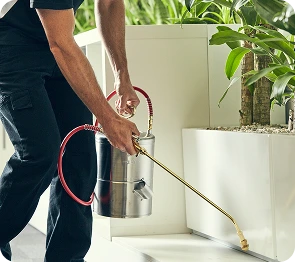
· Residual Surface Treatments: We apply specialized treatment to entry points like bin compounds and external walls. These killers can directly terminate flies on contact and are safe for food environments when applied during after-hours service. Fly control methods include chemical sprays, baits, traps, and fly screens to eliminate flies at all stages of their life cycle.
· Insect Light Traps (ILTs): For chemical-free protection in kitchens and canteens, we install high-performance ILTs. These units capture flies and other flying insects discreetly while providing a vital monitoring record for your HACCP documentation.
· Specialized Drain Treatment: We address the often-overlooked breeding grounds of Drain flies using enzymatic or insecticidal foam in kitchen floor drains to dissolve the organic biofilm. Flies, with their distinctive wings, can be distinguish from other pests. Drain flies and other pests can affect humans by contaminating surfaces and posing health risks.
Fly activity may decrease in winter, but prevention strategies should still be maintain year-round to ensure ongoing protection. Air curtains can also use at main entrances to blow flies away as they try to enter.
Protect your students and your reputation before the summer heat arrives. Book a free school site assessment with CPS today.
We acknowledge the Traditional Custodians of Country throughout Australia and their connections to land, sea, and community.
We pay our respect to their Elders past and present and extend that respect to all Aboriginal and Torres Strait Islander peoples today.