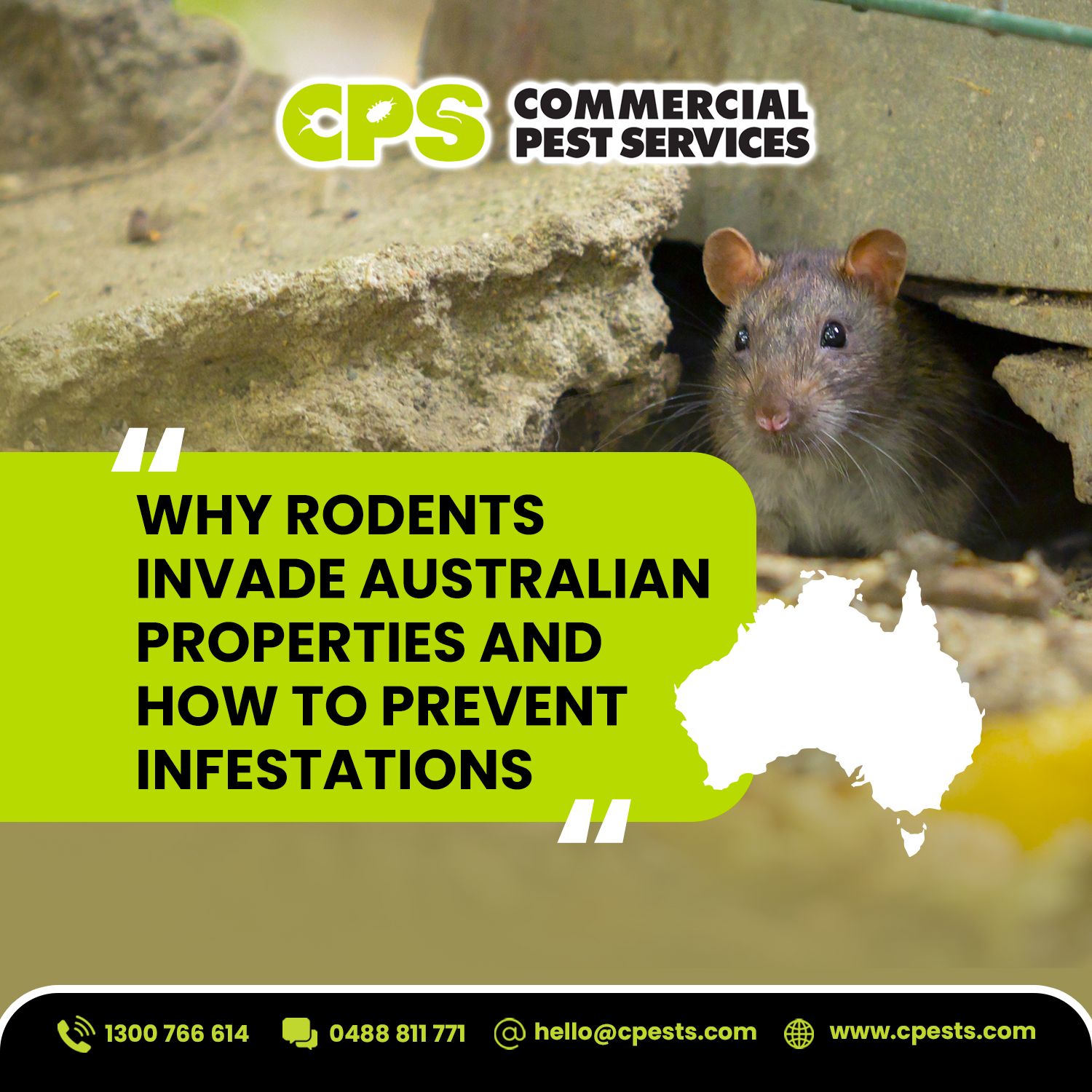
You walk into the storeroom, and something doesn’t feel right. There’s a sharp ammonia smell you can’t place; a bag of rice has been gnawed through at the corner. These are not coincidences. These are the early signals of a rodent infestation.
Rodent infestation signs
Rodents are mammal creatures, and they forage for food resources from restaurants, building nests in the warehouses, and after all, they establish colonies in hidden places.
- Ammonia odour: A sharp, strong ammonia smell that clearly shows the sign of rodent infestation in the hidden places, such as wall cavities, subfloors, and storerooms.
- Gnaw marks: As rodents have strong teeth and a sensitive sense of smell, they can easily spot food’s gnaw marks, approximately 2-4mm bitemarks, whether that is destroying the bags of rice or breaking into the food storage.
- Damaged packaging and containers: Shredded cardboard boxes, ripped food bags, and disturbed storage materials signal nesting activity and foraging. In warehouses or kitchens, this creates the food compliance risk.
- Droppings: Smell, dark droppings are typically 4-8mm in length, put out on walls, inside a cupboard, or near warehouses.
- Scratching sounds at night: They tend to be more active in a quiet building at night, in ceiling cavities, wall voids, or subfloor.
So to prevent these rodent infestations effectively for commercial businesses,
Here’s 5 Prevention Checklist
- Free of excessive moisture or broken windows: There are moisture places like roof leaks, leaking pipes or valves, which should be repaired, and some rodents might jump over broken windows, which are hiding in the walls or boxes, so repair them as early as possible.
- Throw away rubbish bags daily: Cleaning daily rubbish bags creates a hygienic environment. A clean workplace enhances business reputation.
- Installation of rubber-encased steel fabric sweeps: Install high-density steel fabric that is free from rodents, and check that fabric sweeps are in good condition.
- A/C refrigerant, hoses: Sealing with high-quality sealants immune to rodents hiding.
- Make sure Interior walls are in good condition: Fix damaged interior or exterior walls to ensure safe from rodent camouflage.
Professional technician tools for rodent infestation
Rodents are lively in the common areas like suburban cities because there are several industries operating on a daily basis, and agricultural cultivation attracts rodents to feed on their nutritional resources.
Track counts: Rodent track plates and dust tunnels place active runways, confirming rodent identification.
Surveillance Cameras: Installing cameras to capture both video and image formats, thanks to advanced technology, we can monitor their movement on mobile phones, 24/7.
Installing a baiting station around the perimeter of the building, approximately 10m.
Glue sticky card box: CPS provides a classic solution, yet very effective, which is applying the glue sticky card box under the walls, so whenever rats are running, they’ll be stuck.
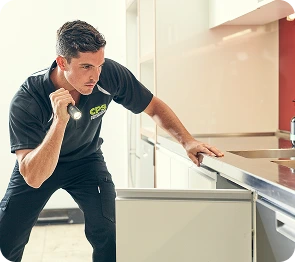
Our pest technicians make sure to secure pipes, walls, and doors in good condition and ensure no leaks or gaps.
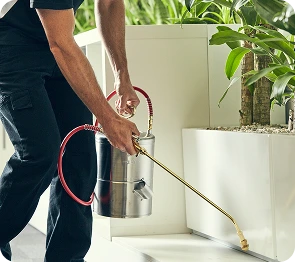
Rodents cannot be killed with liquid or spray chemical products.
Note: Liquid sprays and aerosol products sold in supermarkets do not control rodent infestations. Rodents avoid treated surfaces and recover quickly. Colony-level control requires baiting programs and structural exclusion by a licensed pest technician.
Hygiene Standards for commercial environments. How to prevent rodents effectively?
For food businesses, healthcare facilities, warehouses, and hospitality venues, rodent prevention is a legal requirement under Australian food safety legislation and HACCP standards.
– Store all food products at least 15 cm off the floor and away from the walls.
– Keep all dry goods in sealed, rodent-proof containers.
– Clean beneath and behind fixed kitchen and storage equipment regularly.
– Maintain a documented pest monitoring log as part of your food safety management system.
– Ensure staff understand what to report and have a clear escalation process for forest sightings.
Facing problems with rodent infestation? Don’t worry about your problems. Book your FREE pre-season rodent inspection.
FAQ
Difference between Rodents vs mice
Rodents have large ears and slender tails, while mice have typically small ears, hairy fur, blunt noses, and small tails.
What kinds of tools to prevent rodents?
Airtight Containers for all types of foods, including pets, birds, and snacks.
Scent-based repellent spray: Peppermint oil, lavender, or balsam wool to deter the mice or rodents, as it may require frequent reapplications.
Where should I place rodent traps or bait stations?
Near entry points: Placing traps or bait stations near entry points is effective, as traps or baits tied with cheese that attract rodents or mice.
[Book My Assessment → https://competitivepestcontrol.com.au/contact/ ]