Send us a message and one of our specialists pest managers will be in touch
Hidden Moisture: The Overlooked Risk Behind Water Damage and Winter Pest Activity
June 23, 2026
Hidden moisture potential risk is easy to miss because it starts where you do not normally look: behind walls, under a floor, inside wall cavities, roof voids, subfloors and wall voids. Across Sydney, Melbourne, Brisbane, Perth and regional Australia, hidden leaks and slow leaks can quietly lead to water damage, mould growth, pest activity and […]
Hidden moisture potential risk is easy to miss because it starts where you do not normally look: behind walls, under a floor, inside wall cavities, roof voids, subfloors and wall voids. Across Sydney, Melbourne, Brisbane, Perth and regional Australia, hidden leaks and slow leaks can quietly lead to water damage, mould growth, pest activity and expensive repairs long before a burst pipes event is obvious.
Hidden Moisture Risks in Australian Homes and Businesses
Hidden moisture is not usually dramatic flooding. It is trapped moisture from a small drip, failed plumbing, condensation, rising damp or a water leak that spreads through the building unseen.
Hidden water leaks can develop out of sight, causing structural damage and inviting mould, which can lead to serious health concerns if not addressed.
Most home insurance policies exclude damage caused by long-term, gradual leaks, which can lead to financial liabilities for homeowners.
Unaddressed moisture can lead to major repair costs, often requiring extensive refurbishments that significantly exceed standard maintenance expenses.
Unexplained spikes in your water bill can indicate hidden leaks, as unseen leaks can allow hundreds of liters to seep away daily without detection.
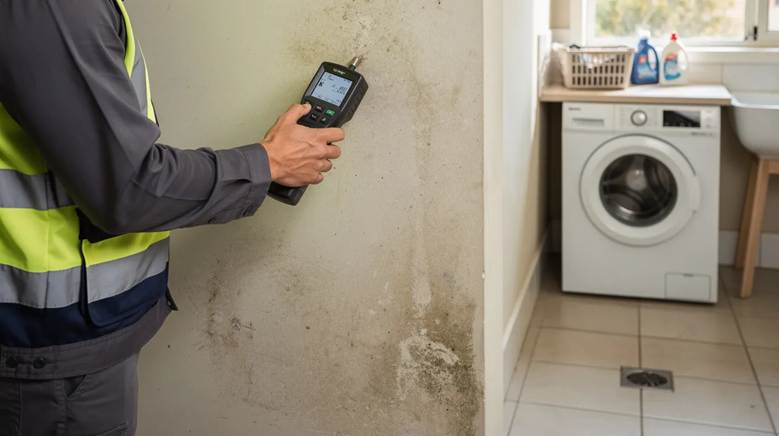
“In one NSW-style townhouse example, a slow leak behind a laundry wall caused musty odours, silverfish, and mould before peeling paint or staining appeared in one room.”
How Hidden Leaks Create Ideal Conditions for Pests
Pests need shelter, food, and water. Damp, warm, dark spaces indoors provide all three, especially near kitchens, bathrooms, laundries and hot water systems.
Cockroaches, ants, rodents, mice and rats often move towards damp cabinetry, pipes and hidden leaks.
Termites and other wood-destroying insects are attracted to damp timber structures, which can compromise building structures.
Hidden moisture can lead to pest infestations, as damp environments attract termites and other wood-destroying insects, compromising building structures.
In food, healthcare, and aged care facilities, hidden moisture can jeopardise audit compliance, hygiene, stock and brand reputation.
Winter Pests and Moisture: Why Cold Months Are Not “Safe”
Recent Bureau of Meteorology outlooks show milder Australian winter conditions, so winter pests can remain active longer indoors during the cold season.
In winter months, rodents, German cockroaches, and ants follow warmth, temperature gradients, hot water pipes, and damp subfloors.
Cold weather drives pests indoors through entry points around doors, windows, vents, and service penetrations.
Homeowners can manage winter pest activity by sealing gaps around doors and windows and maintaining strict kitchen hygiene.
Storm Damage and Pest Activity
June–August storms can damage roofs in NSW and Queensland, leaving roof voids damp for weeks and encouraging nests, bird mites and rodent activity.
Early Warning Signs of Hidden Moisture and Water Damage
Early detection is usually cheaper than waiting for visible damage. A visual inspection should compare suspect zones with dry areas in multiple areas of the house or property.
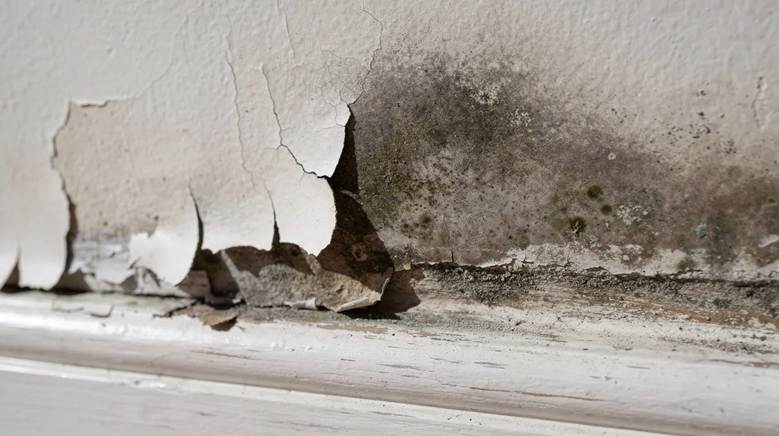
Look for new damp patches on walls or ceilings, bubbling, peeling paint, stained carpet, soft carpet, swollen trim, lifting vinyl.
Damp patches on walls or floors, such as soft carpet or stains, are often early visual cues of hidden water leaks that can lead to significant structural damage.
Musty smells, cold clammy corners, mildew growth on windows and repeated mould on paint are a red flag.
Check the water meter at night: record it, avoid water use for a few hours, then re-check. Movement may indicate leaks.
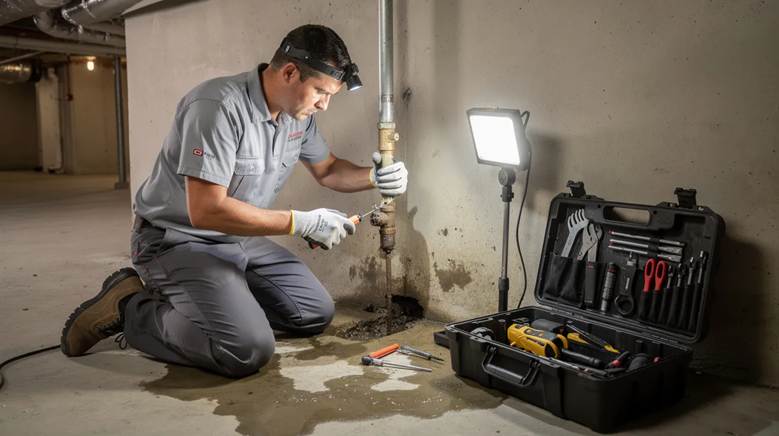
If signs are left unchecked, call a licensed plumber for leak detection and CPS for moisture-linked pest control services.
Common Sources of Hidden Moisture in Australian Properties
Many sources sit out of sight in roof voids, subfloors, behind tiled surfaces and inside walls.
Subfloor and slab issues: poor drainage, concrete paths falling towards the building and rising damp in older brickwork.
Damp insulation loses its thermal resistance, causing increased energy bills and overworking heating and cooling systems.
Electrical hazards arise when moisture inside walls corrodes wiring and short-circuits electrical systems, increasing the risk of fire.
The Link Between Moisture, Mould, and Health Risks
Hidden moisture drives mould and mildew.
According to Australian dampness research, mould and damp homes are linked with respiratory symptoms and poorer indoor air quality.
Mould spores thrive in damp, dark spaces, multiplying rapidly when water is present, often signaling excess moisture from hidden leaks.
Toxic mold spores can grow within 24 to 48 hours of water exposure, posing serious respiratory risks.
Moisture trapped in unventilated areas fosters mold and mildew growth, triggering respiratory illnesses and allergies.
Hidden moisture damages structural integrity and occupant health by accelerating decay and promoting toxic mold growth.
Common symptoms include aggravated asthma, coughing, runny nose, headaches, and eye irritation.
Australian workplaces and healthcare facilities must treat water damage and mould as critical hygiene and compliance issues.
Moisture, Termites, and Structural Integrity
Termites are strongly linked to consistent moisture, especially where damp timber, soil contact and concealed access meet.
Leaking showers, upper-level bathrooms and dripping air conditioning can keep timber framing and subfloor timber damp.
Wood rot occurs when hidden leaks cause timber framing to decay, resulting in loss of load-bearing capacity.
Sagging floors, sticking doors, cracked cornices and bulging skirting boards may indicate serious structural issues.
Even a small recurring leak near a window or balcony door can create a protected moisture trail termites use.
Properties with active dampness issues suffer substantial market value depreciation due to increased buyer caution and failed inspections.
CPS combines termite inspections with moisture readings and water damage checks to assess structural issues more accurately.
Protecting Your Property with a Moisture‑Aware Pest Management Plan
Long-term protection means treating moisture, hygiene and pests together rather than reacting after an infestation has spread.
If you are seeing mould, insects, rodents or unexplained water use, book a CPS inspection before the next wet period. Early action can protect your house, commercial site and building value before hidden moisture becomes expensive damage.
Contact CPS today to arrange a professional inspection and tailored treatment plan.
We acknowledge the Traditional Custodians of Country throughout Australia and their connections to land, sea, and community.
We pay our respect to their Elders past and present and extend that respect to all Aboriginal and Torres Strait Islander peoples today.