Send us a message and one of our specialists pest managers will be in touch
Signs You Have a Hidden Pest Infestation Before It’s Too Late
September 25, 2026
Most pests prefer to stay out of sight. They often hide inside walls, roof spaces, under floors or behind cupboards where they can find food, water and shelter. As a result, an infestation may continue growing long before you notice the first obvious signs. Whether you own a home or manage a business, recognising the […]
Most pests prefer to stay out of sight. They often hide inside walls, roof spaces, under floors or behind cupboards where they can find food, water and shelter. As a result, an infestation may continue growing long before you notice the first obvious signs.
Whether you own a home or manage a business, recognising the early warning signs can help prevent costly damage and protect your property. Fortunately, many hidden pest infestations leave clues if you know where to look.
Why Do Pests Stay Hidden?
Pests naturally look for safe places where they can live without being disturbed. Dark, quiet areas provide ideal conditions for nesting, breeding and finding food.
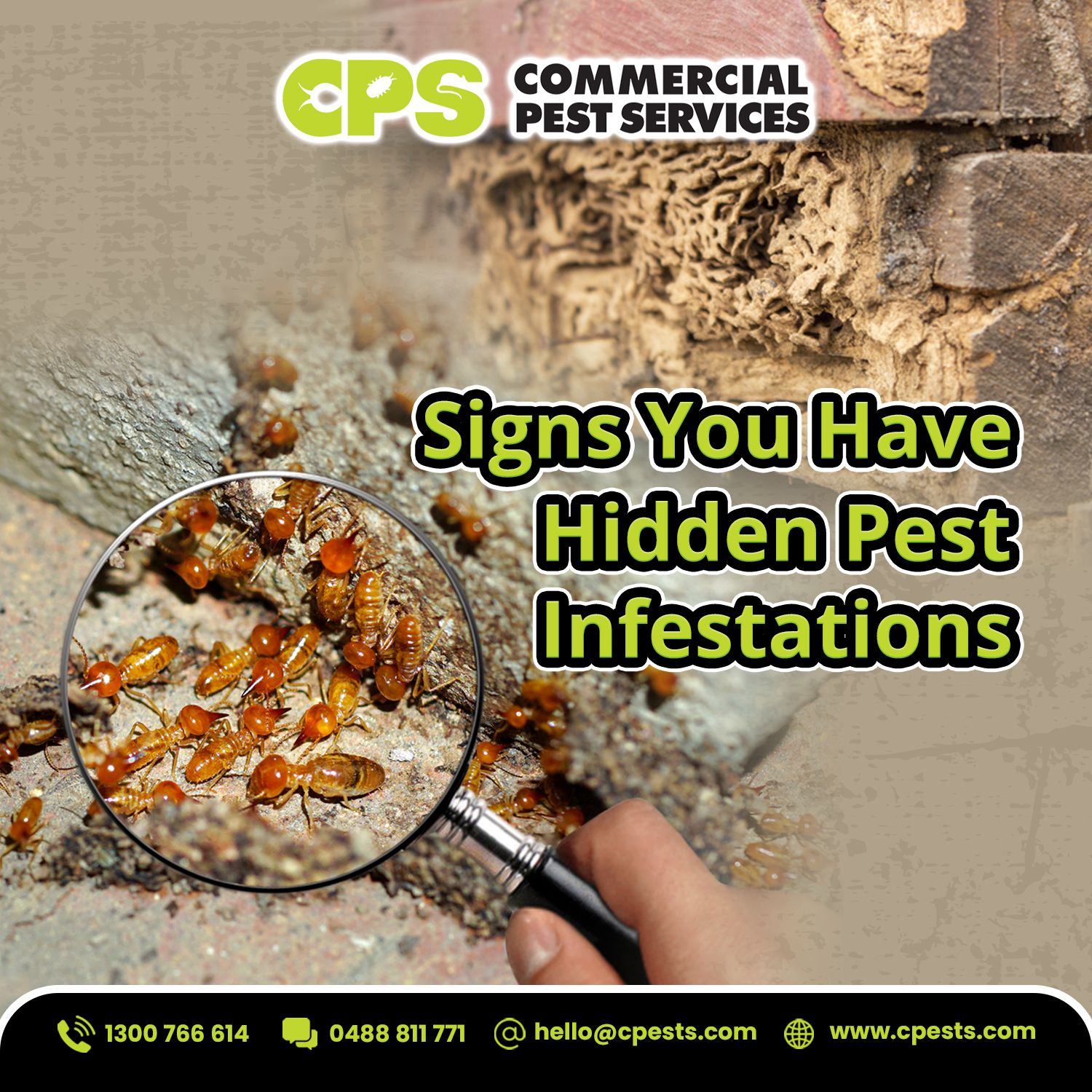
Rodents often hide in roof voids, wall cavities and storage areas. Cockroaches prefer warm and damp spaces such as kitchens, bathrooms and laundries. Meanwhile, termites remain hidden inside timber or beneath the ground, making them especially difficult to detect without a proper inspection.
Because many pests stay out of sight, regular property checks play an important role in effective pest prevention.
Common Signs of a Hidden Pest Infestation
Although pests remain hidden, they usually leave evidence behind. Paying attention to small changes around your property can help you identify a problem early.
Unusual Noises
Scratching, scurrying or light tapping sounds inside walls or ceilings often indicate rodent activity. These noises are usually more noticeable at night when rodents become active.
Droppings and Pest Waste
Small droppings around cupboards, pantries, garages or storage rooms are one of the clearest signs of a pest infestation. Different pests leave different droppings, but any unexplained pest waste should be investigated.
Strange Smells
Persistent musty, oily or unpleasant odours may suggest hidden pest activity. These smells can come from nesting materials, pest waste or areas where pests regularly gather.
Damage Around the Property
Chewed food packaging, damaged electrical cables, shredded paper and hollow-sounding timber should never be ignored. Rodents often chew to keep their teeth short, while termites quietly feed on timber from the inside out.
Discarded Wings or Nests
Finding small piles of insect wings near windows, doors or light fittings may indicate termite or flying ant activity. Likewise, discovering nests made from paper, grass or other materials suggests pests have settled nearby.
More Pest Sightings
Seeing one cockroach or one mouse does not always mean you have an infestation. However, frequent sightings often indicate a larger population hiding nearby.
Where Should You Check First?
Some areas of a property naturally attract more pest activity than others.
Start by checking your kitchen, pantry and laundry because these spaces provide easy access to food and water. Next, inspect roof spaces, garages and storage areas where pests often build nests without disturbance.
Outside, pay attention to gardens, sheds and bin storage areas. Overgrown vegetation, clutter and overflowing rubbish bins create ideal hiding places for many common household pests.
Regular inspections in these high-risk areas can help you detect problems before they become more serious.
When Is It Time to Call a Professional Pest Control Technician?
Some pest problems can be resolved quickly, while others require expert attention.
If pests continue returning, you notice signs of structural damage or suspect termites, it is best to arrange a professional pest inspection. A qualified pest control technician can identify the pest species, locate hidden nesting areas and recommend the most effective pest management solution.
Early treatment often saves both time and money by preventing infestations from becoming more severe. That’s why preventative pest measures are recommended.
Hidden pest infestations rarely disappear on their own. Instead, they usually become larger over time if left untreated.
By recognising the early warning signs, inspecting common hiding places and acting quickly, you can better protect your home or business from unnecessary damage.
We acknowledge the Traditional Custodians of Country throughout Australia and their connections to land, sea, and community.
We pay our respect to their Elders past and present and extend that respect to all Aboriginal and Torres Strait Islander peoples today.