Send us a message and one of our specialists pest managers will be in touch
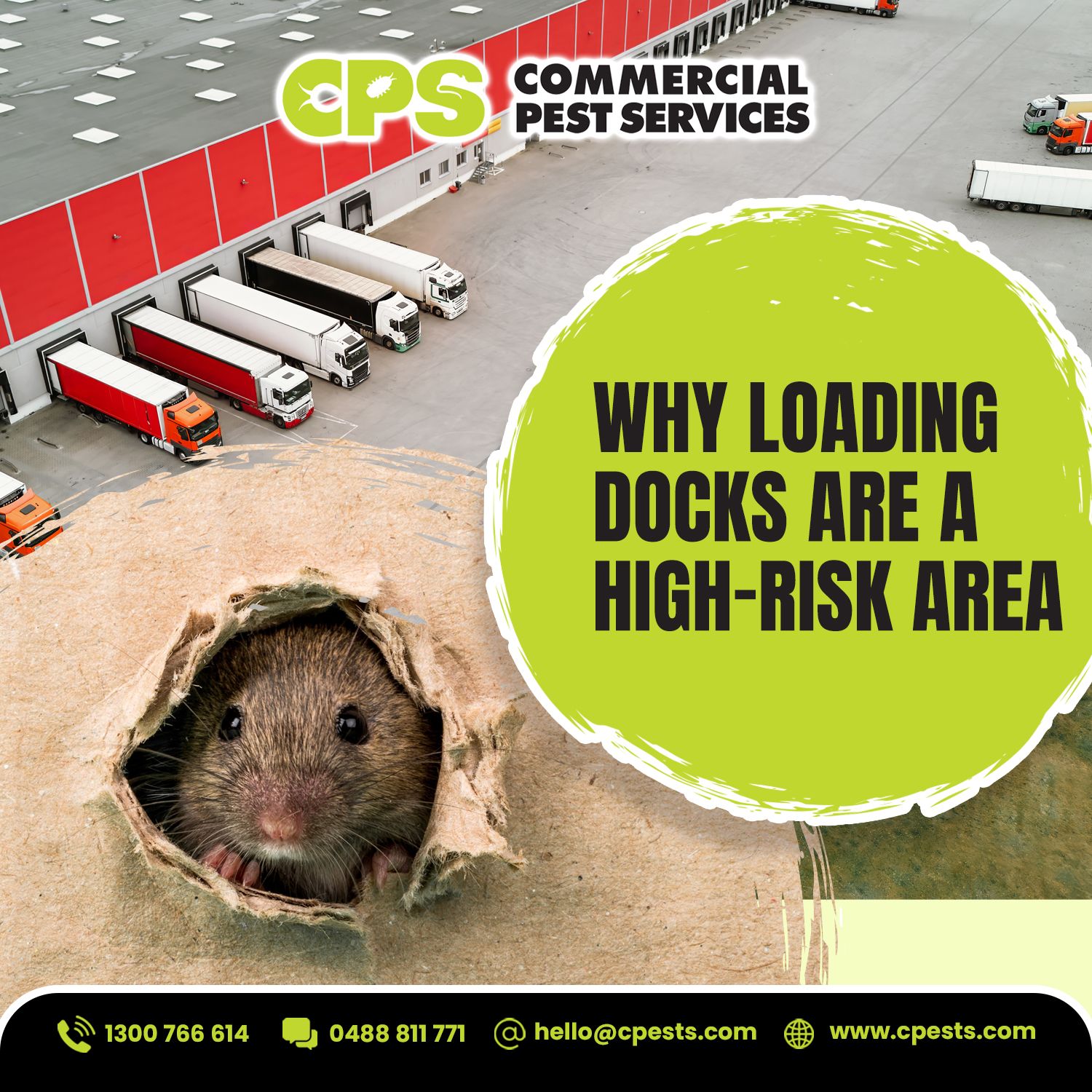
Why Loading Docks Are High-Risk Areas for Pest Activity
August 25, 2026
Loading docks keep businesses moving. They connect warehouses, distribution centres, manufacturing facilities, and retail operations with the products they need every day. However, while they play an essential operational role, loading docks can also become one of the highest-risk areas for pest activity. Because goods constantly move in and out, these areas face unique challenges that […]
Loading docks keep businesses moving.
They connect warehouses, distribution centres, manufacturing facilities, and retail operations with the products they need every day. However, while they play an essential operational role, loading docks can also become one of the highest-risk areas for pest activity.
Because goods constantly move in and out, these areas face unique challenges that other parts of a facility may not experience.
Understanding these risks can help businesses take practical steps towards prevention.
Why Loading Docks Attract Pests
Loading docks sit at the intersection between the outside environment and indoor operations.
Dock doors open frequently throughout the day. Deliveries arrive from different locations. Packaging materials move through the area continuously.
At the same time, external lighting, shelter opportunities, and nearby waste areas may attract pests looking for food, water, or protection.
None of these factors automatically lead to infestations.
However, they can increase the likelihood of pest activity if businesses overlook prevention.
Rodents Often Follow Supply Chains
Rodents are among the most common pests associated with loading docks.
Mice and rats can travel alongside incoming deliveries, hide within storage areas, or seek shelter around busy operational spaces.
Once inside, they may contaminate products, damage packaging, and create health and safety concerns.
Because rodents reproduce quickly, early detection remains essential. Routine inspections and monitoring help identify activity before it escalates.
Birds Can Create Operational Challenges
Bird activity around loading docks often receives less attention than rodent activity.
However, birds can create significant concerns for commercial facilities.
Roof structures, awnings, and nearby ledges may provide ideal resting and nesting locations.
Bird droppings can create slip hazards, contribute to property damage, and affect the appearance of a facility.
At CPS, bird control focuses on humane and compliant solutions designed to discourage nesting while supporting environmental responsibility.
Crawling Insects May Enter Through Daily Operations
Cockroaches, ants, and other crawling insects can also find opportunities around loading areas.
Food residue on packaging, spills, and cluttered spaces may attract these pests.
Cardboard materials can sometimes provide temporary shelter as goods move throughout the supply chain.
Maintaining clean operational areas and responding promptly to concerns can help reduce these risks.
Practical Steps to Reduce Pest Risks
Small actions can support long-term warehouse pest prevention.
Businesses can:
Inspect incoming goods when practical.
Keep loading areas clean and organised.
Remove waste promptly.
Minimise unnecessary clutter.
Report pest sightings early.
Maintain regular inspections.
Review high-risk areas routinely.
Together, these practices strengthen prevention efforts without disrupting operations.
Why Monitoring Matters
Loading docks operate in fast-paced environments where issues can develop quickly.
For this reason, ongoing monitoring provides valuable insight.
At CPS, smart pest monitoring supports businesses through trend reporting, time-stamped records, secure online reporting, and greater visibility across sites.
Rather than waiting for visible problems, businesses can respond to changing conditions earlier.
This proactive approach helps reduce emergency treatments, protect products, and support operational continuity.
Protecting the Gateway to Your Business
Loading docks do more than move products.
They protect supply chains, support staff, and contribute to the success of daily operations.
Because they also serve as common entry points for pests, they deserve focused attention within every commercial pest management program.
We are committed to providing services that are effective, transparent, and easy to understand.
Book an inspection now with CPS today to arrange a professional inspection and tailored treatment plan.
We acknowledge the Traditional Custodians of Country throughout Australia and their connections to land, sea, and community.
We pay our respect to their Elders past and present and extend that respect to all Aboriginal and Torres Strait Islander peoples today.