Send us a message and one of our specialists pest managers will be in touch
Pest-Proofing Homes Before Winter: Australian Homeowners Guide
June 4, 2026
Pest-Proofing Homes Before Winter: What Can You Do? As temperatures begin to drop across Australia, many pests start searching for warmer and more protected indoor environments. Winter often changes pest behaviour, driving rodents, cockroaches, spiders, ants, and termites closer to homes in search of shelter, food, and moisture. While many homeowners only notice pests once they […]
Pest-Proofing Homes Before Winter: What Can You Do?
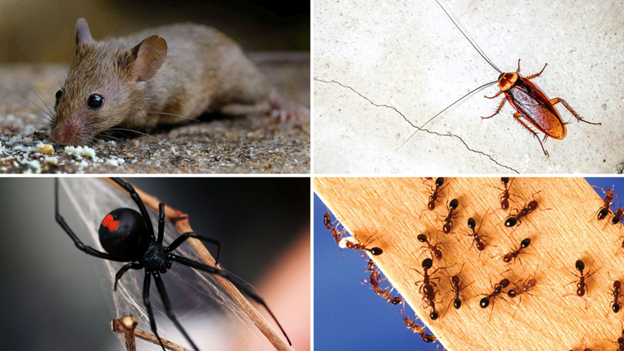
As temperatures begin to drop across Australia, many pests start searching for warmer and more protected indoor environments. Winter often changes pest behaviour, driving rodents, cockroaches, spiders, ants, and termites closer to homes in search of shelter, food, and moisture.
While many homeowners only notice pests once they become visible indoors, infestations often begin long before winter fully arrives. Small entry points, hidden moisture, cluttered storage spaces, and structural gaps can quickly become attractive nesting areas during colder months.
That is why pest-proofing homes before winter is one of the most effective ways to reduce seasonal infestations and protect indoor environments. By understanding how pests behave in winter and identifying the risks associated with different home structures, homeowners can take more proactive and preventative steps before problems become widespread.
Why Pests Become More Visible Indoors During Winter
During winter, outdoor temperatures and environmental conditions become less favourable for many pests. As food sources decline and shelter becomes limited, pests actively move indoors where conditions remain warmer and more stable.
Homes naturally provide:
Warmth and insulation
Reliable food and water sources
Protected nesting areas
Less exposure to outdoor weather
This seasonal migration explains why many homeowners notice increased pest activity during colder months.
However, pests do not invade homes randomly. Different pests target different indoor environments depending on moisture, warmth, access points, and available nesting areas.
Understanding these behavioural patterns plays an important role in winter pest prevention.
Common Winter Pests and Their Behaviour
Cockroaches
Cockroaches thrive in warm, humid, and sheltered environments. During winter, they often move deeper into indoor areas where kitchens, laundries, bathrooms, and storage rooms provide access to moisture and food.
Modern homes with sealed insulation and heated interiors can unintentionally create ideal environments for cockroach activity.
Common signs include:
Musty odours
Droppings
Activity around sinks and drains
Increased sightings at night
Cockroaches may also contribute to indoor hygiene concerns and poor air quality through allergen particles left behind by droppings and shed skin.
For more seasonal hygiene strategies, homeowners may also benefit from reading related content about winter pest prevention and indoor pest health risks.
Rodents
Rodents become especially active during winter as they search for warmer nesting spaces and reliable food sources.
Rats and mice commonly enter homes through:
Roof gaps
Wall cavities
Garage openings
Utility lines
Floor gaps
Damaged vents
Once indoors, rodents often nest in roof voids, insulation, storage rooms, subfloors, and kitchens.
Rodents can spread contamination quickly through droppings, urine, and gnawing activity. They may also damage electrical wiring, insulation, timber, and stored belongings.
Because rodents reproduce rapidly, early pest-proofing measures remain critical before winter activity increases. Explore more about how CPS manages rodent control for your property.
Spiders
Many spider species become more noticeable indoors during winter because they seek protected areas away from colder outdoor temperatures.
Spiders often hide in:
Ceiling corners
Garages
Sheds
Storage areas
Window frames
Behind furniture
While many Australian spiders are harmless, increased spider activity may indicate the presence of other insects inside the home, as spiders often follow food sources.
Reducing indoor insect activity can help lower spider presence naturally. Read more about our spider control if you have any concerns.
Ants
Ants continue searching for food and moisture throughout winter, particularly inside heated homes.
Kitchens, pantries, and wall cavities often attract ants because they provide:
Food crumbs
Moisture
Stable temperatures
Small structural gaps around windows, doors, and utility pipes can allow ants to establish hidden indoor trails before homeowners notice larger infestations.
Although ants can be harmless, they can be a nuisance and cause discomfort when numbers are high. Prevention against ants in advance is therefore recommended.
Termites
Unlike some pests that become visibly active indoors during winter, termites often remain hidden while continuing to damage timber structures silently.
Winter moisture and sheltered environments may increase termite risks in:
Timber structures
Subfloors
Damp wall cavities
Poorly ventilated spaces
Many homeowners mistakenly believe termite activity slows completely during colder months. However, termites can remain active year-round in suitable environments.
Health and Structural Risks of Winter Pests Activity
Winter pest activity can create more than just nuisance problems. Certain pests may also contribute to health concerns and structural damage if infestations become established indoors.
Allergies and Respiratory Irritation
Cockroaches, rodents, dust accumulation, and nesting debris may contribute to indoor allergen buildup.
Pest-related allergens can circulate through:
Air conditioning systems
Ventilation
Indoor airflow
Cleaning activities
These allergens may worsen and lead to extreme sneezing, skin irritation, indoor discomfort and respiratory sensitivities.
Maintaining preventative pest measures helps support cleaner and healthier indoor environments during winter.
Infectious Risks and Contamination
Rodents and cockroaches can contaminate surfaces, food storage areas, and household environments through droppings, urine, and bacteria exposure.
High-risk areas often include:
Kitchens
Pantries
Waste storage zones
Pet feeding areas
Early winter pest prevention helps reduce contamination risks before infestations spread throughout the property.
Poor Indoor Air Quality
Accumulated pest debris, droppings, nesting materials, and moisture issues may negatively affect indoor air quality over time.
Poor ventilation combined with hidden infestations can increase unpleasant odours and indoor environmental discomfort during winter when homes remain more enclosed.
Read what we have written about health risks triggered by pests and learn what you need to know.
Structural Damage From Termites
Termites remain one of the most serious structural pest risks in Australia.
Hidden termite activity may damage:
Timber framing
Flooring
Wall supports
Roof structures
Skirting boards
Because termite damage often develops gradually, infestations may remain unnoticed until repairs become extensive and costly.
Proactive Measures Before Winter: Understanding House Types and Their Risks
Not all homes face the same pest risks. Different building structures create different vulnerabilities during winter.
Understanding how pests interact with various home types allows homeowners to apply more targeted pest-proofing strategies.
Old Timber Frame Houses
Older timber homes often face higher pest risks because ageing structures may contain:
Cracks and gaps
Exposed timber
Worn flooring
Subfloor voids
Chimney gaps
These environments attract termites, wood-boring beetles, and rodents.
Termites
Wood-boring beetles
Rodents
Routine inspections and moisture control remain especially important for older timber homes.
Modern Brick and Tile Houses
Modern brick homes expose less timber but still create ideal hiding areas for pests like rodents, spiders, and cockroaches.
Rodents and spiders commonly exploit wall cavities, roof insulation, and brickwork gaps.
Meanwhile, cockroaches and ants often target kitchen, storage areas, laundry rooms, and pantry spaces.
Even newer homes may develop hidden pest vulnerabilities if sanitation and preventative maintenance are overlooked.
Slab-on-Ground vs Raised Homes
The type of floor construction also influences winter pest activity.
Slab-on-Ground Homes
These homes may attract termites, ants, and moisture-seeking pests. Their activities are often seen around utility pipes, expansion joints, and wall cavities.
Raised Homes
Raised structures create underfloor access points that may attract rodents, spiders, and termites.
Subfloor ventilation and regular inspections help reduce risks in these environments.
Multi-Storey and Apartment Buildings
Shared environments create additional pest risks in apartment complexes and multi-storey buildings.
High-risk areas include:
Shared laundries
Garbage rooms
Rubbish chutes
Common kitchens
Storage facilities
Cockroaches and ants often spread through connected wall cavities and shared utility systems.
Preventative building-wide pest management becomes important for reducing recurring infestations.
Rural and Farm Buildings
Sheds, barns, and rural outbuildings often attract rodents seeking shelter and food during winter.
Stored materials such as grain, hay, animal feed and firewood can create ideal nesting environments for rodents and insects.
Regular monitoring and proper storage management help reduce winter pest pressure in rural environments.
Why Professional Pest Management Matters
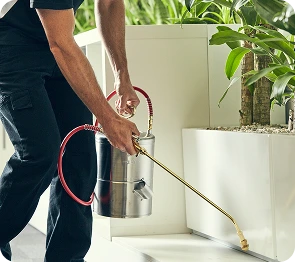
While DIY prevention measures can reduce some risks, professional pest management provides a more targeted and comprehensive approach to winter pest prevention.
Different homes, regions, and environmental conditions require different treatment strategies.
Professional pest management teams can help identify:
Hidden pest activity
Structural vulnerabilities
Moisture risks
Seasonal pest trends
Entry points specific to your property
This allows homeowners to implement more effective long-term preventative pest measures.
What to Expect From Professional Pest Management
Professional winter pest control services typically include:
Consultation
Understanding the property type, environmental conditions, and current concerns.
Inspection
Identifying high-risk areas, pest activity, structural vulnerabilities, and moisture conditions.
Tailored Treatment
Applying targeted treatment strategies based on the home structure and pest risks present.
Future Monitoring
Providing ongoing monitoring and preventative recommendations to reduce recurring winter infestations.
Because every property differs, tailored pest management strategies often deliver more effective long-term results than generic seasonal treatments.
Winter often increases indoor pest activity
As rodents, cockroaches, spiders, ants, and termites search for warmer and more protected environments, winter often increases indoor pest activity. Without proactive prevention, small seasonal pest problems can quickly develop into larger infestations that affect hygiene, indoor comfort, and structural conditions.
Pest‑proofing homes before winter helps reduce these risks by addressing hidden vulnerabilities early. From sealing entry points and reducing moisture to understanding how different house structures influence pest behaviour, proactive winter pest prevention supports cleaner, safer, and healthier homes throughout the colder months.
Whether you live in an older timber property, a modern brick home, an apartment complex, or a rural building, understanding seasonal pest risks allows you to take smarter preventative action before winter infestations become established indoors.
We acknowledge the Traditional Custodians of Country throughout Australia and their connections to land, sea, and community.
We pay our respect to their Elders past and present and extend that respect to all Aboriginal and Torres Strait Islander peoples today.