Send us a message and one of our specialists pest managers will be in touch
Why Follow-Up Visits Matter After Pest Control
September 30, 2026
Many people believe that one pest treatment will solve every pest problem. While this may be true for some situations, many pests have life cycles and hiding places that make long-term management more effective than a single visit. Professional pest management is not only about removing pests today. It is also about preventing them from […]
Many people believe that one pest treatment will solve every pest problem. While this may be true for some situations, many pests have life cycles and hiding places that make long-term management more effective than a single visit.
Professional pest management is not only about removing pests today. It is also about preventing them from returning tomorrow. That is why follow-up visits are often an important part of protecting homes and businesses.
These visits allow pest control technicians to confirm that treatments are working, monitor pest activity and recommend additional prevention measures when needed.
Why One Visit Isn’t Always Enough
Every pest behaves differently.
Some pests hide deep inside walls, roof spaces or underground, making them difficult to eliminate during one treatment. Others may leave behind eggs that hatch days or weeks later, depending on the species.
Seasonal conditions can also affect pest activity. Warmer weather, rainfall and changes in food availability may encourage pests to move into different parts of a property after the initial treatment.
Because of these factors, follow-up inspections help ensure that pest activity continues to decline rather than returning unexpectedly.
What Happens During a Follow-Up Visit?
A follow-up visit is much more than repeating the same treatment.
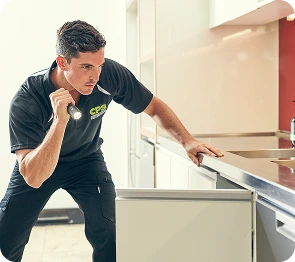
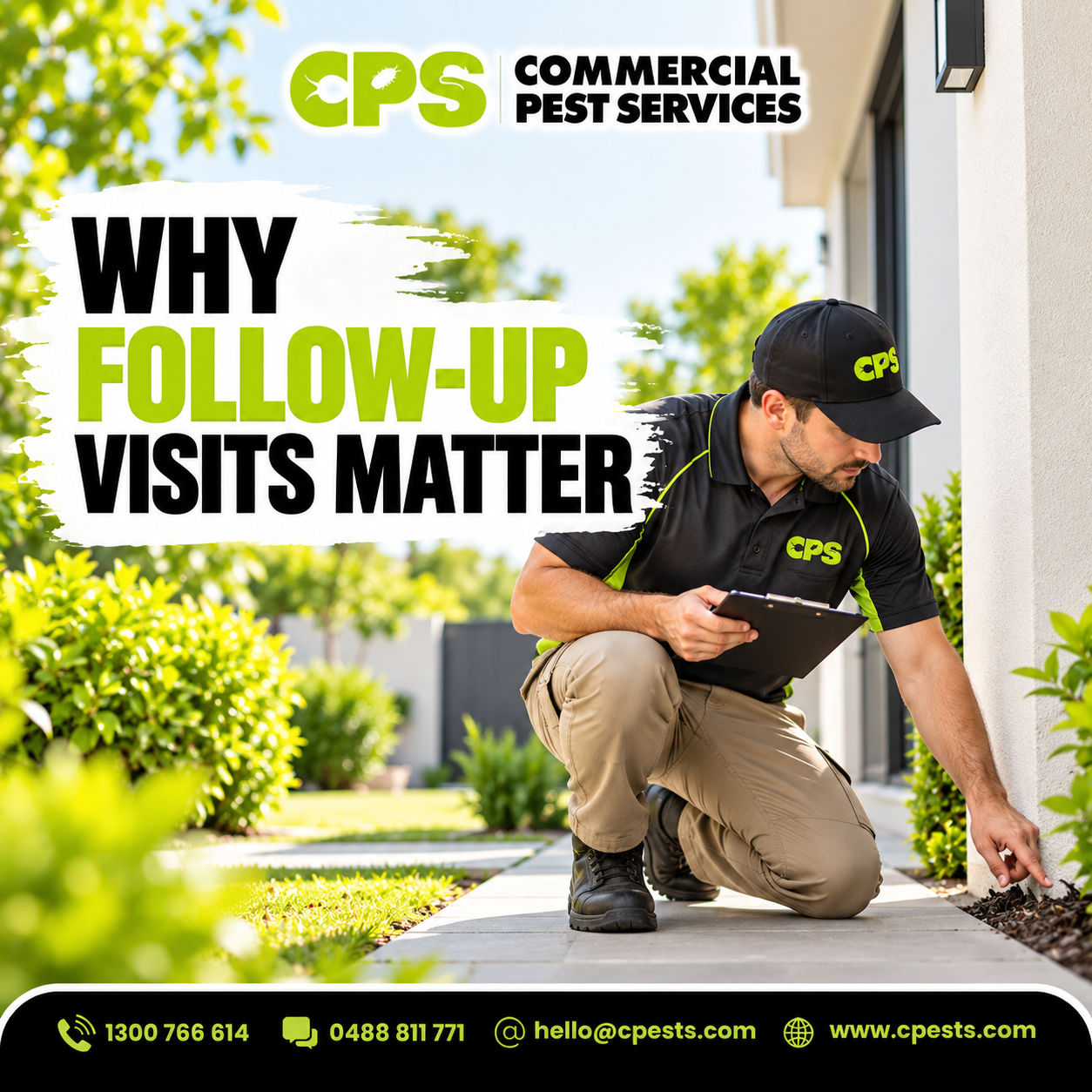
First, the technician reinspects areas where pest activity was previously found. They look for signs such as droppings, nesting materials, fresh damage or new pest sightings.
If monitoring stations or bait systems are in place, they check whether pests are still active and replace or adjust equipment when necessary.
The technician may also inspect new entry points that have appeared since the last visit. Small gaps around doors, plumbing or roofing can allow pests to re-enter if they remain unsealed.
Finally, they provide updated recommendations that help reduce future pest risks around the property.
The Benefits of Follow-Up Visits
Regular follow-up visits offer several long-term benefits.
They allow pest problems to be identified before they become larger infestations. They also help measure whether treatments have been successful and whether any adjustments are needed.
For homeowners, this means greater peace of mind and better protection for the property. For businesses, routine follow-ups help support food safety, workplace hygiene and a consistent pest management program.
Instead of reacting to pest problems after they appear, follow-up visits encourage a preventive approach that saves both time and money.
When Are Follow-Up Visits Most Important?
Some pest problems benefit from closer monitoring than others.
Rodents may continue entering through unnoticed gaps around a building. Cockroaches often remain hidden until their population increases again. Termites require regular inspections because they can cause damage long before visible signs appear.
Commercial properties, including restaurants, healthcare facilities, schools and warehouses, also benefit from scheduled follow-up visits. Ongoing monitoring helps maintain compliance standards while reducing operational risks.
Even homeowners without a current infestation can benefit from periodic inspections, especially if their property has experienced pest problems before.
Prevention Doesn’t End After Treatment
Successful pest management is a process rather than a single event.
A professional treatment removes current pest activity, but follow-up visits help confirm that the problem has been resolved while reducing the chance of future infestations. Combined with good housekeeping and regular property maintenance, ongoing inspections provide stronger, longer-lasting protection.
Whether you own a family home or manage a commercial property, follow-up visits are an investment in long-term pest prevention. They help detect problems early, improve treatment outcomes and keep your property protected.
We acknowledge the Traditional Custodians of Country throughout Australia and their connections to land, sea, and community.
We pay our respect to their Elders past and present and extend that respect to all Aboriginal and Torres Strait Islander peoples today.