Send us a message and one of our specialists pest managers will be in touch
Preventing Silverfish in Bathrooms
September 29, 2026
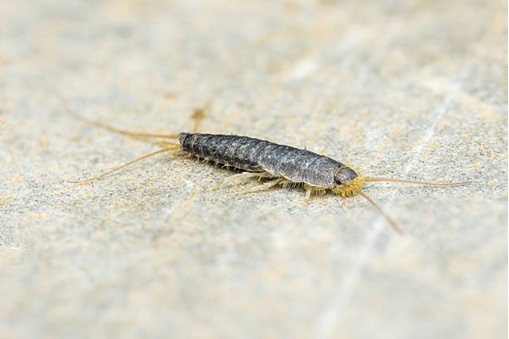
Finding a silverfish in your bathroom can be surprising. These small, fast-moving insects often appear at night and quickly disappear into cracks or dark corners. While they do not bite people or spread diseases, they can become an ongoing nuisance if the conditions inside your home allow them to thrive. Bathrooms are one of the […]
Finding a silverfish in your bathroom can be surprising. These small, fast-moving insects often appear at night and quickly disappear into cracks or dark corners. While they do not bite people or spread diseases, they can become an ongoing nuisance if the conditions inside your home allow them to thrive.
Bathrooms are one of the most common places to find silverfish. They provide exactly what these pests need; moisture, warmth and shelter. The good news is that a few simple changes can make your bathroom much less attractive to them.
By understanding why silverfish appear and where they hide, you can prevent them before they become a larger problem.
Why Do Silverfish Like Bathrooms?
Silverfish prefer humid environments with little disturbance.
Bathrooms naturally produce steam from showers and baths, while poor ventilation allows moisture to remain in the air. Leaking taps, damp cupboards and condensation around pipes also create ideal conditions for silverfish to survive.
Unlike many other household pests, silverfish do not need leftover food to stay active. Instead, they are attracted to moisture and can feed on materials containing starches or cellulose, such as paper, cardboard, glue, shampoo labels and even tiny amounts of soap residue.
For this reason, simply keeping your bathroom clean may not be enough if excess moisture remains.
Where Should You Check for Silverfish?
Silverfish are excellent at staying out of sight during the day. If you know where to look, you may spot early signs before their numbers increase.
Under Bathroom Cabinets
The space beneath bathroom vanities often stays dark and humid. Leaking pipes or trapped condensation can make these areas particularly attractive.
Around Plumbing and Pipes
Inspect areas where pipes enter walls or floors. Small gaps not only provide hiding places but also allow silverfish to move between rooms.
Behind Tiles and Skirting Boards
Loose tiles, cracked grout and gaps along skirting boards create sheltered spaces where silverfish can hide during daylight hours.
Inside Storage Cupboards
Bathrooms sometimes become convenient places to store spare toilet paper, tissues, books or cardboard packaging. These materials provide additional food sources for silverfish if they become damp.
How Can You Make Your Bathroom Less Attractive?
The best way to prevent silverfish is to reduce moisture.
Open windows after showering whenever possible or use an exhaust fan to improve ventilation. Repair leaking taps, pipes and shower fittings as soon as they are noticed. Dry wet surfaces regularly and avoid leaving damp towels on the floor for long periods.
You should also organise storage areas and avoid keeping unnecessary paper products or cardboard boxes in bathrooms. Sealing small cracks around pipes, skirting boards and tiles can further reduce places where silverfish hide.
These simple maintenance habits support long-term residential pest prevention while also helping to reduce mould and mildew.
When Should You Be Concerned?
Occasionally seeing a single silverfish does not always mean you have an infestation. However, frequent sightings may suggest that conditions inside your home are encouraging them to breed.
If you begin finding silverfish in several rooms, notice damage to paper items or continue seeing them despite improving moisture control, it may be time for a professional pest inspection.
A qualified pest control technician can identify hidden harbourage areas, locate moisture issues and recommend targeted pest management solutions that address the cause rather than only treating visible insects.
A Dry Bathroom Is Your Best Defence
Silverfish may be common in Australian homes, but they are also one of the easier pests to discourage.
We acknowledge the Traditional Custodians of Country throughout Australia and their connections to land, sea, and community.
We pay our respect to their Elders past and present and extend that respect to all Aboriginal and Torres Strait Islander peoples today.