Send us a message and one of our specialists pest managers will be in touch
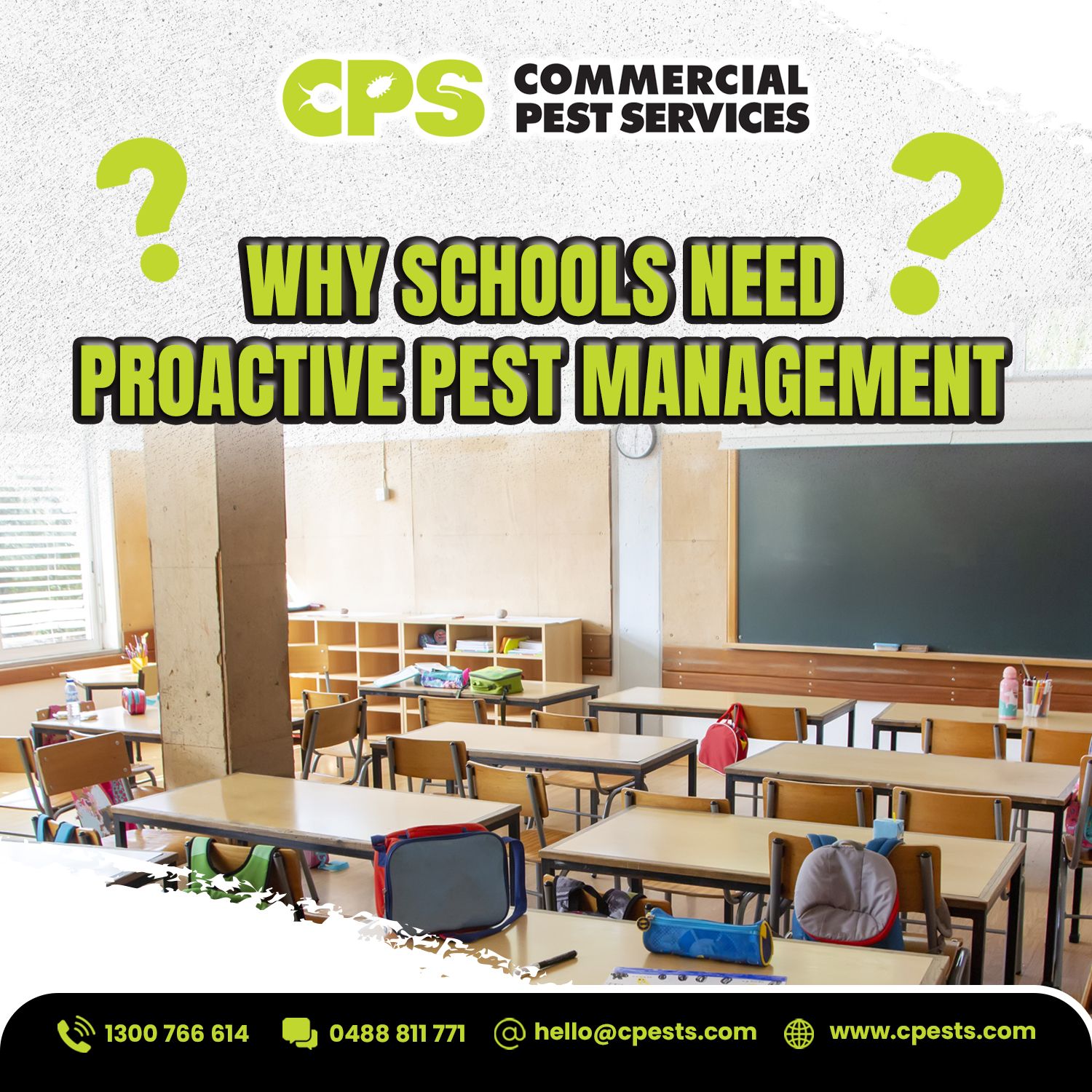
Why Schools Need Proactive Pest Management
August 25, 2026
Schools are designed to support learning, development, and wellbeing. Every day, students, teachers, and staff share classrooms, playgrounds, cafeterias, and common areas. Because of this constant activity, schools can face unique pest risks throughout the year. Many schools only address pest issues after visible activity appears. However, by the time pests become noticeable, the problem may […]
Schools are designed to support learning, development, and wellbeing. Every day, students, teachers, and staff share classrooms, playgrounds, cafeterias, and common areas. Because of this constant activity, schools can face unique pest risks throughout the year.
Many schools only address pest issues after visible activity appears. However, by the time pests become noticeable, the problem may already be growing behind the scenes.
That is why proactive pest management plays an important role in creating safe and comfortable learning environments.
Why Schools Can Attract Pests
Schools naturally provide many of the conditions that pests seek.
Food consumption takes place in cafeterias, lunch areas, and classrooms. Waste bins collect food scraps throughout the day. Outdoor sporting fields, gardens, and landscaped areas can also attract various pests.
In addition, storage rooms, maintenance areas, and roof spaces may provide shelter opportunities.
Common pests found around educational facilities include:
Ants
Cockroaches
Rodents
Wasps
Birds
While these pests may seem like minor concerns at first, they can create larger issues if left unmanaged.
Pest Activity Can Affect Student and Staff Wellbeing
A positive learning environment requires comfort and confidence.
Visible pest activity can cause concern among students, staff, and parents. In some situations, pests may contaminate food preparation areas, damage property, or create hygiene concerns.
For example, rodents may leave droppings in storage areas, while wasps can create risks around outdoor recreational spaces.
Preventing these issues helps schools maintain environments where students can focus on learning.
Pest Problems Can Disrupt Daily Operations
Pest issues often affect more than the areas where activity occurs.
A pest sighting in a cafeteria may require additional inspections. Bird nesting around buildings may impact outdoor activities. Rodents can damage cables, insulation, and stored materials.
As a result, schools may need to dedicate time and resources to resolving problems that could have been prevented earlier.
This is why prevention often proves more effective than emergency responses.
Why Prevention Matters More Than Treatment
Schools operate on busy schedules. When pests appear unexpectedly, treatments may need to be arranged around classes, events, and student activities.
A proactive pest management program focuses on reducing risks before they escalate. Regular inspections can identify early signs of pest activity. Monitoring helps track trends over time.
This approach supports long-term protection while reducing disruptions.
What Proactive Pest Management Looks Like
Effective school pest management follows a simple process.
First, inspections identify potential risks throughout the property.
Next, targeted treatments address existing concerns when necessary.
Finally, monitoring and reporting help schools maintain ongoing protection.
At CPS, we understand that every educational facility operates differently. Our technicians assess each environment individually and recommend solutions that align with the facility’s needs.
Students deserve safe, comfortable, and distraction-free spaces to learn.
Likewise, teachers and staff deserve confidence that their workplace remains protected.
Proactive pest management supports these goals by focusing on prevention, monitoring, and long-term protection rather than waiting for visible infestations.
At CPS, we believe prevention is one of the most valuable investments a school can make.
We are committed to providing services that are effective, transparent, and easy to understand.
Book an inspection now with CPS today to arrange a professional inspection and tailored treatment plan.
We acknowledge the Traditional Custodians of Country throughout Australia and their connections to land, sea, and community.
We pay our respect to their Elders past and present and extend that respect to all Aboriginal and Torres Strait Islander peoples today.