Send us a message and one of our specialists pest managers will be in touch
Non-Toxic Pest and Ant Control for Healthcare Facilities Without Compromising Patient Safety
May 18, 2026
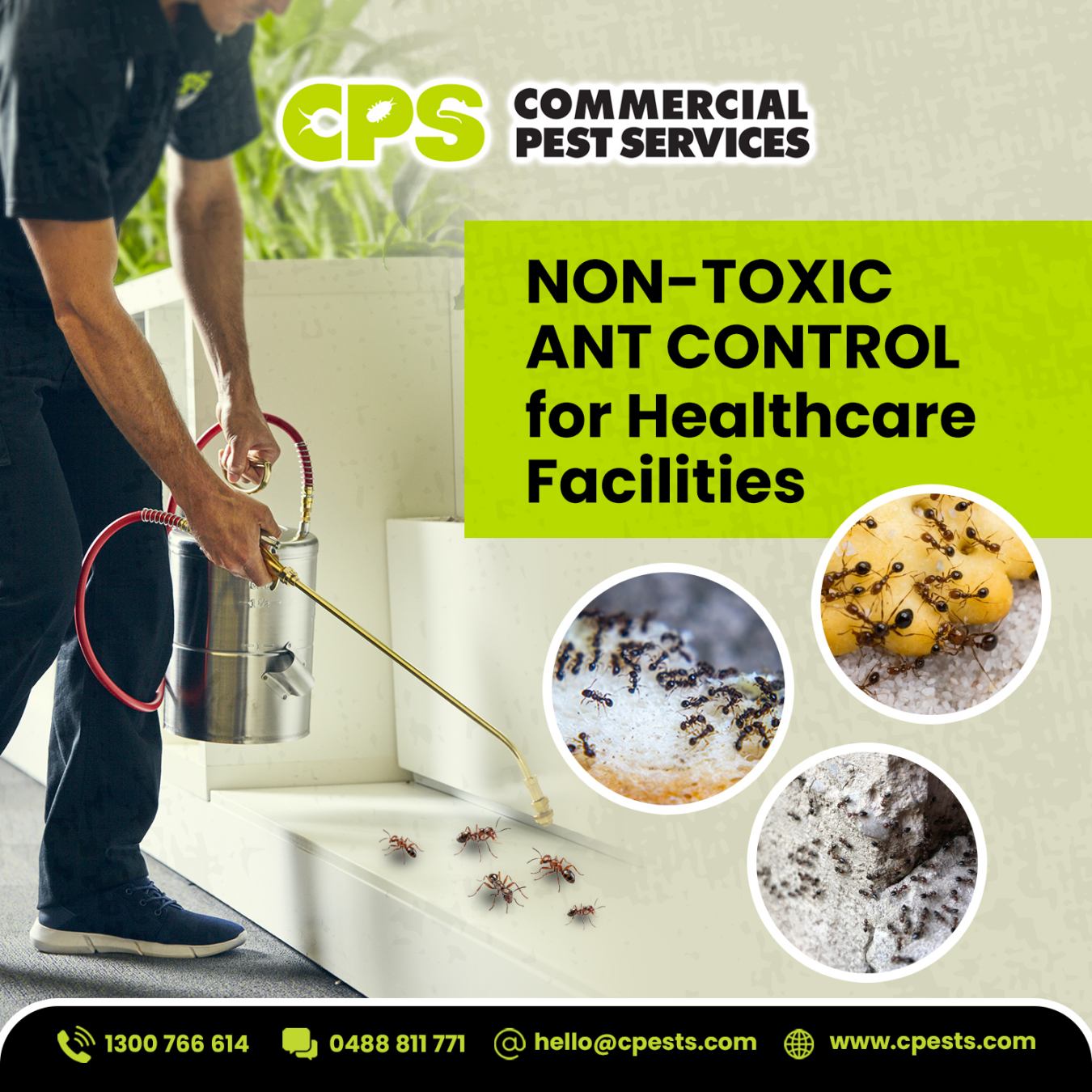
Ant infestations in healthcare facilities pose serious risks to patient safety and compliance. These pests can contaminate sterile environments, food, and medical equipment, leading to increased infection risks and regulatory challenges. Effective pest and ant control methods are essential to eliminate infestations and prevent future outbreaks. Professional pest control using non-toxic formulations ensures your facility remains safe and hygienic. […]
Ant infestations in healthcare facilities pose serious risks to patient safety and compliance. These pests can contaminate sterile environments, food, and medical equipment, leading to increased infection risks and regulatory challenges.
Effective pest and ant control methods are essential to eliminate infestations and prevent future outbreaks. Professional pest control using non-toxic formulations ensures your facility remains safe and hygienic. With many ant species present in Australia, each requires a tailored approach for effective management and lasting results.
Introduction to Ant Infestations in Healthcare Facilities
Ant infestations in healthcare facilities pose serious risks to patient health and safety.
Common ants like coastal brown ants and black house ants contaminate food, medical tools, and sterile surfaces.
This contamination increases infection risks and regulatory issues.
Effective pest and ant control is essential to maintain hygiene and safety standards.
Regular security service and monitoring catch early signs of ant activity.
Understanding ant entry and behavior helps prevent infestations.
Proactive ant control protects patients, staff, and keeps healthcare environments compliant and secure.
Understanding Ant Species in Healthcare Environments
Accurate ant species identification is key for effective pest and ant control in healthcare. Different ants like carpenter ants, pharaoh’s ants, and black house ants have unique:
Nesting habits (e.g., carpenter ants nest in wood and can cause structural damage)
Feeding preferences
Behaviors and chemical signals
Our trained pest control technicians:
Recognize these patterns and what attracts each species
Develop targeted, safe, and effective treatment plans
Address the root cause to reduce contamination and protect your facility’s structure
Identifying Ant Infestations: Signs and Risks for Healthcare Staff
Common signs include visible ant trails along skirting boards and window sills, the presence of ant nests in wall cavities or roof voids. Increased ant activity in food preparation areas or around rubbish bins can indicate a developing infestation.
They can contaminate food, medical equipment, and surfaces, posing health risks to patients and staff. In some cases, ant infestations may also trigger allergies or asthma.
Finally, Professional Pest Control Built for Healthcare Environments
Healthcare supervisors face a unique challenge: effective ant control often involves chemicals that conflict with patient safety.
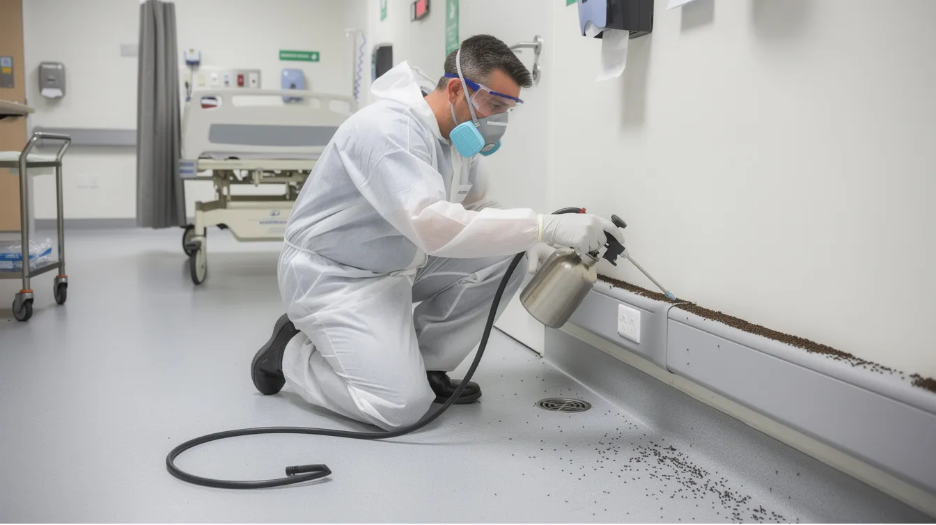
Our non-toxic ant control systems reduce ant activity by 95% within three weeks while meeting Joint Commission Environment of Care standards and CDC infection control protocols. Licensed pest control technicians, trained in hospital-grade hygiene, deliver treatments that protect patients, satisfy regulators, and eliminate entire colonies without harmful residues.
Why CPS Non-Toxic Ant Control Works Against Ant Infestations in Healthcare Settings
Here’s what makes our approach effective for sensitive areas:
Targeted baiting systems – Our ant baits are like little ant magnets! Worker ants carry these slow-acting goodies back to the nest, gradually wiping out the queen and the entire colony. It takes a bit of patience, but the results are worth it, without exposing your healthcare facility to harsh chemicals.
Compliance documentation – We keep everything neat with audit-ready reports, inspection logs, and safety data sheets. When regulators come knocking, you’ll have all the proof you need that your pest control is top-notch.
Minimal disruption protocols – We know patient care comes first, so treatments happen behind the scenes. Bait stations are tucked away behind equipment and in enclosed spaces, keeping patient rooms safe and undisturbed.
Specialized healthcare training – Our pest pros are trained in the art of sterile techniques and contamination prevention. They work hand-in-hand with your infection control team to keep everything squeaky clean and ant-free.
Instead of forcing facility shutdowns or risking chemical exposure, you get a streamlined approach to ant control that integrates seamlessly wit h existing hygiene protocols.
How Our Healthcare Ant Control Process Works
Understand the specific ant species and their behaviors to target treatments effectively
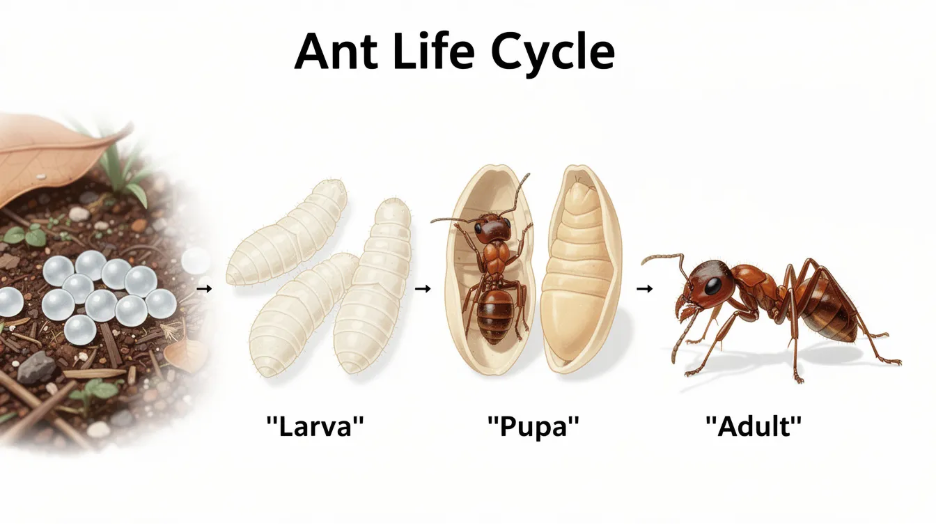
Recognize the ant life cycle stages: egg, larva, pupa, and adult, which can span six weeks to several months depending on species and environment
Time treatments strategically based on ant development for maximum impact
Employ non-toxic methods suitable for sensitive healthcare environments
Coordinate with healthcare protocols to ensure patient safety during pest control
The process is straightforward:
Step 1: Comprehensive Healthcare Risk Assessment
Our technicians conduct detailed inspections of patient care areas, food preparation zones, pharmaceutical storage, and roof voids. We identify ant species—whether coastal brown ant, ants by distinguishing features such as their compound eyes, which set them apart from similar pests like termites, and locate nesting sites in skirting boards, door frames, and wall cavities. Assessment takes 30-45 minutes with minimal disruption.
Integrated Pest Management (IPM) principles guide every treatment, focusing on long-term prevention through sealing entry points, eliminating food and water attractants, physically blocking entry into homes, and using chemical treatments only as a last resort.
Step 3: Continuous Monitoring and Compliance Reporting
Detailed documentation supports regulatory compliance. We schedule follow-up inspections aligned with infection control protocols and deliver measurable results within 14-21 days. Ongoing monitoring tracks ant activity reduction, bait uptake, and prevention effectiveness.
What Makes CPS Different for Healthcare Facilities
Most pest control companies offer generic services. We focus on healthcare-specific outcomes.
Healthcare-specific protocols – We understand OSHA, CDC, and Joint Commission requirements; treatments align with infection prevention standards
Non-toxic guarantee – Zero harmful chemical residues in patient care environments; formulations meet minimum-risk pesticide standards
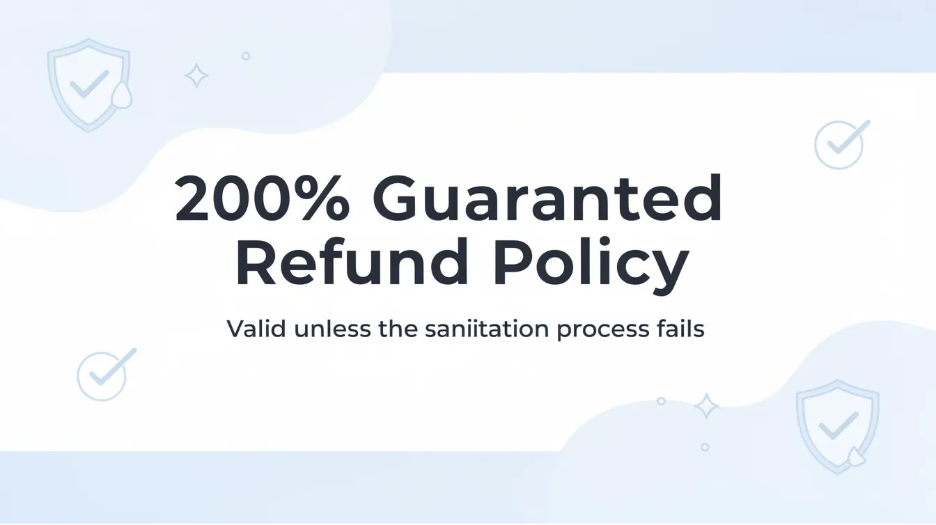
200% service guarantee – Complete satisfaction or we return to re-treat at no cost
Infection control compliance – All technicians follow sterile techniques; treatments coordinate with your IPC team
Using professional pest control services prevents the health risks associated with ant infestations, as ants can contaminate food and spread pathogens—critical concerns in healthcare environments.
Proven Results in Healthcare Environments
“After struggling with pharaoh ant problems in our cafeteria for months, CPS eliminated the infestation within three weeks. The documentation they provided made our Joint Commission survey seamless.” — Facility Manager, Regional Medical Center
“We needed non-toxic solutions that wouldn’t risk our elderly residents’ health. CPS delivered exactly that—effective outcome with complete peace of mind.” — Administrator, Sunrise Nursing Home
The white footed house ant is another common pest in healthcare environments, often nesting in wall cavities and subfloor areas and particularly attracted to sweet foods.
Case study metrics: Multi-unit healthcare facility achieved 95% ant reduction within 21 days using targeted baiting method with zero treatment-related incidents reported.
Who Our Healthcare Ant Control Serves
CPS healthcare programs serve:
Hospital facility managers dealing with kitchen ant problems and window sills infestations
Nursing home administrators requiring non-toxic solutions for resident safety
Medical clinic supervisors facing ant activity in break rooms where pet food bowls and sweet foods attract ants
Healthcare facility directors needing audit-ready pest control documentation
If you want effective solutions that maintain compliance and protect vulnerable populations, this service was built for you.
Healthcare Pest Control Programs
Essential Healthcare Plan – For Smaller Clinics
Perfect for medical offices and small clinics. Includes quarterly inspections, non-toxic treatments, and basic compliance documentation. Mechanical methods like sealing entry points in door frames and windows are included for long-term control.
Comprehensive Healthcare Plan – For Hospitals and Large Facilities
Designed for multi-unit healthcare facilities with large colonies and complex nesting sites. Monthly monitoring with emergency response within 4 hours. Full regulatory compliance documentation and staff training on preventative measures.
Critical Care Plan – For Intensive Care and Surgical Units
Ultra-sensitive environment protocols for ICUs and operating rooms. Real-time monitoring systems and immediate response capability. Dedicated account manager with customized reporting.
Frequently Asked Questions
Are your treatments safe around immunocompromised patients?
Absolutely. Our formulations use EPA minimum-risk active ingredients with low volatility and minimal residue. Diatomaceous earth and targeted baits eliminate ants through dehydration and slow-acting compounds, not airborne chemicals.
How do you maintain infection control standards during treatment?
Technicians follow sterile techniques, coordinate with your operation team, and apply treatments in enclosed spaces away from patient contact areas. All products meet healthcare safety standards.
What documentation do you provide for regulatory compliance?
Comprehensive reporting includes inspection records, product labels, safety data sheets, treatment maps, and follow-up verification.
How quickly can you respond to ant emergencies in patient areas?
Emergency response within 4 hours for Comprehensive and Critical Care plans. Standard service appointment scheduling available for Essential plans.
Protect Your Healthcare Facility Today
Ant infestations in patient areas can trigger regulatory scrutiny and compromise sterile environments. Don’t wait for a single ant sighting to become a compliance failure.
Schedule your healthcare facility assessment today. Our 200% service guarantee means complete satisfaction or we return at no cost.
We acknowledge the Traditional Custodians of Country throughout Australia and their connections to land, sea, and community.
We pay our respect to their Elders past and present and extend that respect to all Aboriginal and Torres Strait Islander peoples today.