Unfortunately, ants are one of the most common and also most difficult pests to rid your home of. A colony of ants can actually cause a lot of damage as well. And while some types of ants may be nothing more than a nuisance, others could contaminate your food or even cause painful bites.
As soon as the weather starts to heat up, and particularly after a warm rainy day, ants decide that indoors is a good place to be. Fortunately, there are a lot of easy and effective methods for preventing ants form entering your home.
It is important to know what kind of ants you have in your house. So make sure to find out which ant species you have.
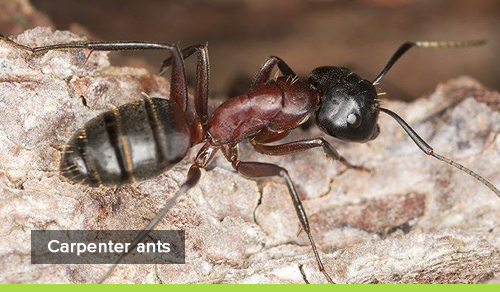
Carpenter ants
Carpenter ants are on of the most common ants and their bodies are generally dark brown or black. Carpenter ants are ones to be most concerned about as they they can get into the structural timbers of the house and actually cause damage. They like to nest in soft wood that is decaying from moisture, so if you can find the nest, the most effective way to get rid of them is just to remove the wood they’re nesting in.
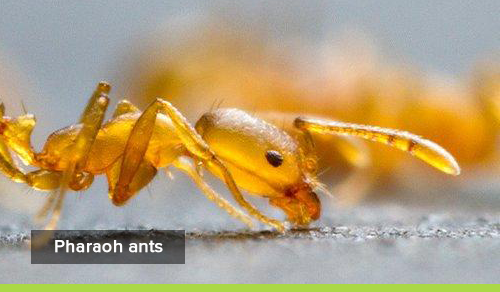
Pharaoh ants
Pharaoh ants have light yellow bodies with red and black markings on the abdomen. They will nest in well-protected and hidden areas throughout a structure, but they can also nest outdoors in lawns or gardens in warm climates. Infestations commonly occur in food service areas.
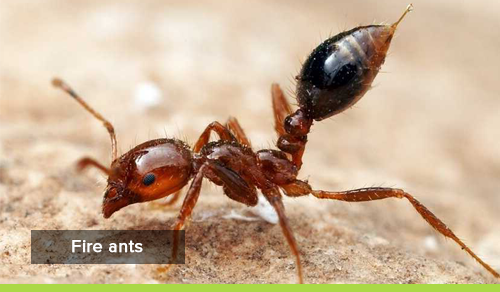
Fire ants
Fire ants are omnivores, meaning they will feed on animal or vegetable sources of food. Fire ants are sensitive to vibration or movement and tend to sting when the object they are on moves. Because fire ants can be sometimes a danger to humans and pets, it is a good idea to consult with professionals regarding ways to control them.
Here are some ways you can get rid of ants and/or prevent an ant infestation in your home:
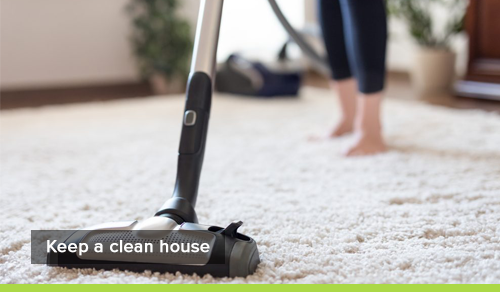
Keep a clean house
Keep ants away by regularly sweeping the floor, cleaning countertops, and vacuuming around the house. Leftover food and dirty dishes left around the house are an instant attractant to ants. By cleaning regularly, you’ll make it harder for them to find what they’re looking for (food & water sources). Make sure to take out and replace trash cans regularly.
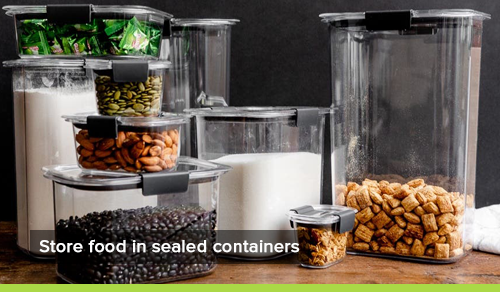
Store food in sealed containers
Use air-tight containers or jars to store your food. Restricting access to food sources means that ants won’t be able to gain access and will steer away any other pests who may be looking for a food source at the same time. Don’t leave out any pet food, put it away so ants can’t get to it.
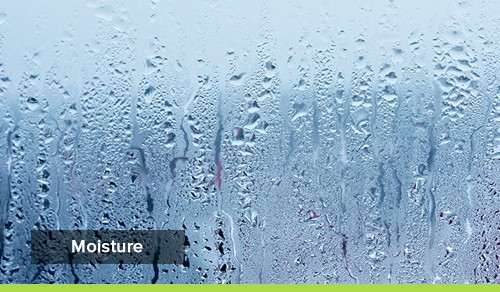
Moisture
Clean up any water spillages immediately. Ants not only enter your home in search of food but also for water supply. Make sure to wipe away any water spills or even fix pipe leaks around your house.
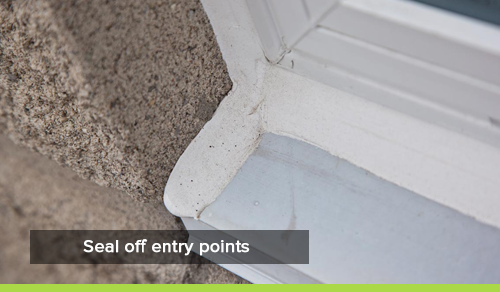
Seal off entry points
Seal and/or repair ant entry points – damaged or missing window or door screens, gaps or holes in flooring, around baseboards, doors, windows, broken or missing vents, and around plumbing. Apply caulk to crevices around door frames and windows that the ants are using to get inside. Inspect both the inside and outside of your property.
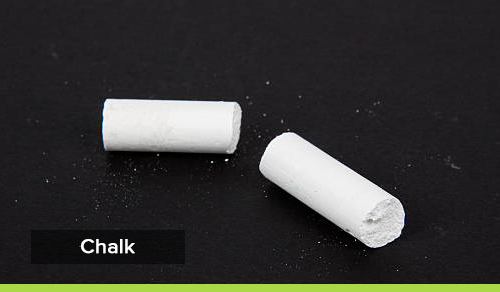
Chalk
Chalk contains calcium carbonate, which helps in keeping ants away. Spray some powdered chalk in the areas that are the entry points of ants or draw a line of chalk at the entrance.
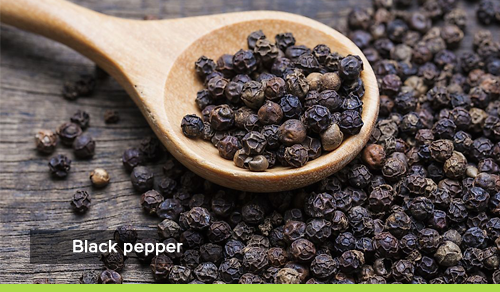
Black pepper
Black or red (cayenne) pepper is a natural deterrent, as the insects appear to find the smell irritating. You can also make a solution of pepper and water and spray it near the entrant areas. The pepper wouldn’t kill the ants but definitely deter them from returning to your house.
Salt
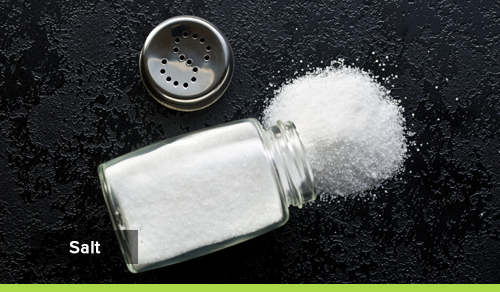
Salt has a drying out effect on ants, and this is especially true if they take it back to their nest. You can spread salt near windows, and doors and along the walls of your home. While the salt won’t kill the ants, they will avoid it.
Boiling water
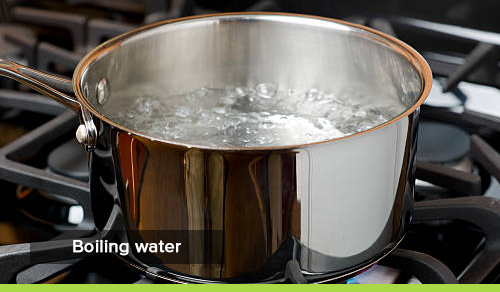
You can pour boiling water into ant holes near your home, effectively and immediately killing many of the ants inside. However, the boiling water won’t be enough to kill off the entire colony. Anthills may appear small, but the ant colonies underneath them are vast.
White vinegar
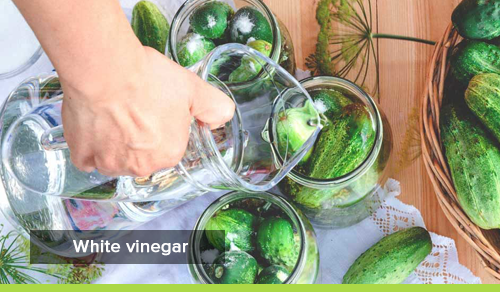
White vinegar is a cheap and effective way to kill and repel ants. It is also a natural cleaning agent. Use a 1 part vinegar, 1 part water mixture and apply to any areas ants are crawling. This will disrupt their pheromone trails making it harder for them to return to the water/food source.
Erase ant trails
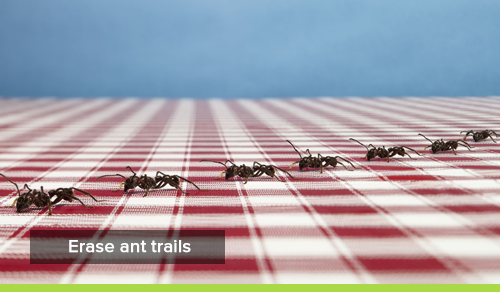
If you see one ant, it’s most likely there are a lot more near by. Ants leave a scented trail that other ants follow. Sweeping or mopping isn’t enough to eliminate the scent trails. Mix 1 part vinegar with 3 parts water in a spray bottle then spray wherever you’ve seen ants in the past. This will stop outdoor nesting ants that entered the house to forage for food but won’t stop indoor nesting ants.
Determine the Best Ant Baits:
The ants you see are scout ants, foraging for food to take back to the colony. Use these scouts to wipe out the entire colony. Put bait in areas you’ve previously seen them. Ants’ tastes change throughout the year. They usually prefer protein in the spring and sweets or fatty/oily foods in the summer. Find out which food attracts them by setting out sugar or honey, fried food and peanut butter. Use whichever food they prefer to mix with toxic bait.
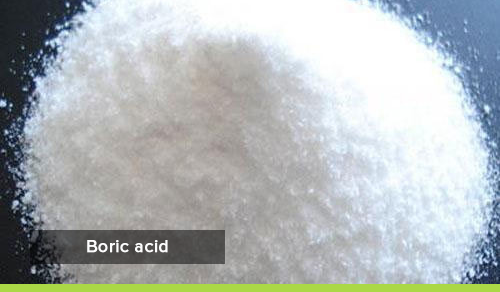
Boric acid
Boric acid, as a slow-acting poison, is an effective ingredient in ant bait. The worker ants will consume it when it’s mixed with a tasty food and carry it back to the ant colony to share, killing many ants at once. Make sure to put on safety gloves and keep it away from children and pets.
Make a solution of 1/2 teaspoon boric acid, 8 teaspoons sugar, and 1 cup warm water. Stir until dissolved. Saturate cotton balls and place them around your home in areas where you usually see ants. After use, wash containers thoroughly or discard.
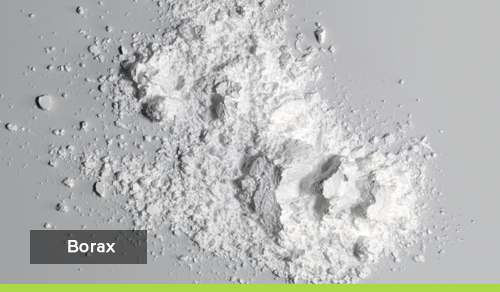
Borax
Mix Borax with some sugar and make a solution out of a little bit of water, then take that solution and put it in the places around the house that you have seen ants.
The sugar will attract ants as they look for food, while the Borax acts as an abrasive and scratches the ants, which leads to dehydration and death. Also like boric acid the ants will take the solution back to their nest killing them off too.
If you have a huge ant invasion, it can be hard to control them yourself. CPS are trained to find ant nests that are inside the walls of your home. We can help eliminate any ant infestations and prevent these pesky pests from returning.