Send us a message and one of our specialists pest managers will be in touch
What chemicals are best for pest control?
November 9, 2020
There are many pest control chemicals available, from over-the-counter solutions to specialist sprays. However, using the wrong substances can make a pest problem worse.
There are many pest control chemicals available, from over-the-counter solutions to specialist sprays, therefore choosing the right chemicals can pose a challenge because the best option depends on your specific needs. Using the wrong substances could make a tricky situation much worse. If you fail to identify a species accurately, there is a chance your chemicals will not work, and proper identification helps control pests effectively.
Pesticides are chemicals designed to kill or harm pests. They include insecticides used for insect control, herbicides used for weed control, fungicides used for fungi and mold control, and rodenticides used for rodent control. Household pests often include common pests such as insects and rodents, as well as other pests found around homes and gardens.
When controlling pest infestation on a large-scale, chemical pest control is often used to protect crops and reduce labour demands for farmers.
However, one of the major ills of this method of pest control is that a pest may develop resistance and then passes on the genetic trait to the younger generation. When this happens, there will be a need for a higher concentration of the chemical, which is more dangerous to the environment due to pest resistance, ongoing development, environmental impact, contamination, damage to soil, and disruption to ecosystems.
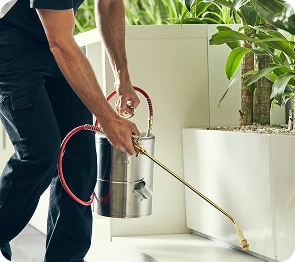
Household pesticides can be purchased from supermarkets or hardware stores, and are designed for householders to use around their home or garden. Although you can easily obtain household pesticides, this does not mean that they are harmless. They are toxic and if used carelessly, they may affect the health of the user, their family, kids, pets, or the environment, and some products can be harmful.
So what chemicals are best to use for chemical pest control?
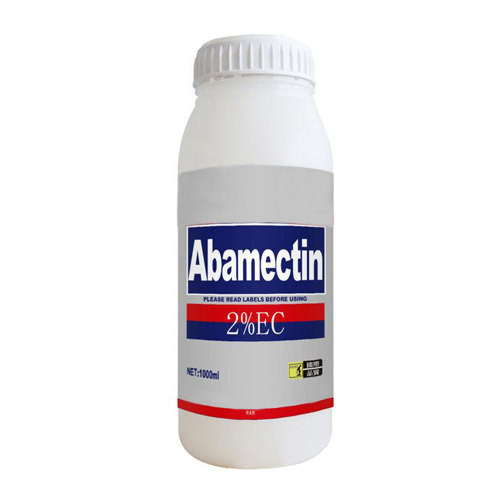
Abamectin
The active ingredient Abamectin is a mixture of nerve poisons known as avermectins. These poisons help manage pest populations by affecting the central nervous system and causing insect paralysis, which leads to death. However, abamectin is a delayed-action insecticide, so it does not kill immediately. The benefit of delayed-action insecticides, used in chemical control when quick knockdown is not the goal, as compared to those that kill instantly is that the poisoned insect is allowed time to travel back to the colony and spread the poison to other insects either through contact or food sharing (ingestion).
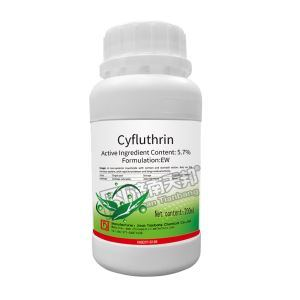
Cyfluthrin
Cyfluthrin is a synthetic pyrethroid, which means that it is effective for longer periods of time. Cyfluthrin belongs to a class of insecticides known as synthetic pyrethroids. Synthetic pyrethroids are man-made insecticides created to mimic the chemical properties of the naturally-occurring insecticide pyrethrum, which comes from the crushed petals of the Chrysanthemum flower, a source that can also appeal to buyers seeking natural products. Synthetic pyrethroids, like cyfluthrin, are often preferred to the real thing as an active ingredient because one of their key benefits is longer effectiveness before reapplication is needed, sometimes up to 3 months.
Permethrin
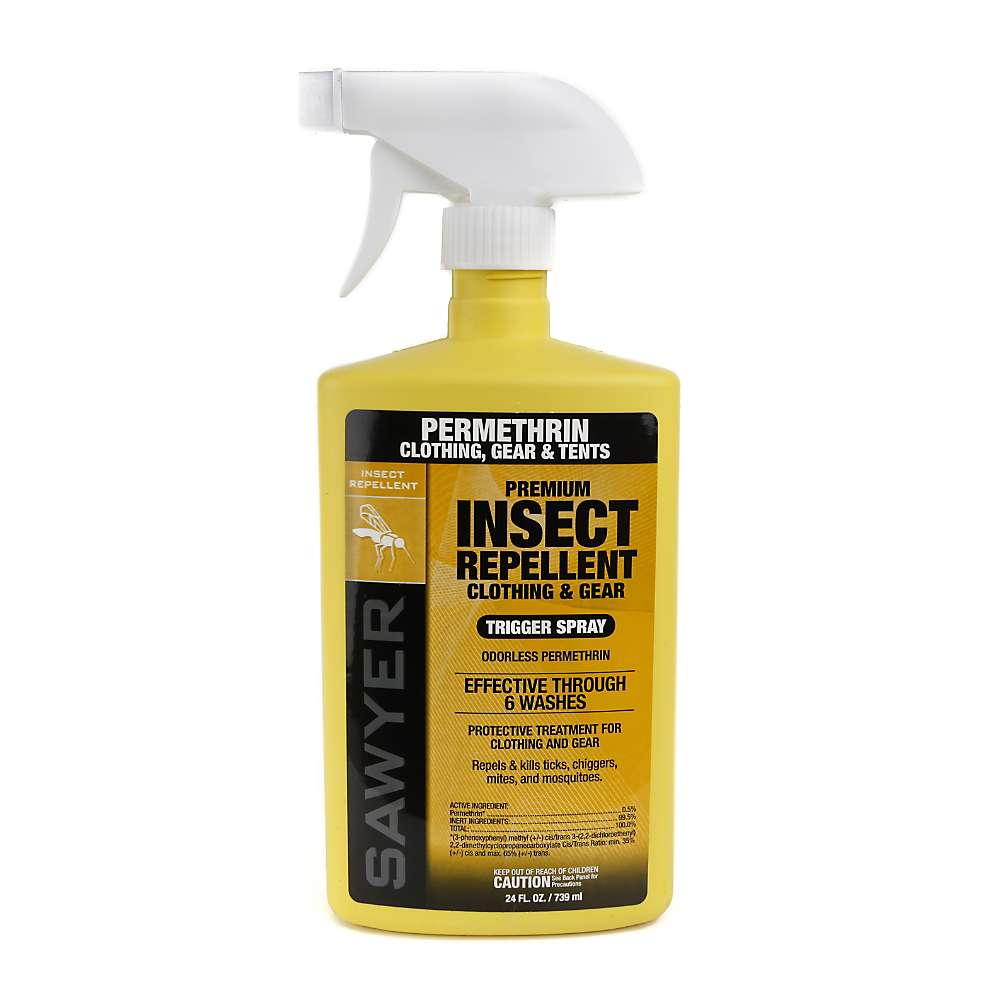
The active ingredient Permethrin can protect against a wide variety of crawling and flying pests. Permethrin is an active-ingredient insecticide used in many professional pest-control products and is common in pest control services and professional pest control services to control a wide variety of pests, including ticks, fleas, mosquitoes, bedbugs, chiggers, flies, termites, and cockroaches. Permethrin is often used as a spray-on fabric, clothing, and bed nets to repel or kill insects, though application methods vary and may include a spray bottle for smaller targeted jobs. For example, ticks confronted with a permethrin-treated pant leg will drop off before they have the chance to attach and feed. Permethrin is available in concentrates, dust, wettable powder formulations, and chemical sprays.
Boric acid
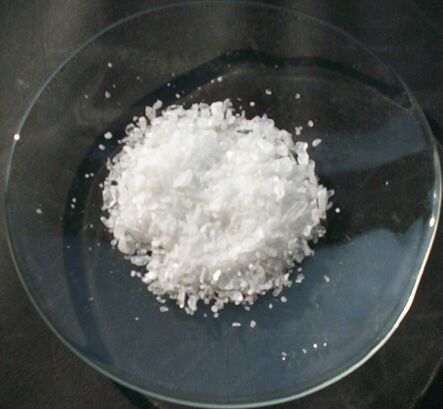
One of the most regularly used chemicals in pest control is boric acid. This substance can be taken from both rocks and water sources. It can come in multiple forms, such as powder and pellets. Boric Acid is considered a safer alternative than more hazardous synthetic chemical pesticides and many harsh chemicals. It is generally not much more toxic than ordinary table salt. While it is relatively non-toxic to people and their pets, that is one of its advantages for homes seeking more environmentally friendly options. It is absolutely fatal to cockroaches, ants, termites, silverfish, and other common household insects, though even lower-toxicity products should still be placed carefully to avoid harming beneficial insects and other beneficial organisms. Pest control companies use it, as do many homeowners, it is generally a very affordable chemical.
Hydramethylnon
Hydramethylnon is designed to act slowly but can still effectively manage pests. This chemical works best when ingested. Its main targets are ants and cockroaches. It comes in different forms such as bait, gel, and granules. Though it is generally considered less toxic to mammals, this chemical is said to be carcinogenic (possibly) to humans, as demonstrated by a study on rats, so careful handling remains essential.
Precautions to Take When Using All Pesticides
Despite the observation that some pesticides are very toxic while others are less toxic, you must be cautious when dealing with them. Within integrated pest management, even the best pest control chemicals should be used carefully and only as part of a broader strategy. All the common chemicals used in pest control are not entirely friendly to humans too. As with any chemical, if an untrained person mixes or applies the wrong amount, it can be dangerous.
Below are a few precautions you should take:
Combining chemical products with physical barriers and organic pest control methods, including biological options such as natural predators and natural pesticides, supports a more sustainable approach and can reduce reliance on chemicals.
Read the manufacturer’s instructions carefully and always use the product strictly as directed. Do not use more than the recommended amount and make sure that you follow all safety precautions.
Do not mix pesticides as you risk an unexpected and potentially dangerous chemical reaction.
Do not set traps or place baits in areas that are accessible to children, pets, or native animals.
Use the correct equipment and wear the protective clothing suggested in the manufacturer’s instructions
Do not eat, drink or smoke while using a pesticide.
Wash your hands after use.
Some pests will indeed be eradicated by pesticides, however, repeated chemical sprays can lead some to develop resistance, so rotating methods can help reduce it. This is why chemical-based pest control is always evolving to battle pest infestations. Also, be aware of the environmental effects it can cause.
Some pesticides, like space sprays, are fast-acting. They knock down the pest, then break down quickly. Other pesticides, like surface sprays and termite treatments, linger in the environment for days, weeks, or even longer after application. While most pesticides are designed to only affect the target pest, beneficial organisms and other insects or animals may sometimes be harmed, which can disrupt biodiversity.
Points to Remember
Pest control methods should be chosen carefully, so make sure you understand how to use pesticides competently and do your research. The wrong chemicals or incorrect application could cause health problems or exacerbate existing health problems, so the lead priority should always be safety for people, animals, and the environment.
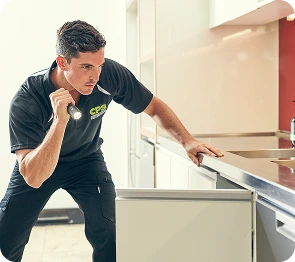
This is why, if you have a pest issue that is hard to manage, it is advised to contact pest control services so they can carry out an inspection, identify the issue, and recommend treatment suited to your specific needs.
Let us help keep you safe, call us for your pest removal needs today – phone 1300 766 614
We acknowledge the Traditional Custodians of Country throughout Australia and their connections to land, sea, and community.
We pay our respect to their Elders past and present and extend that respect to all Aboriginal and Torres Strait Islander peoples today.