Send us a message and one of our specialists pest managers will be in touch
White-Tail Spider in Melbourne
May 27, 2026
White-tail spiders are one of the most common spiders found in Melbourne.
You’re reaching into a pile of clean laundry when something moves. Or you’re pulling on a shoe you left by the back door last night. Or you’re turning back the bedsheets before getting in. If you’ve lived in Melbourne for any length of time, you’ve probably had a version of this moment, and if you saw a small, dark spider with a white spot at the end of its abdomen, you were almost certainly looking at a white-tail spider.
They’re one of the most commonly encountered spiders in Melbourne homes, especially in the cooler months. They’re also one of the most misunderstood. Here’s what you actually need to know about identifying them, how dangerous they really are, and, most importantly, how to stop finding them in your bedroom.
What Does a White-Tail Spider Look Like?
Physical identification
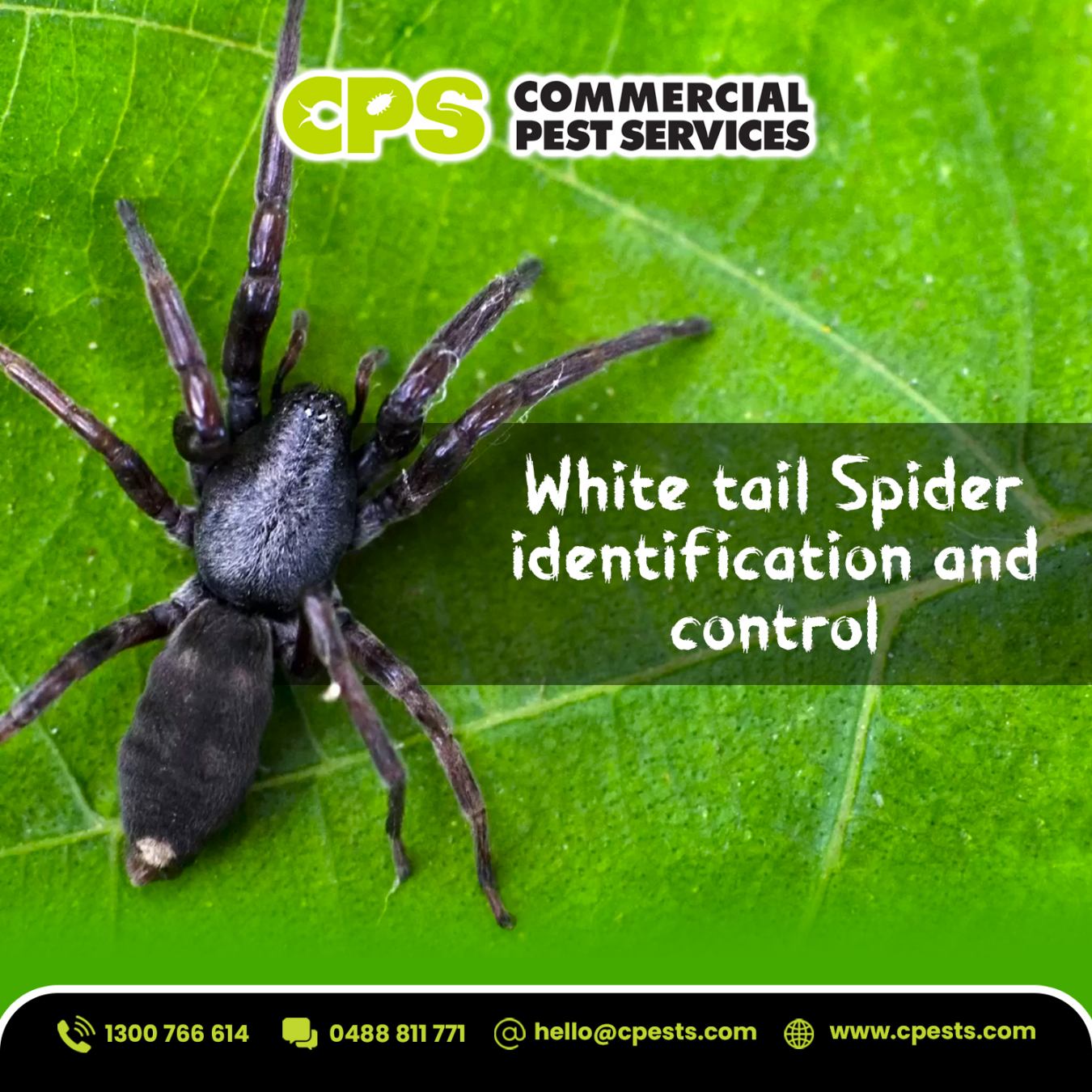
The white-tail spider is actually two closely related species common in southeastern Australia: Lampona cylindrata, found across southern Australia including Melbourne, and Lampona murina, more common along the eastern coast. Both look essentially the same to the untrained eye.
The key identifier is the white spot at the tip of the abdomen, that’s the feature that gives the spider its name, and once you know to look for it, identification is straightforward. The body is cylindrical and dark grey to charcoal black, with faint white or pale banding visible on the legs. Females are typically 12 to 20mm in body length; males are noticeably smaller at 3 to 12mm.
White-tails don’t build a web. They’re active hunters that pursue their prey, particularly other spiders, which they specialise in catching. This is important for understanding where you’ll find them: they go where other spiders are. Black house spiders are a favourite prey item, which means wherever you have a black house spider population in your home, white-tails will follow.
Feature
White-Tail Spider
Red-Back Spider (For Comparison)
Body length
12–20mm female / 3–12mm male
10–15mm female / 3–4mm male
Colour
Grey-black body, white spot at tail tip
Black body with red/orange hourglass stripe
Legs
Banded, dark reddish-brown
Fine, dark, unmarked
Web type
No web — active hunter
Irregular funnel web at ground level
Favoured habitat
Bedding, clothing, under bark, inside shoes
Under rocks, logs, outdoor furniture, eaves
Venom severity
Localised pain and redness; necrosis rare
Systemic — nausea, sweating, pain; seek care
Active period
Year-round; peak autumn–winter indoors
Spring–autumn; less active in Melbourne winter
Where White-Tail Spiders Are Found in Melbourne Homes
Seasonal movement indoors
White-tail spiders are present year-round in Melbourne, and across southern and eastern Australia, but their movement indoors becomes noticeably more frequent through autumn and into winter, which is exactly why May is the month residents are most likely to encounter them. As temperatures drop, white-tails follow their prey species into warmer interior environments and shelter in the dark, undisturbed spaces that homes provide.
Common indoor harbouring locations
This is the list that matters most for prevention. White-tails are consistently found in the same locations across Melbourne homes:
Bedding and bed linen, particularly in spare rooms or guest beds that are left undisturbed for extended periods
Clothing, especially items left on bedroom floors, draped over chairs, or stored in wardrobes without being disturbed for days or weeks
Shoes and boots left near doorways, particularly those with dark interiors that offer shelter
Behind and beneath furniture, especially sofas, bookshelves, and beds pushed against walls
Curtain folds and behind wall-mounted artwork in rooms that aren’t frequently used
Inside roof voids and subfloor spaces, where they’re active hunters of other spider species
In the garden: under bark, in leaf litter, inside temporary silk retreats, in dense ground cover, inside rolled garden hoses, and beneath pot plants
The common thread across all of these is that white-tails favour dark, enclosed, undisturbed spaces. These narrow hiding places closely mimic the sheltered spaces they use outdoors. The prevention strategy follows directly from this: reduce those spaces and disturb them more regularly.
What the research actually shows
Here’s where it’s worth being direct, because the reputation of the white-tail spider in Australian popular culture bears very little relationship to what research has demonstrated. For decades, the white-tail spider was blamed for cases of severe skin ulceration, a condition called necrotic arachnidism, but the claim was often based on supposed cases rather than direct evidence of a confirmed bite.
Evidence suggests white-tail bites are not a proven cause of skin necrosis or severe ulcerative skin lesions.
The most common symptoms were localised redness, itching, mild swelling, and initial burning pain, sometimes leaving a red mark and irritation around the bitten area, comparable to a bee sting in severity. In a small number of bite cases, patients experienced nausea or headache. None required hospitalisation.
In verified bite cases, not a single case of ulceration was found.
What to do if you’re bitten
If you’re bitten by a white-tailed spider, the recommended first-aid approach is straightforward. Clean the bite site with soap and water. Apply a cold compress to the affected area for short intervals to reduce swelling and relieve discomfort. Some bites may show visible puncture marks. Take over-the-counter pain relief if needed. Monitor the site for 24 to 48 hours.
Seek medical attention if: the pain is severe or worsening after 24 hours, you develop systemic symptoms such as nausea, sweating, or headache, the site shows signs of infection (increasing redness, warmth, discharge), you develop allergic reactions or a severe allergic reaction, or if you have any pre-existing conditions that affect your immune response or wound healing.
Most white-tail bites are mildly venomous and resolve without medical intervention. Complicated cases are almost always caused by secondary bacterial infection, which is why cleaning the wound immediately is the most important step.
White-Tail Spider Myths vs Facts
Given the spider’s reputation, it’s worth addressing the most persistent myths directly. The table below covers the four claims you’ll encounter most frequently, and what the evidence actually says.
Common Myth
What Research Actually Shows
White-tail bites always cause flesh-eating ulcers (necrotic arachnidism)
A landmark 2003 study by Isbister & Gray (79 confirmed bites) found no cases of necrotic arachnidism, and confirmed-bite research does not support skin ulcers or necrotic ulcers as expected outcomes. Reports of bites causing severe skin ulceration were widely repeated despite the lack of confirmed evidence.
The white-tail spider is one of the most dangerous spiders in Australia
Claims that white tail spiders dangerous are not supported by clinical evidence; medical classification ranks white-tail venom as low-severity, and systemic reactions are rare. Red-backs and funnel-webs pose far greater clinical risk.
You can always see a white-tail before it bites you
White-tails are nocturnal hunters. Most bites occur in bed, when dressing, or when reaching into undisturbed clothing, situations where the spider is not visible before contact.
DIY surface sprays will keep white-tails away
White-tails are active hunters that don’t sit in one place. They move through treated zones rather than resting in them. Residual sprays are less effective without habitat removal.
How to Prevent White-Tail Spiders in Your Home
Reduce harbouring conditions inside
Because white-tails shelter in dark, undisturbed spaces, the most effective prevention is environmental rather than chemical, and white tip spiders are more likely to persist where prey spiders are left unchecked. Reducing the number of places a white-tail can shelter, and disturbing those places more regularly, makes your home significantly less attractive to them.
Shake out clothing, shoes, and towels before use, especially items that have been left undisturbed overnight or longer
Keep bedroom floors clear of clothing piles. Use a laundry basket with a lid rather than a floor pile
Wash and dry bedding regularly, and shake out duvet and pillow covers before making the bed
Move furniture away from walls periodically to remove sheltered gaps that white-tails use as daytime resting sites
Vacuum regularly behind furniture, beneath beds, and in corners, not just open floor space
Store out-of-season clothing and shoes in sealed bags or containers rather than open boxes or open wardrobe shelves
When to Call a Pest Professional
DIY prevention is effective for managing background white-tailed activity. However, if you’re consistently finding white-tailed spiders indoors, multiple sightings per week, finding them in the bedroom, or discovering them in your children’s bedding, it’s a sign that the population in and around your home is beyond what a vacuuming schedule can address and that professional pest control is worth considering.
Book a Free Melbourne Spider Inspection
A CPS technician inspects your home inside and out, identifies the species present, treats active harbouring areas, and gives you a written report. Free. No obligation.
Call 1300 766 614 · Same-day Melbourne service available
4× Australian Pest Manager of the Year · 200% Money-Back Guarantee · 100% Australian Owned
We acknowledge the Traditional Custodians of Country throughout Australia and their connections to land, sea, and community.
We pay our respect to their Elders past and present and extend that respect to all Aboriginal and Torres Strait Islander peoples today.