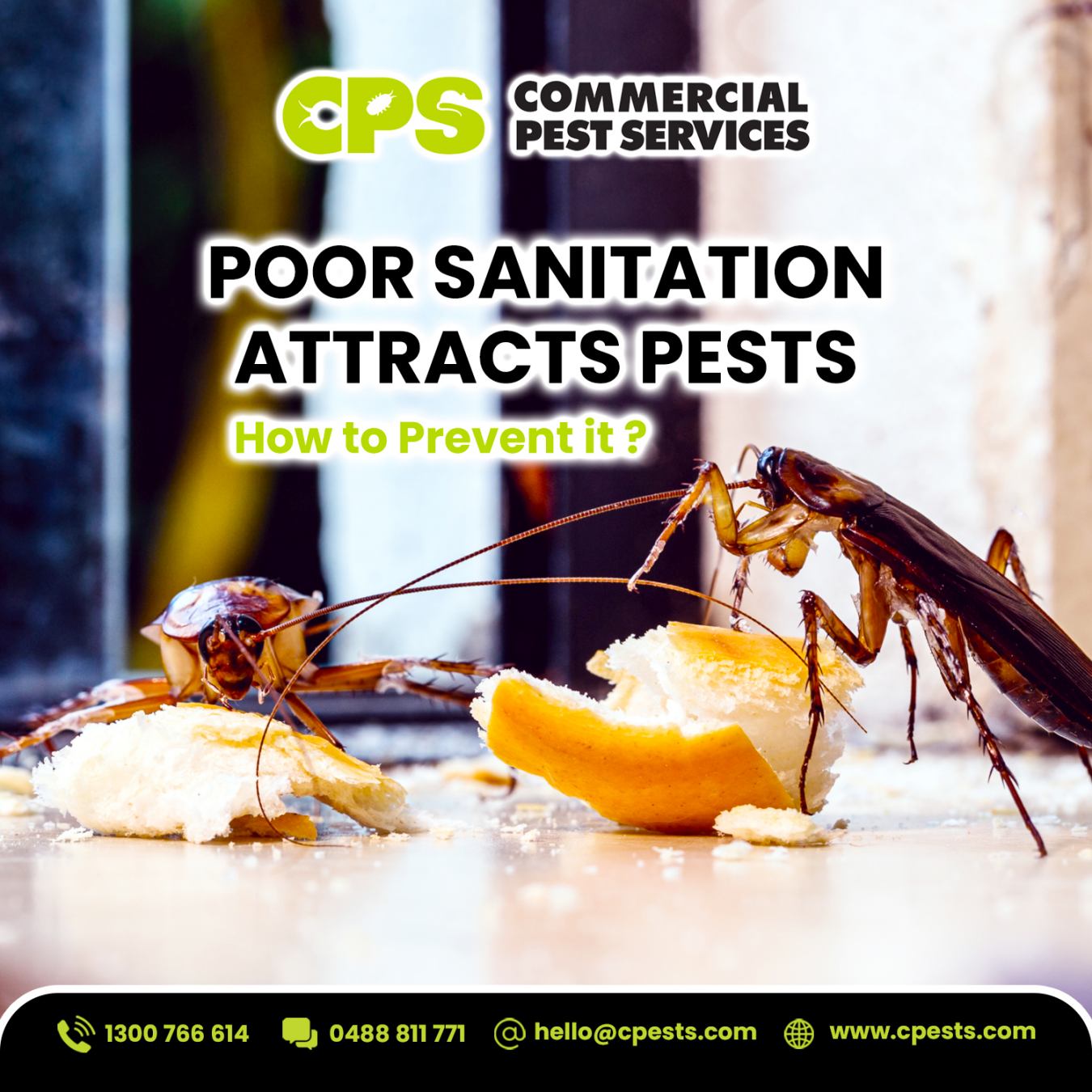
Pest activity in commercial buildings is rarely random. In most cases, it is a direct response to environmental conditions, particularly poor sanitation practices. Where food, moisture, and shelter are readily available, pests will follow. Pests are primarily attracted to environments where food is easy to find.
For businesses, sanitation is more than a hygiene concern. It is an operational, financial, and reputational risk, with potential for financial losses, health hazards, and serious damage to a business’s reputation. Understanding how sanitation influences pest activity is the first step toward maintaining a controlled, compliant, and professional environment.
Professional sanitation and pest control services are essential for businesses to maintain a safe and hygienic environment, as pest infestations can lead to health risks, property damage, and reputational harm.
The Link Between Sanitation and Pest Activity
Pests are driven by three basic needs: food, water, and shelter. Poor sanitation creates consistent access to all three.
In commercial environments whether offices, warehouses, retail spaces, or food-related facilities, daily operations naturally generate waste, residue, and moisture. Without structured sanitation practices, these conditions quickly become ideal for pest activity.
This is why pest issues are often not just external problems. In many cases, they are internally driven by sanitation gaps, such as unsealed entry points and undisturbed hiding spots that allow pests to thrive.
Why Commercial Buildings Are High-Risk Environments
Commercial buildings and business premises present unique challenges when it comes to maintaining consistent sanitation.
Several factors increase vulnerability:
- High foot traffic increases waste, spills, and contamination risks
- Multiple operational zones such as kitchens, storage areas, restrooms, and loading docks
- Constant movement of goods and materials, introducing external contaminants
- Regular upkeep and preventive measures are essential for maintaining sanitation and reducing pest risks
These factors make it easier for sanitation issues to develop. Facilities with poor sanitation experience faster pest population rebounds after treatments compared to cleaner facilities.
How Poor Sanitation Attracts Pests
When sanitation is not properly managed, it creates the exact conditions pests need to survive and multiply.
Food Sources
Food residue is one of the strongest attractants for pests. Even small amounts can sustain infestations.
Common sources include:
- Unclean surfaces and equipment
- Food spills and crumbs left unattended
- Improperly stored food products
- Overflowing or unsealed waste bins
Moisture and Water
Water is essential for pest survival, and even minor moisture issues can attract activity.
Key risk areas include:
- Condensation around equipment
- Wet floors in kitchens or restrooms
Stagnant water from blocked drains and leaky pipes creates ideal breeding grounds for mosquitoes and flies.
Shelter and Harborage
Pests also seek out safe, undisturbed areas to nest and reproduce.
These often include:
- Wall cavities and ceiling voids
- Behind equipment or fixtures
- Rarely accessed areas within the building
Together, these factors create a complete environment for pest survival, allowing infestations to establish and spread.
Common Pests Linked to Poor Sanitation
Different pests are attracted to different sanitation conditions, but several are commonly associated with commercial environments.
- Cockroaches thrive in unsanitary conditions, especially in areas with food residue and moisture. They are often found in kitchens, storage areas, and behind equipment. Cockroaches can spread bacteria, leading to health code violations and potential customer complaints in food service environments.
- Rodents are drawn to food waste and sheltered spaces. They can quickly establish nests and contaminate stored goods.
- Flies breed in organic waste and damp areas, making waste zones and food handling areas high-risk.
- Ants are attracted to sugary and greasy residues, often appearing in kitchens and break rooms.
Each of these pests not only indicates a sanitation issue but also contributes to further contamination if left unmanaged.
Risks of Poor Sanitation in Commercial Settings
The impact of poor sanitation extends far beyond pest presence. It can result in significant damage to property, including structural damage caused by pests such as termites and rodents, and pose significant health risks to staff and customers through the spread of disease and allergens. These consequences affect multiple aspects of business operations.
Compliance Risks
Pest infestations can lead to regulatory fines for non-compliance with health and safety standards. Additionally, businesses may suffer negative reviews from dissatisfied customers who encounter pests, damaging reputation and customer trust.
Regular pest inspections and proactive management strategies can help detect and mitigate pest-related structural damage, preventing costly repairs and disruptions to business operations.
Operational Risks
Pests can disrupt daily operations, contaminate products, and damage equipment. Effective rodent control is especially important in maintaining hygiene, preventing property damage, and safeguarding your company’s reputation.
A comprehensive approach to pest management including ongoing monitoring, preventative measures, and tailored solutions is essential for long-term protection and business continuity.
Health and Hygiene Risks
Pests can carry and transfer bacteria, contaminating surfaces, products, and equipment, which pose health risks and create significant health risks for employees and customers. Pests such as rodents, cockroaches, and flies carry disease-causing bacteria, contaminating food and surfaces, which can compromise the health and safety of employees and customers.
Rodents are known to transmit diseases such as salmonella and hantavirus, which can be spread through contact with their droppings, urine, or bites, posing significant health risks in commercial settings. This increases the risk of illness and compromises hygiene standards.
Financial Risks
Due to pest infestations, financial losses can be extensive, with unwanted expenses including loss of contaminated goods, increased cleaning and maintenance fees, and more intensive pest control treatments.
These risks highlight the importance of addressing sanitation as a core operational priority.
Essential Areas to Clean in Commercial Buildings
Maintaining a pest free environment in commercial buildings starts with focusing on the areas most likely to attract pests. Kitchens, bathrooms, storage rooms, and trash disposal zones are key areas that require regular cleaning and attention. In these spaces, food residue, moisture, and clutter can quickly lead to sanitation issues and pest problems if not managed properly.
Proper waste management is essential such as using sealed containers for both food and rubbish helps prevent pest infestations by denying pests easy access to food sources. Regular inspections and thorough cleaning of equipment, floors, and surfaces help identify early signs of pest activity and address sanitation issues before they escalate.
Storage areas should be kept organized and free from unnecessary clutter, as undisturbed areas can become potential nesting sites for pests. Bathrooms and washrooms also require frequent cleaning to prevent moisture buildup, which can attract certain pests.
By maintaining cleanliness in these key areas and implementing proper waste management practices, businesses can significantly reduce the risk of infestations and create a healthier, pest free environment for employees and customers alike.
What Can We Do? Practical Sanitation Strategies
Effective pest prevention starts with consistent and structured sanitation practices.
Cleaning Protocols
Establishing a regular cleaning schedule is crucial. This includes daily removal of food waste, prompt cleaning of spills, and thorough sanitisation of food preparation areas. Maintaining cleanliness by regularly sweeping floors and wiping surfaces removes crumbs and spills that could attract pests like ants and roaches. Pay special attention to hard-to-reach areas under appliances and behind equipment, as these are common hiding spots for pests.
Waste Management
Ensure all bins have tight-fitting lids and are emptied frequently. Store waste away from main buildings and clean bin areas regularly to prevent odours and pest attraction.
Maintenance Issues
Addressing maintenance issues is equally important. Leaky pipes, standing water, and damp areas provide ideal breeding grounds for pests. Regularly inspect and repair plumbing, and ensure proper drainage throughout the facility.
- Fix leaks and eliminate standing water.
- Repair cracks in walls, floors, and ceilings.
- Seal entry points to prevent pest ingress.
Storage Practices
Store food and supplies in sealed containers and off the floor. Rotate stock to prevent spoilage and reduce the risk of pest infestations.
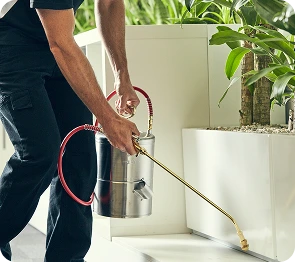
By implementing these strategies, businesses can significantly reduce the risk of pest problems. Incorporating advanced techniques and eco-friendly solutions, such as non-toxic treatments and modern pest detection methods, further enhances a comprehensive pest management strategy.
Explore our hygiene & sanitation services for your commercial property.
The Role of Professional Pest Management
While sanitation is essential, it is most effective when supported by a structured pest management approach delivered by a licensed and certified pest control company. Selecting a professional pest control company ensures compliance with industry standards and effective pest management.
Professional pest management provides:
- Thorough inspections to identify risk areas
- Monitoring systems to detect early activity
- Targeted treatments tailored to the environment
- Ongoing reporting and risk assessment
This ensures that pest risks are not only addressed but continuously managed. A comprehensive approach to pest management—incorporating ongoing monitoring, preventative measures, and tailored solutions—delivers long-term protection and peace of mind.
Reach out for our commercial pest control services. We are more than just a contractor.
Why Prevention Is More Effective Than Reaction
For commercial environments, the value of prevention is not just operational—it is financial and strategic. The risks associated with poor sanitation and pest activity, such as health concerns, operational disruption, financial loss, compliance issues, and the potential for pest infestation in business premises, can all be significantly reduced, or avoided entirely, through a proactive approach.
When businesses invest in preventative sanitation and pest management, including rodent control as a key component for business premises, they are effectively controlling risk before it turns into cost.
- Health and hygiene risks are minimised earlyBy maintaining clean, well-managed environments, businesses reduce the likelihood of contamination, protecting both customers and staff while maintaining hygiene standards.
- Operational disruption is avoidedPreventative measures reduce the chances of infestations that can lead to restricted areas, halted operations, or emergency treatments.
- Financial loss is controlledInstead of facing unexpected costs such as damaged goods, intensive treatments, or increased cleaning, businesses can manage expenses through predictable, planned maintenance.
- Compliance risks are reducedConsistent sanitation and monitoring help ensure businesses remain audit-ready, avoiding penalties, failed inspections, and reputational damage.
In contrast, reactive approaches often mean addressing problems after these impacts have already occurred when costs are higher and control is more difficult.
For businesses, prevention is not an added expense. It is a cost-control strategy that protects operations, safeguards reputation, and ensures long-term stability.
Poor sanitation is one of the primary drivers of pest activity in commercial buildings. When food, water, and shelter are readily available, pests will inevitably follow.
By addressing sanitation practices and implementing a structured approach to pest management, businesses can significantly reduce risk and maintain a cleaner, more controlled environment.
Ultimately, effective pest control begins with controlling the conditions that allow pests to thrive.
[Book My Assessment → https://competitivepestcontrol.com.au/contact/ ]