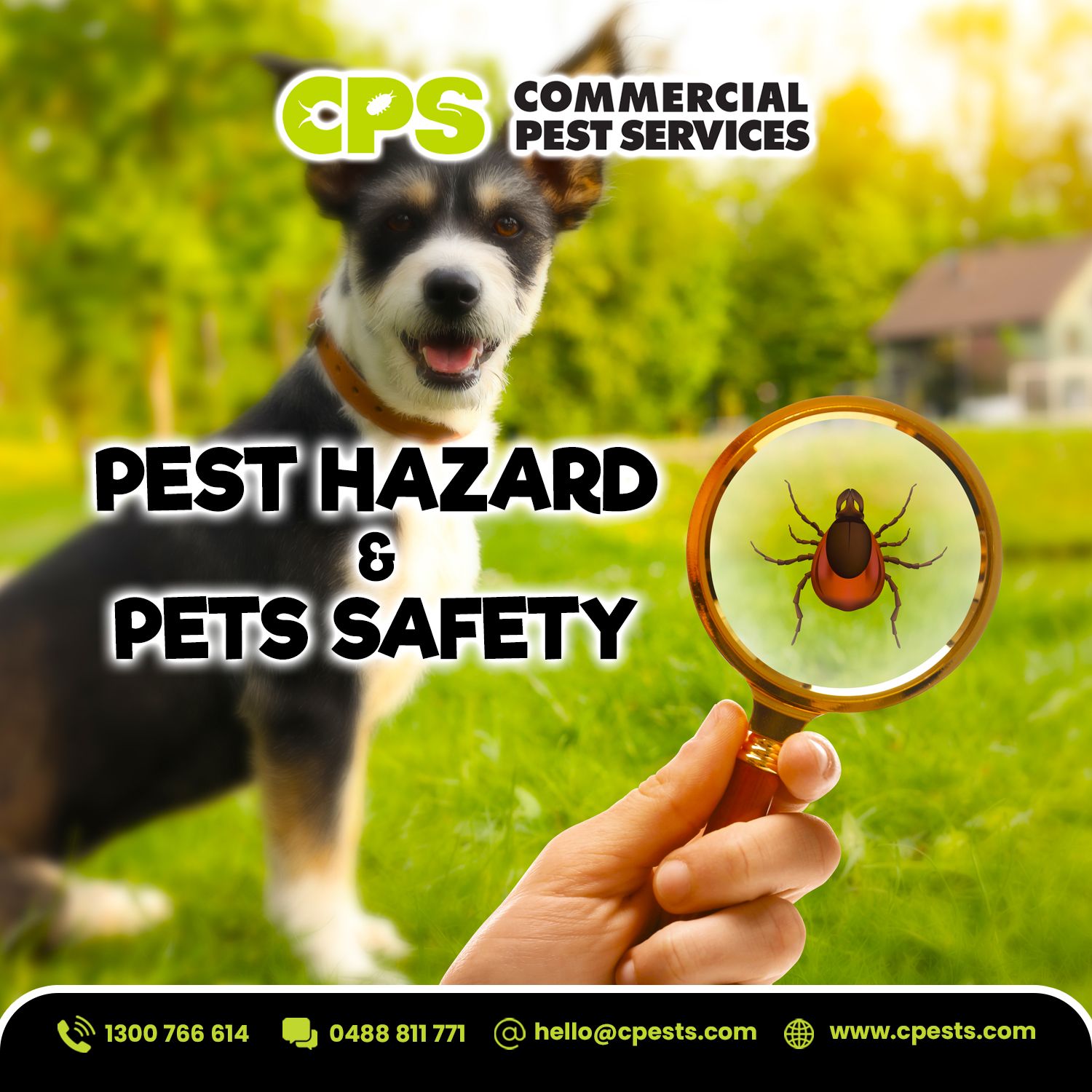
Pets are naturally curious. Whether indoors or outdoors, they spend time close to floors, gardens, furniture, and hidden spaces where pest activity can develop unnoticed.
While pests are often viewed as a household nuisance, they can also affect the comfort, hygiene, and wellbeing of pets. From fleas and ticks to rodents and stinging insects, some pests pose direct risks to animals, while others create unhealthy living conditions inside the home.
Understanding these risks and maintaining a clean, well-managed environment can help pet owners reduce pest activity before it becomes a larger problem.
Common Household Pests That Can Affect Pets
Different pests create different risks for pets depending on the environment and level of exposure.
Fleas
Fleas are one of the most common pests affecting pets in Australian homes. They spread quickly through carpets, bedding, upholstery, and soft furnishings.
Common signs include:
- restlessness and discomfort
If left unmanaged, flea infestations can spread throughout the home environment, even after pets themselves are treated.
Ticks
Ticks are commonly found in gardens, bushland, and outdoor areas, particularly during warmer seasons.
Pets can pick up ticks while walking or playing outdoors. Some species may carry toxins or diseases that can seriously affect animals if not detected early.
Regular checking after outdoor activity is especially important in higher-risk areas.
Rodents
Rats and mice can contaminate areas where pets eat or rest through droppings, urine, and bacteria.
Pets may also attempt to chase or interact with rodents, increasing exposure risks. In some cases, rodent activity can attract secondary pests and create hidden nesting areas within the property.
Cockroaches
Cockroaches thrive in warm, damp, and food-rich environments. They are commonly found in kitchens, laundries, storage spaces, and rubbish areas.
Beyond being unpleasant, cockroaches can contaminate surfaces and contribute to unhygienic conditions that may affect both people and pets.
Bees and Wasps
Pets are naturally curious and may accidentally disturb bee or wasp nests in gardens, roof spaces, or outdoor structures.
Stings can cause swelling, irritation, and allergic reactions, particularly in smaller animals or sensitive pets.
Spiders
Australia is home to many spider species. While most are harmless, some can pose risks if disturbed.
Pets exploring garages, storage spaces, gardens, or outdoor furniture may occasionally encounter spiders in hidden areas.
Modern Pest Control and Pet Safety
One of the biggest concerns for pet owners is whether pest control treatments are safe around animals.
Modern professional pest management is far more controlled and targeted than many people expect. Treatments today are selected carefully based on:
- the treatment environment
- household considerations, including pets and children
Professional pest management focuses not only on effective control, but also on environmental responsibility and safety considerations.
At CPS, pest management approaches are supported by environmental management principles aligned with ISO 14001 practices, alongside structured hygiene and risk-management approaches guided by HACCP principles where relevant.
This allows treatments to be applied in a more controlled and responsible way across residential and sensitive environments.
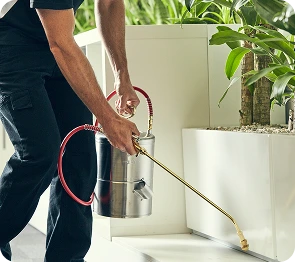
Professional technicians also provide guidance before and after treatment, including any temporary precautions needed for pets.
How to Safeguard Pets During Pest Treatments
Pet owners can take simple steps to help maintain a safer environment during pest treatments.
Recommended precautions include:
- following technician instructions carefully
- temporarily keeping pets away from treatment areas if advised
- storing pet food and water bowls safely during treatment
- avoiding recently treated outdoor areas until products settle or dry
- informing technicians about pets before treatment begins
Clear communication helps ensure treatments are carried out appropriately for the environment.
Keeping Your Home Cleaner and Safer for Pets
Good hygiene and sanitation play an important role in preventing pest activity in the first place.
Many pests are attracted to environments where food, moisture, waste, and shelter are easily available. Maintaining cleaner conditions helps reduce the likelihood of larger infestations developing over time.
Manage Pet Feeding Areas Carefully
- Avoid leaving pet food exposed for extended periods
- Store dry food in sealed containers
Wash Pet Bedding Frequently
Pet bedding, blankets, and soft furnishings can support flea development if not cleaned regularly.
Frequent washing and vacuuming help reduce hidden pest activity.
Maintain Waste and Odour Control
- Dispose of pet waste promptly
- Maintain outdoor areas regularly
Poor waste management can attract flies, cockroaches, rodents, and ants.
Reduce Moisture and Damp Areas
Many pests thrive in damp environments.
Addressing leaks, improving ventilation, and managing humidity can help reduce conditions that support pest activity.
Keep Storage and Hidden Areas Clean
Regular vacuuming, decluttering, and cleaning behind furniture and appliances help remove food debris and reduce hiding spaces for pests.
Why Early Pest Management Matters for Pet Owners
Pest activity often develops quietly before becoming visible. Delaying action can allow infestations to spread further through hidden areas of the home.
Early pest management helps:
- reduce exposure risks for pets
- minimise property contamination
- prevent larger infestations from developing
- reduce long-term treatment complexity and costs
A proactive approach is usually easier and less disruptive than responding to an established infestation later.
When to Seek Professional Pest Management
Professional pest management should be considered when:
- pest activity becomes recurring or widespread
- fleas or insects continue appearing after treatment
- rodent activity or nesting signs are present
- DIY methods are no longer effective
- there are concerns about managing pests safely around pets
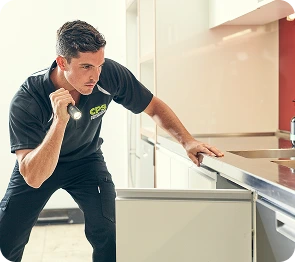
Professional inspections help identify hidden risks, determine the source of activity, and provide more structured long-term management.
Conclusion
Pests can affect more than just the condition of a home. They can also impact the comfort, hygiene, and wellbeing of pets.
By maintaining good sanitation practices, managing environmental conditions, and responding to early signs of pest activity, pet owners can create cleaner and safer living spaces for both pets and people.
Modern pest management is designed to balance effective control with safety and environmental responsibility, helping households manage pest risks more confidently and proactively.
Book a pest inspection today; call us or visit us at https://competitivepestcontrol.com.au/