Send us a message and one of our specialists pest managers will be in touch
Wasp Nest Removal in Autumn: Why May Is the Safest Window to Act
May 28, 2026
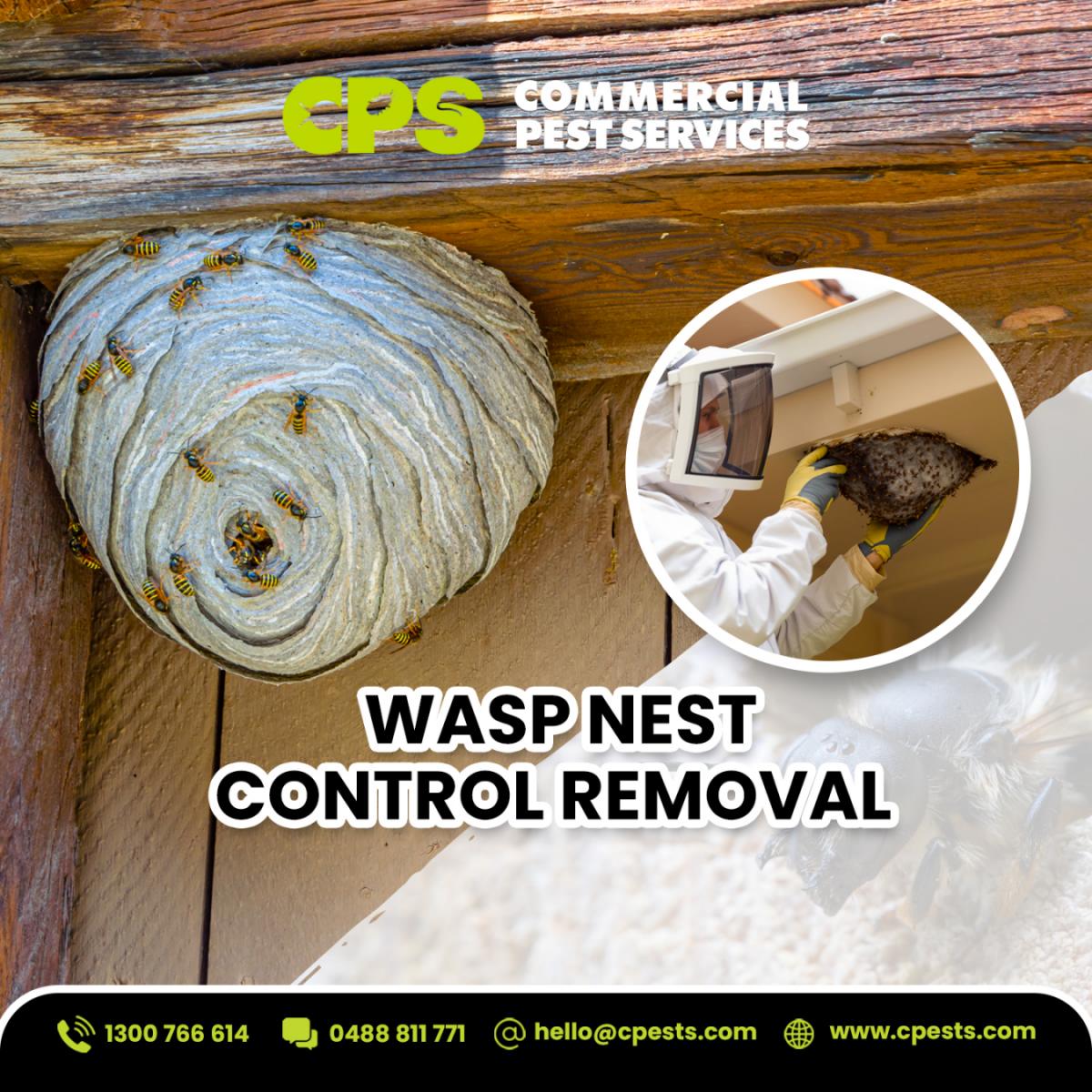
If you’ve spotted a wasp nest on your property, you’re probably wondering when the right time is to deal with it. The good news is that you’re asking the question in May — and that matters more than you might think. In Brisbane, May is the single best month to remove a wasp nest safely. Here’s why, and what to do about it. Understanding […]
If you’ve spotted a wasp nest on your property, you’re probably wondering when the right time is to deal with it. The good news is that you’re asking the question in May — and that matters more than you might think. In Brisbane, May is the single best month to remove a wasp nest safely. Here’s why, and what to do about it.
Understanding Wasp Season in Brisbane
Spring Build-Up to Autumn Peak
Wasp colonies in Brisbane follow a predictable seasonal pattern. Queens emerge from winter dormancy in early spring, typically in September, and begin building new nests. Through October, November, and into the summer months, the colony grows steadily. By late summer and early autumn, a mature European wasp nest can contain anywhere from 3,000 to 100,000 workers. That is the most dangerous window for intervention.
Why Colonies Decline by May
As Brisbane moves into autumn, something important happens inside the nest. Worker populations begin to decline. New queens and males are produced, and the original founding queen slows her egg-laying. By May, most nests are well past their peak size, and the colony is naturally winding down. This means fewer workers defending the nest, significantly reducing the sting risk for anyone approaching it. Simply put, May gives you a smaller target and a calmer one.
Risks of Delaying Until Winter
Larger Nests Mean More Stings
It’s tempting to wait until you stop seeing wasp activity around a nest, but that approach carries real risks. If you delay until June or July, the nest structure remains in place. New queens that overwintered will use the same location to start fresh colonies the following spring. Moreover, disturbing an old nest without knowing whether it’s still active can still provoke stings from stragglers. Waiting rarely makes the job safer.
Legal and Native Species Rules
Not all wasps in Australia are introduced pests. Several native species, including spider wasps and some paper wasps, are protected under Queensland wildlife legislation. Removing them without the correct licence is illegal. This is one more reason to call a licensed professional rather than attempting removal yourself. A CPS technician identifies the species before any treatment begins, ensuring the job is done legally and correctly.
Important European wasps are an introduced pest and can be treated without restriction. However, if you’re unsure whether your nest belongs to a native species, always call a licensed technician first.
May Advantages: Cooler Temps, Sluggish Wasps
Early Morning and Evening Treatments
Temperature plays a bigger role in wasp removal than most people realise. In cooler conditions, wasps become less active and slower to respond to disturbance. Brisbane’s May mornings, typically 12–16°C, are ideal for treatment timing. CPS technicians scheduled wasp nest jobs in the early morning or early evening for exactly this reason. Cooler, calmer wasps mean a faster, lower-risk treatment for everyone involved.
Reduced Aggression Post-Peak
Beyond temperature, there’s a behavioral shift that happens in autumn. As the colony transitions out of its peak phase, worker wasps become less defensive. The aggressive, high-alert response that makes summer nest removal so hazardous is genuinely reduced in May. So while no wasp nest is without risk, the combination of smaller colony size, cooler temperatures, and reduced aggression makes May the safest treatment window of the year.
Step-by-Step Safe Removal Process
Inspection and PPE Gear
Every CPS wasp job starts with a proper inspection before any product is applied. The technician identifies the nest location, the entry point, the species, and the size of the colony. Full-body PPE, including a veil, gloves, and sealed overalls, is worn throughout. This is not optional equipment. A single disturbed nest can produce hundreds of stings in seconds if not properly managed.
Dusting, Foam, or Vacuum Methods
The treatment method depends on the nest type and location. For most aerial nests and void-dwelling nests, insecticidal dust is applied directly into the nest entrance, it coats returning workers and spreads through the colony as they groom each other. For nests in tight cavities, expanding insecticidal foam is used to fill the void. In some cases, particularly for smaller active nests, a commercial vacuum unit is used to physically remove workers before chemical application. The right method is chosen on-site based on what the inspection reveals.
DIY vs Professional: Why Pros Win
It’s worth addressing this directly, because wasp nest removal products are widely available in hardware stores. Here’s the honest picture.
Licensed for Native Wasps
DIY products can knock down visible wasp activity, but they rarely eliminate the nest chambers where larvae and the queen are located. Without treating the nest source, activity returns within days. More critically, if the nest contains a native species, DIY treatment is a legal issue as well as a safety one. CPS technicians are licensed under Queensland legislation to treat all wasp species. They carry the correct products, the correct protective equipment, and the correct insurance.
DIY Removal
CPS Professional
Effectiveness
Partial — misses hidden nest chambers
Complete — full colony elimination
Safety
High sting risk without correct PPE
Fully protected with licensed PPE
Native species
Illegal to remove without licence
Licensed for all native Australian wasps
Guarantee
No guarantee if nest returns
200% Money-Back Guarantee
Same-day
Not available
Available across the Brisbane metro
Prevention After Removal
Seal Entry Points and Trim Vegetation
Once a nest is removed, the job isn’t quite finished. Wasps frequently return to the same location in subsequent seasons, especially if the site offers shelter and food access. After treatment, CPS recommends sealing any wall cavities, roof void gaps, or timber joints that the nest was built in. Trim back dense shrubs and overhanging branches that create sheltered nesting sites. Keep outdoor bins sealed and clear any fallen fruit from gardens, both are reliable wasp food sources.
Brisbane-Specific Wasp Hotspots
Eaves, Trees, and Solar Panels
In Brisbane, European wasps and paper wasps most commonly nest in the following locations:
Roof eaves and soffits — especially on the north-facing side of the property, where warmth is highest
Dense garden shrubs and hedges, particularly near outdoor entertaining areas
Underground — European wasps frequently build in subfloor voids and abandoned rodent burrows
Behind solar panels — the cavity between panel and roof provides ideal shelter and warmth
Inside wall cavities, particularly in older weatherboard homes with small gaps around pipes and cables
If you’re finding wasp activity but can’t locate the nest, these are the first areas to check. Underground nests are especially easy to miss, as the entrance hole can be as small as a 20-cent coin.
Cost and Same-Day Service Expectations
Pricing Factors From $120+
Wasp nest removal in Brisbane typically starts at around $120 for a single accessible aerial nest and increases based on several factors:
Nest accessibility — ground level vs roof void vs underground requires different equipment and time
Colony size — a larger nest takes longer to treat and requires more product
Species — native wasps require additional care and specific methods
Number of nests — multiple nests on the same property are priced as a program, not individually
CPS provides a fixed quote before any treatment begins. There are no hidden call-out fees or surprise charges. Same-day service is available across the Brisbane metro area, including inner suburbs, the north side, south side, and Redlands. If you call before midday, a CPS technician can generally attend the same afternoon.
When to Call Experts Now
Signs Your Nest Needs Urgent Action
Some wasp situations need same-day attention rather than scheduled removal. Call CPS immediately if:
The nest is within 3 metres of a door, window, or outdoor play area
You’ve already disturbed the nest and wasps are actively defensive
A household member has a known allergy to wasp venom
The nest is underground and you can’t confirm the entry point
You’ve counted more than 50 wasps entering or exiting in a 10-minute window
In any of these situations, don’t attempt to treat the nest yourself. Keep people and pets away from the area and call CPS directly. European wasp stings can cause anaphylaxis in sensitive individuals — this is a genuine medical emergency, not just an unpleasant experience.
Did You Know? European wasps can sting multiple times without dying, unlike honey bees. A single disturbed nest can produce hundreds of stings in under a minute. Licensed removal is always the safer choice.
Book Brisbane Wasp Removal Today
Don’t wait until a nest becomes a hazard. May is the safest window, and CPS is ready.
Scope: Australian properties — residential and commercial. All wasp treatments performed by licensed CPS technicians under Queensland wildlife and pest management legislation.
We acknowledge the Traditional Custodians of Country throughout Australia and their connections to land, sea, and community.
We pay our respect to their Elders past and present and extend that respect to all Aboriginal and Torres Strait Islander peoples today.