Hygiene standards in modern businesses are no longer viewed as optional or secondary responsibilities. Today, customers, employees, and visitors expect businesses to maintain environments that are visibly clean, safe, and professionally managed at all times.
Across Australia, businesses are operating in an environment where public expectations around cleanliness and sanitation continue to rise. Whether it is a restaurant, warehouse, healthcare facility, office, retail store, or accommodation provider, hygiene standards now directly influence customer trust and brand perception.
At the same time, social media and online review platforms have changed how hygiene issues are viewed publicly. A single complaint, image, or pest sighting can quickly spread online and affect how people perceive a business.
This is why modern businesses cannot afford to overlook hygiene and sanitation management. Today, hygiene is closely connected to reputation, operational continuity, customer confidence, and long-term business performance.
Why Hygiene Matters More in Modern Businesses
Customers today are more aware of environmental hygiene than ever before. Cleanliness is often associated with professionalism, safety, and overall business quality.
People naturally notice the condition of the environment around them, including:
- Cleanliness of shared spaces
- Odours and sanitation standards
- Visible maintenance issues
- Waste management practices
A clean and well-maintained environment helps support customer confidence, employee wellbeing, operational efficiency, and stronger public trust. On the other hand, poor hygiene can quickly create negative impressions that influence how customers view the entire business.
In many industries, environmental hygiene has become part of the customer experience itself.
How Social Media and Online Reviews have raised the Stakes
One of the biggest changes affecting modern hygiene standards is the rise of social media and online review culture. Today, customers can instantly share their experiences through Google reviews, Facebook, Instagram, TikTok, and hospitality and travel review platforms.
This means hygiene concerns are no longer isolated issues handled privately between businesses and customers. A single photo, video, or review can quickly reach a large audience and influence public perception — affecting future bookings, repeat business, and online reputation. In highly competitive industries, businesses cannot risk public hygiene concerns damaging their standing.
The Financial and Operational Impact of Poor Hygiene
Poor hygiene can create much broader consequences than many businesses expect. Beyond visible cleanliness concerns, inadequate hygiene management may contribute to reputational damage, customer complaints, reduced repeat business, negative online reviews, operational disruption, increased remediation costs, and compliance risks in regulated industries.
Preventive hygiene management is often significantly more cost-effective than responding to large-scale problems after they develop. Maintaining consistent sanitation standards helps businesses reduce avoidable risks while supporting smoother day-to-day operations.
Hygiene Expectations Across Different Industries in Australia
Although hygiene requirements vary between industries, maintaining clean and safe environments has become a baseline expectation across almost every business sector in Australia.
Food and Hospitality
Restaurants, cafés, hotels, catering facilities, and accommodation providers operate under particularly high hygiene expectations. Customers expect clean dining environments, hygienic food preparation areas, sanitised surfaces, proper waste management, and visibly clean facilities. In hospitality environments, hygiene concerns can quickly affect customer trust, online reviews, and brand reputation.
Healthcare and Medical Facilities
Healthcare environments require strict sanitation standards because of the sensitive nature of patient care and infection prevention. Environmental hygiene supports patient safety, staff wellbeing, contamination control, and operational compliance across hospitals, clinics, and medical facilities.
Warehouses and Logistics Facilities
Warehouses and logistics environments require strong hygiene management despite being less customer-facing. Poor sanitation may contribute to contamination risks, pest activity, damaged inventory, and operational disruption, affecting supply chain reliability and working conditions.
Offices and Commercial Buildings
Employees and visitors increasingly expect office spaces to maintain clean shared areas, hygienic amenities, well-maintained kitchens and break rooms, and sanitary restrooms. Poor hygiene in workplace environments may negatively affect employee comfort, morale, and professional image.
Schools and Childcare Facilities
Schools and childcare centres are high-contact environments where hygiene standards are especially important. Parents expect clean classrooms, sanitised surfaces, and safe shared environments. Strong sanitation management supports healthier educational environments and helps reduce hygiene-related risks.
Basic Hygiene Standards Businesses Cannot Ignore
Regardless of industry, there are certain hygiene standards businesses should consistently maintain. These include:
- Regular cleaning and sanitation
- Proper waste management systems
- Restroom hygiene maintenance
- Moisture and odour control
- Safe food storage where applicable
- Proactive pest management programmes
In Australia, maintaining hygienic business environments is increasingly viewed as part of normal operational responsibility. Businesses that neglect these standards may create preventable operational, reputational, and compliance-related risks over time.
Frequently Asked Questions
Does poor hygiene affect a business’s reputation online?
Yes. Online review platforms and social media mean hygiene concerns are now publicly visible almost immediately. A single complaint or image shared online can influence how potential customers perceive a business, affecting bookings, foot traffic, and long-term brand trust.
Is preventive hygiene management worth the cost?
In most cases, yes. Preventive hygiene and pest management programmes are typically more cost-effective than dealing with large-scale remediation, operational downtime, or reputational damage after a problem has developed.
What types of businesses need a professional hygiene programme?
Any business operating shared spaces with customers, employees, or the public can benefit — including hospitality venues, healthcare facilities, warehouses, offices, retail stores, schools, and accommodation providers. Higher-risk environments such as food businesses and healthcare settings have the most to gain from structured, ongoing hygiene management.
How does pest activity affect business hygiene standards?
Pest activity is one of the most visible and reputationally damaging hygiene issues a business can experience. Even a single sighting reported publicly can affect customer confidence. Proactive pest management is an essential part of any comprehensive business hygiene programme.
The Role of Professional Hygiene and Pest Management
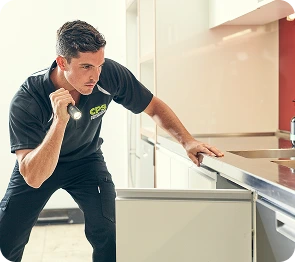
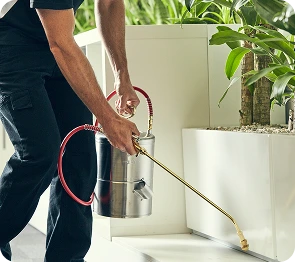
Professional hygiene and pest management services help businesses maintain cleaner, safer, and more consistent environments. This may include sanitation programmes, environmental hygiene monitoring, proactive pest prevention, routine inspections and reporting, and long-term risk management support.
At CPS, hygiene and pest management approaches are supported by environmentally responsible practices aligned with ISO 14001 environmental management principles, alongside structured hygiene-focused management approaches guided by HACCP principles where relevant. A proactive approach helps businesses reduce preventable hygiene risks while supporting stronger operational standards and customer confidence.
Explore our hygiene services for your businesses.