Pest control is evolving rapidly across Australia and New Zealand.
As businesses face increasing pressure to maintain hygiene standards, protect customer trust, and improve operational efficiency, traditional reactive pest control methods are no longer enough.
Today, many industries are shifting toward smarter, data-driven pest management strategies that focus on prevention rather than response. This is where smart pest monitoring is changing the future of pest control.
From warehouses and food manufacturing facilities to healthcare environments and hospitality businesses, modern pest management technologies are helping businesses detect risks earlier, monitor pest activity more efficiently, and make proactive decisions before infestations become widespread.
As environmental conditions, urbanisation, and operational complexity continue to evolve, smart pest monitoring is becoming an increasingly important part of modern facility management and commercial hygiene strategies.
What Is Smart Pest Monitoring?
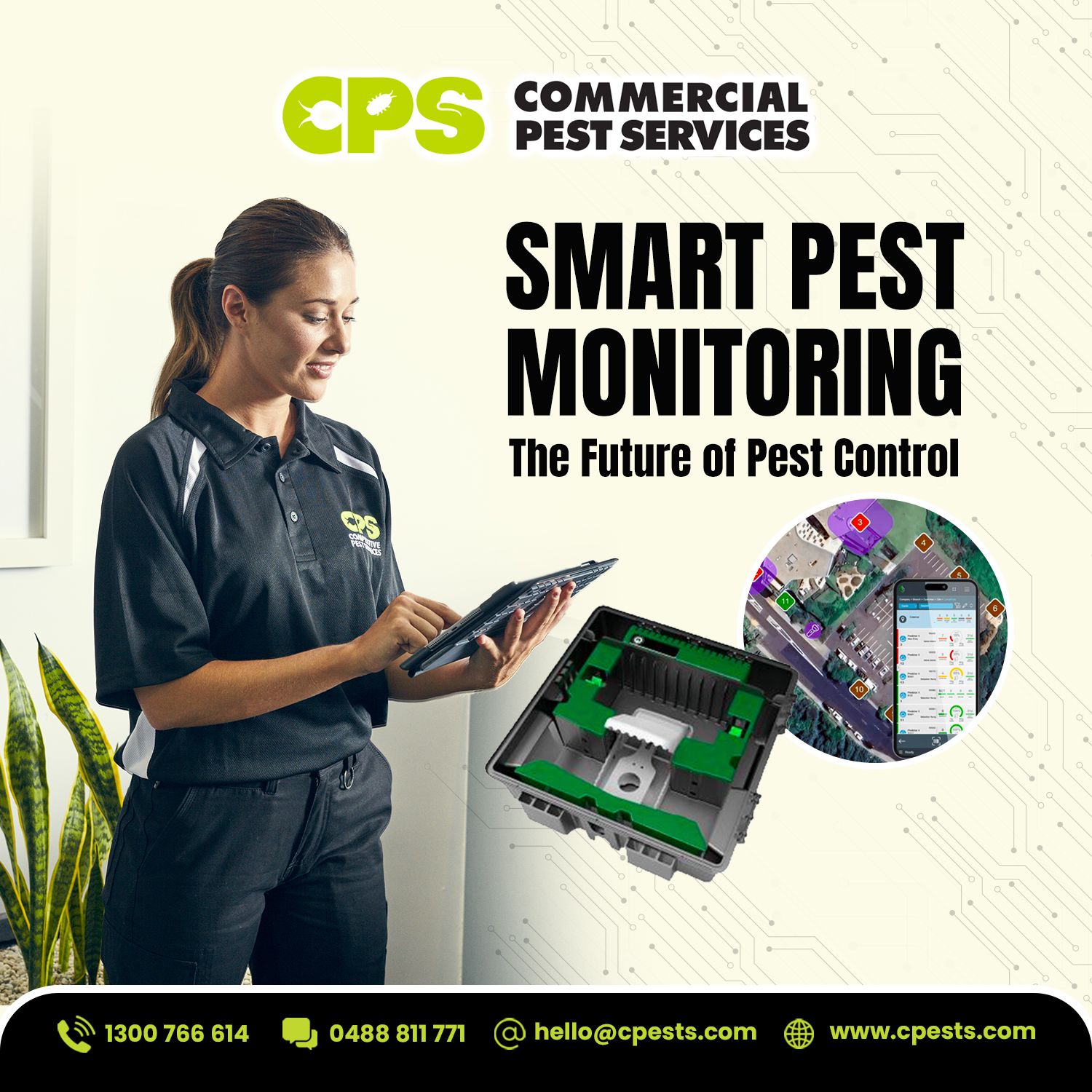
Smart pest monitoring refers to the use of digital technologies, connected devices, and data-based systems to monitor pest activity in real time.
Unlike traditional pest control approaches that rely heavily on scheduled inspections alone, smart monitoring systems provide ongoing visibility into pest activity across a property.
These systems may include:
- Digital monitoring devices
- Remote sensors
- Connected traps
- Real-time activity alerts
- Data reporting platforms
- Cloud-based monitoring systems
Rather than waiting for visible signs of infestations, businesses can identify early pest activity before it escalates into a larger problem.
This proactive approach supports faster response times, improved hygiene management, and more effective preventative pest measures.
Why Traditional Pest Control Is Changing
Traditional pest control methods often focus on reactive treatment after pest activity has already become noticeable. While routine inspections remain important, modern commercial environments now require faster and more precise monitoring systems.
Several factors are driving this shift:
Increasing Hygiene Expectations
Customers, employees, and regulators now expect higher hygiene and sanitation standards across industries. Visible pest activity can quickly damage customer trust and business reputation.
Industries such as food manufacturing, hospitality, healthcare, warehousing, retail, and logistics require stronger preventative pest management strategies to reduce operational risks.
Complex Commercial Environments
Large facilities with multiple storage zones, loading docks, food areas, and waste management systems create more opportunities for hidden pest activity.
In these environments, smart pest monitoring allows businesses to:
- Track high-risk areas
- Identify recurring activity patterns
- Detect hidden infestations earlier
- Improve inspection efficiency
Faster Response Requirements
Pest infestations can spread quickly if left unmanaged. Smart monitoring technologies support real-time alerts that allow pest management teams to respond faster before infestations worsen.
This reduces:
- Product contamination risks
- Property damage
- Operational disruption
- Long-term treatment costs
How Smart Pest Monitoring Works
Smart pest monitoring systems use connected devices placed strategically throughout a property. These devices collect activity data and notify pest management teams when movement or pest activity is detected.
Depending on the system, monitoring technologies may track:
- Rodent movement
- Trap activity
- Environmental conditions
- High-risk infestation zones
- Pest behaviour trends
Some systems also generate digital reports that help businesses maintain records for compliance, audits, and operational reviews.
This allows pest management to become more data-driven, transparent, and proactive.
Benefits of Smart Pest Monitoring
Early Detection of Pest Activity
One of the biggest advantages of smart pest monitoring is early detection.
Small pest problems are often easier, safer, and more cost-effective to manage before populations spread throughout a property.
Early intervention helps reduce contamination risks, product loss, structural damage, hygiene concerns, business disruption.
Improved Preventative Pest Measures
Preventative pest measures are becoming increasingly important for businesses aiming to reduce long-term operational risks.
Smart monitoring systems help businesses by identifying pest trends and high-risk areas, improve pest management strategies and reduce recurring infestations.
Instead of relying only on visible infestations, businesses can make informed decisions based on real-time monitoring data.
Better Compliance and Reporting
Many industries must meet strict hygiene and safety requirements. Smart pest monitoring systems often provide digital records and reporting tools that support compliance processes.
This can be particularly valuable for:
- Food manufacturing facilities
- Healthcare environments
- Warehouses
- Hospitality businesses
- Retail operations
Digital reporting also improves transparency between businesses and pest management providers.
Reduced Operational Disruption
Large-scale infestations can interrupt daily operations, damage products, and affect customer experience.
By identifying pest activity earlier, businesses can reduce emergency treatments, downtime, inventory contamination, and reputational damage.
This makes smart pest monitoring an important operational support strategy, not just a pest control tool.
Industries Benefiting From Smart Pest Monitoring
Warehouses and Logistics Facilities
Warehouses often contain large storage areas, loading docks, and shipment movement that create ideal conditions for rodents and insects.
Smart monitoring helps track pest activity in hidden and difficult-to-access areas while supporting inventory protection and sanitation management.
Food Manufacturing and Food Handling Environments
Food-related industries face strict hygiene expectations and compliance requirements. Smart pest monitoring helps reduce contamination risks and supports proactive food safety management.
Continuous monitoring is especially valuable in facilities such as processing and packaging areas, commercial kitchen, and storage environments.
Healthcare Facilities
Hospitals, clinics, and aged care facilities require highly controlled hygiene environments.
Smart pest monitoring supports:
- Infection prevention strategies
- Sanitation management
- Early pest detection
- Reduced environmental risks
Hospitality and Accommodation
Hotels, restaurants, cafés, and accommodation providers rely heavily on customer experience and public trust.
Even a single pest sighting may negatively impact:
- Customer reviews
- Brand reputation
- Hygiene perception
Smart monitoring systems help businesses act early before visible pest activity affects guests and customers.
The Role of Data and Technology in Modern Pest Control
The future of pest control is becoming increasingly connected to data, technology, and predictive risk management.
Modern pest management is no longer only about applying treatments. It now involves:
- Risk analysis
- Environmental monitoring
- Behaviour tracking
- Preventative planning
- Data-driven decision making
As technology continues to evolve, pest management providers can deliver more targeted, efficient, and environmentally responsible solutions.
This also aligns with growing industry focus on sustainability, ESG awareness, environmental hygiene, operational efficiency, and workplace safety.
Why Proactive Pest Management Matters More Than Ever
Environmental changes, urban development, climate conditions, and increasing operational complexity continue to influence pest behaviour across Australia and New Zealand.
Because of this, reactive pest control alone may no longer provide sufficient long-term protection for many businesses.
Proactive pest management supported by smart monitoring technologies helps businesses:
- Reduce long-term risks
- Improve hygiene standards
- Protect customer trust
- Strengthen compliance
- Minimise unexpected infestations
The goal is not simply to eliminate pests after they appear, but to identify risks early and prevent widespread infestations from developing.
Smart Pest Monitoring is transforming the future of pest control.
In Australia and New Zealand, as industries continue to prioritise hygiene, operational efficiency, and preventative risk management, technology-driven pest management solutions are becoming increasingly valuable.
From real-time alerts and digital monitoring systems to data-based reporting and early detection, smart pest monitoring helps businesses move beyond reactive treatment toward more proactive and strategic pest management.
For commercial environments such as warehouses, healthcare facilities, hospitality venues, food manufacturing plants, and logistics operations, smarter monitoring solutions support cleaner, safer, and more resilient environments.
As the pest control industry continues to evolve, smart pest monitoring is likely to play an even greater role in shaping the future of preventative pest management.
Book your free pests assessment with CPS today !