Send us a message and one of our specialists pest managers will be in touch
All About Rodents
June 6, 2026
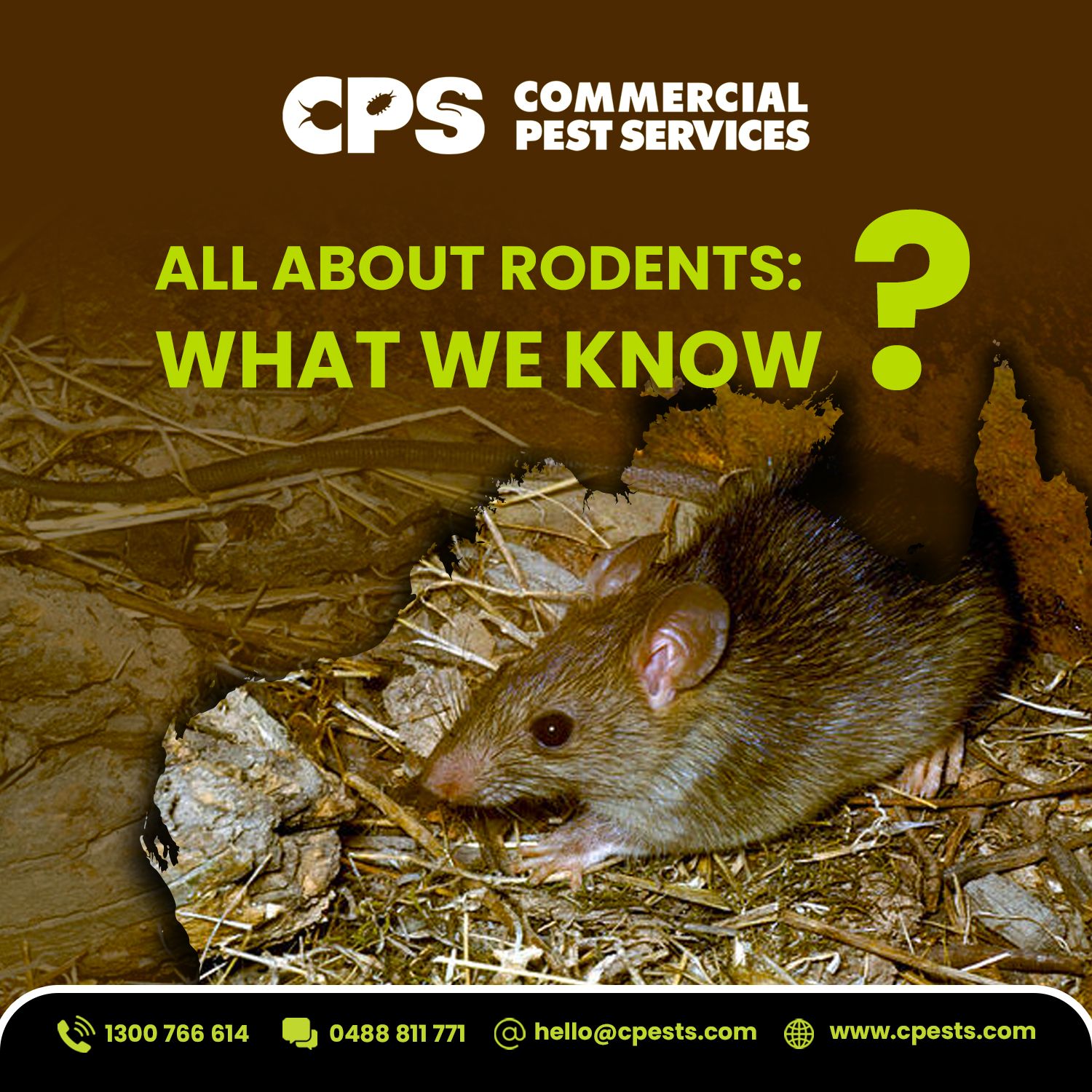
Australia is home to more than 60 native rodent species, making rodents an important part of Australian biodiversity. In fact, rodents make up nearly a quarter of Australia’s mammal species and contribute significantly to natural ecosystems across the country. Many native rodent species play valuable ecological roles such as: However, while many native rodents remain […]
Australia is home to more than 60 native rodent species, making rodents an important part of Australian biodiversity. In fact, rodents make up nearly a quarter of Australia’s mammal species and contribute significantly to natural ecosystems across the country.
Many native rodent species play valuable ecological roles such as:
Seed dispersal
Seed predation
Soil interaction
Supporting food chains for birds, reptiles, and mammals
However, while many native rodents remain important to the environment, certain rodent species have adapted extremely well to urban, residential, rural, and commercial settings. These pest rodent species can create major health, structural, and economic risks when they move closer to homes and businesses.
Understanding rodents in Australia helps homeowners and businesses recognise why rodent activity occurs and why proactive rodent control remains important throughout the year.
Understanding Rodents in Australia
Not all rodents are considered pests. Australia’s native rodents differ greatly from invasive and highly adaptable pest rodent species commonly found around:
Homes
Restaurants
Warehouses
Farms
Roof voids
Food storage areas
Pest rodents thrive in environments where they can easily access shelter, food, and water.
Because rodents reproduce quickly and often remain hidden for long periods, infestations may develop before visible signs become obvious.
Major Rodent Pest Species in Australia
Several rodent species commonly affect Australian homes, farms, and commercial properties.
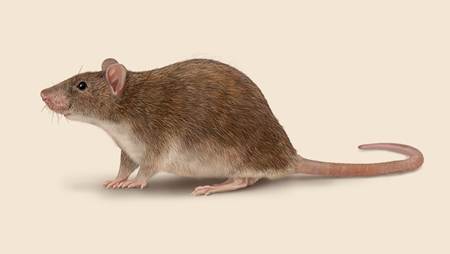
Norway Rat (Rattus Norvegieus)
The Norway rat is also commonly known as brown rat or sewer rat. They are larger and heavier than other rodent species. Norway rats are omnivores, meaning they eat both plant and animal matter. They commonly search for food near drains, waste areas, food storage areas, commercial kitchens, and sewer systems. They often find areas such as basements and warehouses ideal for nesting.
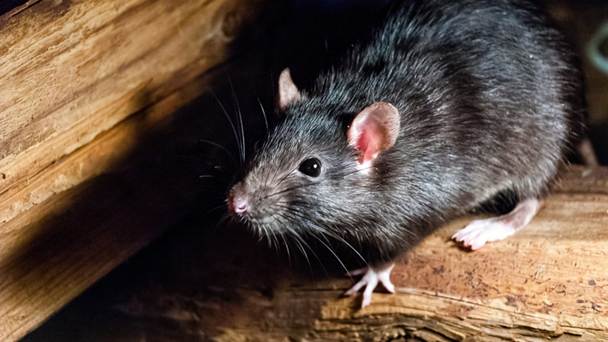
Roof Rat (Rattus rattus)
The roof rat, also known as the black rat, is a highly agile climbing rodent commonly found nesting in elevated areas. They often enter roof voids, attics, ceilings, wall cavities, and garages. Unlike Norway rats, roof rats prefer higher nesting locations and can move easily through trees, fences, and utility lines surrounding buildings. Homes with overhanging branches or accessible roof gaps may experience increased roof rat activity.
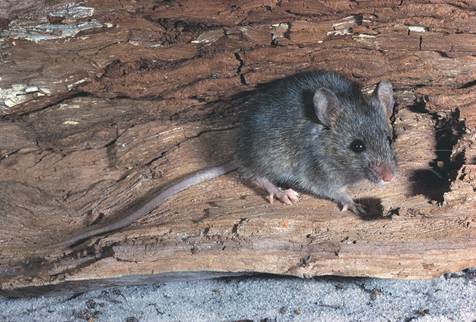
House Mouse
The house mouse is one of the most widespread rodent species across both rural and urban Australia. House mice reproduce rapidly and are especially well known for the cyclic mouse plagues affecting agricultural regions throughout the country. House mice frequently invade kitchens, pantries, food storage rooms, warehouses, and commercial facilities.
Why Rodents Become Visible Near Homes
Rodents move closer to homes and buildings because they search for environments that support survival and nesting.
The main attractions include:
Warm shelter
Reliable water sources
Accessible food
Quiet nesting areas
Rodent activity often becomes more noticeable during colder weather, wet seasons, drought periods, and lack of food outdoors. As outdoor conditions become less favourable, rodents actively search for stable indoor environments.
Read more what we wrote about clean houses that still have pest infestation here. (internal link for the blog ‘why clean houses still have pest infestations’)
Hazards and Property Risks
Rodents create far more than simple nuisance problems. Ongoing rodent activity can lead to serious property and operational risks.
Physical Damage
Rodents constantly gnaw to manage the growth of their teeth. This behaviour may damage timber, pipes, insulation, plasterboard, stored belongings, and packaging materials. Rodents also leave urine contamination, droppings, and greasy rub marks along walls and pathways.
These signs often indicate repeated rodent movement throughout the property.
Fire Risks
One of the most serious rodent hazards involves electrical damage. Rodents frequently chew electrical cable insulation, exposing live wiring and increasing the risk of electrical faults, short circuits, and fire hazards. This risk is especially concerning inside roof voids and hidden wall cavities where rodent activity may remain unnoticed.
Economic Loss
Rodent infestations contribute to major economic losses across homes, restaurants, warehouses, and agricultural facilities. Damage commonly includes food contamination, crop loss,structural repairs, inventory damage, and operational damage.
Health Risks and Diseases
Rodents may also contribute to various health and contamination risks.
Leptospirosis – A bacterial infection associated with water or soil contaminated by rodent urine. This disease may affect kidneys, liver, and overall health.
Salmonellosis – Rodents may salmonellosis through contamination of food surfaces, food storage areas, and kitchen environments. Rodent urine and droppings can pose food poisoning risks if contamination occurs.
Rat-Bite Fever – A bacterial illness linked to rodent bites, scratches, and direct contact with infected rodents.
Flea and Tick-Borne Diseases – Rodent fleas and lice may also spread typhus-type illnesses in certain environments.
While not every rodent carries disease, infestations should still be addressed quickly to reduce contamination and hygiene concerns.
Rodent Infestations: What Can You Do?
Preventative rodent control focuses on reducing the conditions that attract rodents in the first place.
Reduce Food Access – Storing food in sealed containers, cleaning food residue promptly, securing rubbish bins and avoiding pet food left exposed overnight.
Eliminate Water Sources – Repairing leaking pipes, improving drainage, reducing standing water, and monitoring moisture-prone areas
Seal Entry Points – Closing structural gaps, repairing damaged vents and screens, and inspecting roof access points
Reduce Clutter – Organizing storage areas, maintaining sheds and garages, and trimming vegetation near buildings
Consistent prevention helps reduce long-term rodent risks around homes and businesses.
Rodent Control: What to Expect
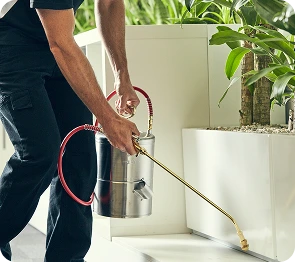
Professional rodent control involves much more than placing traps or bait stations.
Effective rodent control usually begins with a detailed inspection to identify rodent pathways, nesting areas, entry points, food and water sources, and structural vulnerabilities.
Different environments require different rodent control strategies depending on property, rodent species, infestation severity, and environmental conditions.
Professional rodent control programs may also include:
Monitoring systems
Prevention strategies
Ongoing inspections
Tailored treatment plans
This proactive approach helps reduce recurring infestations and supports longer-term protection.
By addressing hidden vulnerabilities early and maintaining proactive rodent management strategies, homeowners and businesses can better protect their property, hygiene standards, and overall safety.
Concerned about rodents? Contact CPS today to book a professional inspection and protect your property from further activity.
We acknowledge the Traditional Custodians of Country throughout Australia and their connections to land, sea, and community.
We pay our respect to their Elders past and present and extend that respect to all Aboriginal and Torres Strait Islander peoples today.


![[alt text: Australian native rodent found in Victoria | photo ref: Museum Victoria]](https://competitivepestcontrol.com.au/wp-content/uploads/2026/06/image-3.jpg)