Send us a message and one of our specialists pest managers will be in touch
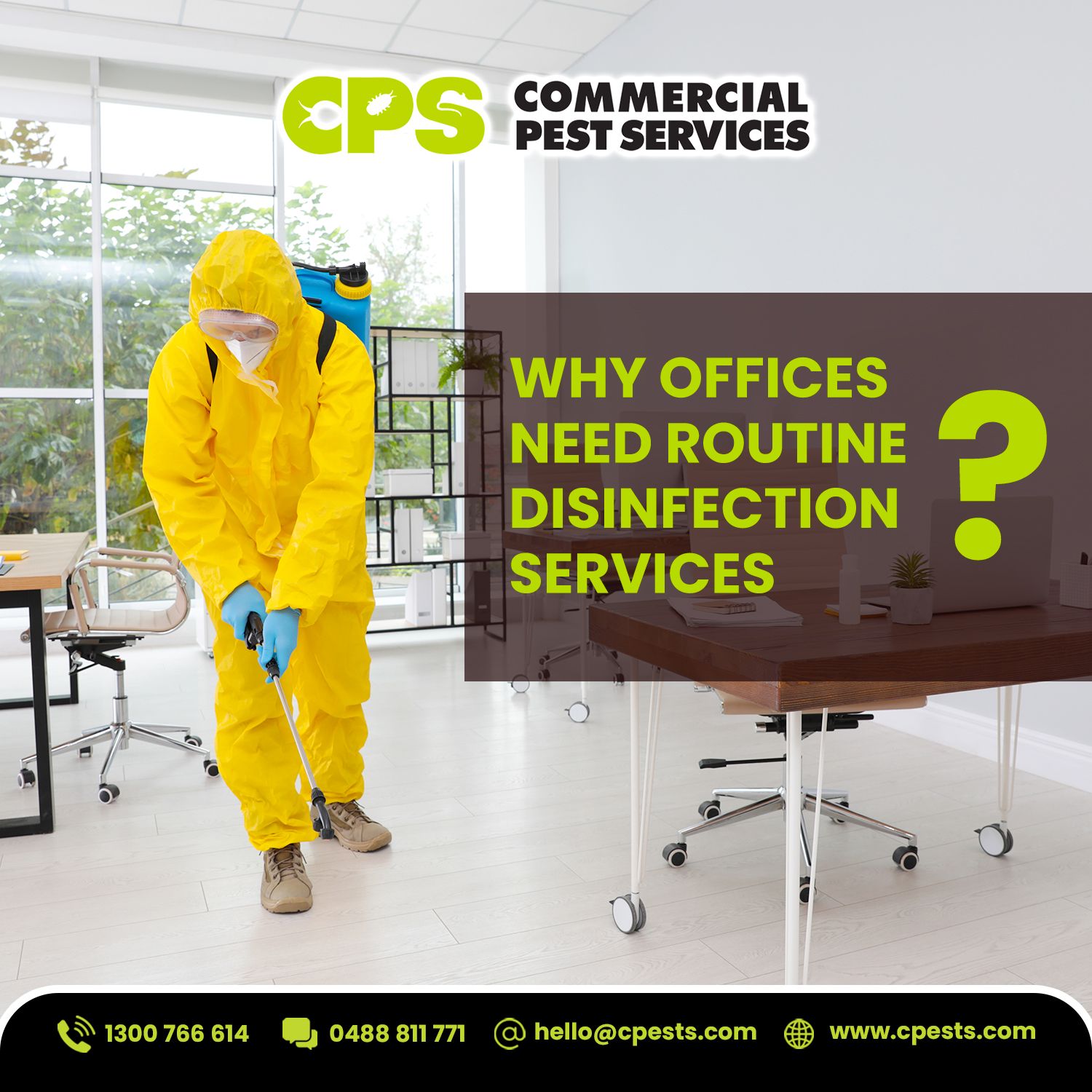
Why Offices Need Routine Disinfection Services | Office Hygiene and Disinfection
June 6, 2026
“Workplace is your second home”. A phrase many employers and employees continue to value today. People spend a large portion of their day inside office environments, making workplace comfort, cleanliness, and safety important parts of daily operations. Therefore, a positive work environment is more important than ever, now involving more than suitable compensation or modern […]
“Workplace is your second home”.
A phrase many employers and employees continue to value today. People spend a large portion of their day inside office environments, making workplace comfort, cleanliness, and safety important parts of daily operations.
Therefore, a positive work environment is more important than ever, now involving more than suitable compensation or modern office design. Employees also expect healthy working environments, safe shared spaces, and hygienic facilities that support their wellbeing throughout the workday.
Routine disinfection at offices helps businesses maintain cleaner, healthier, and more comfortable work environments while supporting workplace professionalism and employee satisfaction.
Why Office Hygiene Matters More Than Ever
Modern offices are complex environments with multiple shared spaces that require different cleaning approaches and hygiene frequencies.
Common office areas include shared workstations, reception counters, meeting rooms, kitchen and break rooms, bathrooms, elevators and shared office equipment. Each area experiences different levels of daily traffic and surface contact.
[alt text: office with shared workstations and desks | photo ref: google]
Without structured office hygiene protocols, cleaning teams may miss important tasks, hygiene standards may decline over time, and facility managers can lose visibility over workplace hygiene consistency.
A structured office cleaning checklist helps businesses maintain:
● Accountability
● Consistency
● Safer shared environments
● Better operational hygiene
● Workplace health and safety compliance
Office hygiene is no longer viewed as appearance-based cleaning alone. It now forms part of broader workplace wellbeing and operational risk management strategies.
Workplace Hygiene and WHS Compliance Under the Work Health and Safety Act 2011, persons conducting a business or undertaking (PCBUs) must ensure workplaces remain safe and hygienic for employees and visitors.
This includes responsibilities such as:
● Providing clean bathrooms
● Maintaining safe floor surfaces
● Managing waste appropriately
● Supporting indoor air quality
● Reducing biohazard risks
● Maintaining hygienic communal areas
For many businesses, office disinfection and hygiene management now forms part of a wider workplace health and safety strategy.
Cleaning is not simply a maintenance task. It also acts as a practical work health and safety control measure that supports safer and healthier office operations.
Why Cleaning Alone Is Not Enough
Many businesses assume routine cleaning fully protects workplace hygiene. However, cleaning, sanitising, and disinfection each serve different purposes.
Understanding these differences helps businesses build more effective office hygiene protocols.
Cleaning
Cleaning removes first, dust, oil, and surface debris. It improves appearance and general hygiene but it does not specifically eliminate disease-causing microorganisms.
Sanitizing
Sanitising reduces surface bacteria to lower contamination levels. However sanitizing does not eliminate viruses, fungi, and broader microbial contamination. Sanitization supports basic hygiene management but does not fully address high-touch workplace risks.
Disinfection
Disinfection works at a higher level than cleaning or sanitising. Professional disinfection targets bacteria, viruses, fungi, and harmful microorganisms.
Routine disinfection at offices helps businesses maintain healthier shared environments, particularly in high-contact zones used throughout the workday.
What Disinfection at Offices Looks Like
Professional office disinfection and hygiene programs focus on areas employees interact with frequently throughout the day.
High-Touch Surface Disinfection
Common touchpoints such as door handles, lift buttons, kitchen appliances, meeting room tables, and reception counters must be cleaned and disinfected frequently.
Because these surfaces experience constant daily contact, regular monitoring and routine disinfection remain important.
Daily, Weekly, and Monthly Hygiene Requirements
Different office areas require different cleaning frequencies depending on traffic levels and usage.
Structured office hygiene protocols help businesses maintain consistency across all cleaning schedules.
The Importance of Indoor Air Quality
Many businesses focus only on visible surfaces while overlooking indoor air quality management.
Poor indoor hygiene may contribute to:
● Dust accumulation
● Allergens
● Workplace discomfort
● Stale indoor environments
Routine office disinfection and hygiene programs often support healthier indoor conditions by reducing contaminant buildup across shared office environments.
Good ventilation and regular cleaning also contribute to more comfortable workspaces for employees and visitors.
Office Hygiene Checklist for Businesses
A practical office hygiene checklist helps businesses maintain stronger workplace hygiene standards throughout the year.
● Work Health and Safety Compliance – Maintain safe and hygienic environments aligned with WHS responsibilities.
Areas Daily Weekly Monthly
Workstations & Desks ✔
Meeting rooms ✔
Kitchen & Break rooms ✔
Carpets and Floor ✔ ✔
Internal windows &
glass ✔ ✔
Ventilation system ✔
● Indoor Air Quality Management – Reduce dust, allergens, and ventilation-related hygiene issues.
● Slip and Trip Hazard Prevention – Manage spills, clutter, and unsafe floor conditions promptly.
● Food Safety in Office Kitchens – Maintain clean shared fridges, microwaves, sinks, and food preparation spaces.
● Green Cleaning Compliance – Use environmentally responsible products and sustainable hygiene practices where appropriate.
Why Professional Disinfection Services Matter
Routine workplace cleaning supports daily office presentation, but professional disinfection services help businesses maintain more structured and preventative hygiene systems.
Professional office disinfection and hygiene services may include:
● Tailored hygiene schedules
● Regular monitoring
● High-touch surface disinfection
● Detailed reporting
● Deep disinfection treatments
● Workplace hygiene assessments
Because every workplace operates differently, customised hygiene programs often provide better long-term consistency than general cleaning alone. In addition, professional hygiene teams can identify overlooked risk areas in shared workspaces, kitchens, meeting rooms, and high-traffic office zones.
As a result, this proactive approach helps businesses maintain stronger hygiene standards while supporting healthier, safer, and more comfortable workplaces. Learn more about our disinfection services.
FAQs About Office Disinfection and Hygiene
Why is routine disinfection important in offices?
Routine disinfection at offices helps reduce contamination risks, maintain healthier shared spaces, and support workplace hygiene standards.
What is the difference between cleaning and disinfection?
Cleaning removes dirt and debris, while disinfection targets bacteria, viruses, and fungi at a much higher level.
How often should offices schedule disinfection services?
The frequency depends on office size, employee traffic, shared facilities, and workplace usage patterns.
What areas should offices disinfect regularly?
Businesses should regularly disinfect high-touch surfaces such as desks, door handles, shared equipment, kitchens, bathrooms, and meeting rooms.
Does office hygiene affect workplace satisfaction?
Yes. Cleaner and more hygienic workplaces often contribute to better employee comfort, confidence, and workplace experience.
CPS can provide routine disinfection services, workplace hygiene support, high-touch surface treatment, and tailored hygiene schedules for your office.Concerned about cockroach activity in a healthcare facility?
Need support maintaining a cleaner, healthier office environment? Contact CPS today to arrange a professional inspection and tailored treatment plan.
We acknowledge the Traditional Custodians of Country throughout Australia and their connections to land, sea, and community.
We pay our respect to their Elders past and present and extend that respect to all Aboriginal and Torres Strait Islander peoples today.