Send us a message and one of our specialists pest managers will be in touch
How Air Conditioning Vents Become Pest Entry Points in Buildings
June 7, 2026
Air Conditioning Vents in Buildings and How They Become a Pest Entry Point When businesses think about pest entry points, doors, windows, and cracks in walls are usually the first areas that come to mind. However, air conditioning vents and HVAC systems are often one of the most overlooked high-risk areas in commercial buildings. Air […]
Air Conditioning Vents in Buildings and How They Become a Pest Entry Point
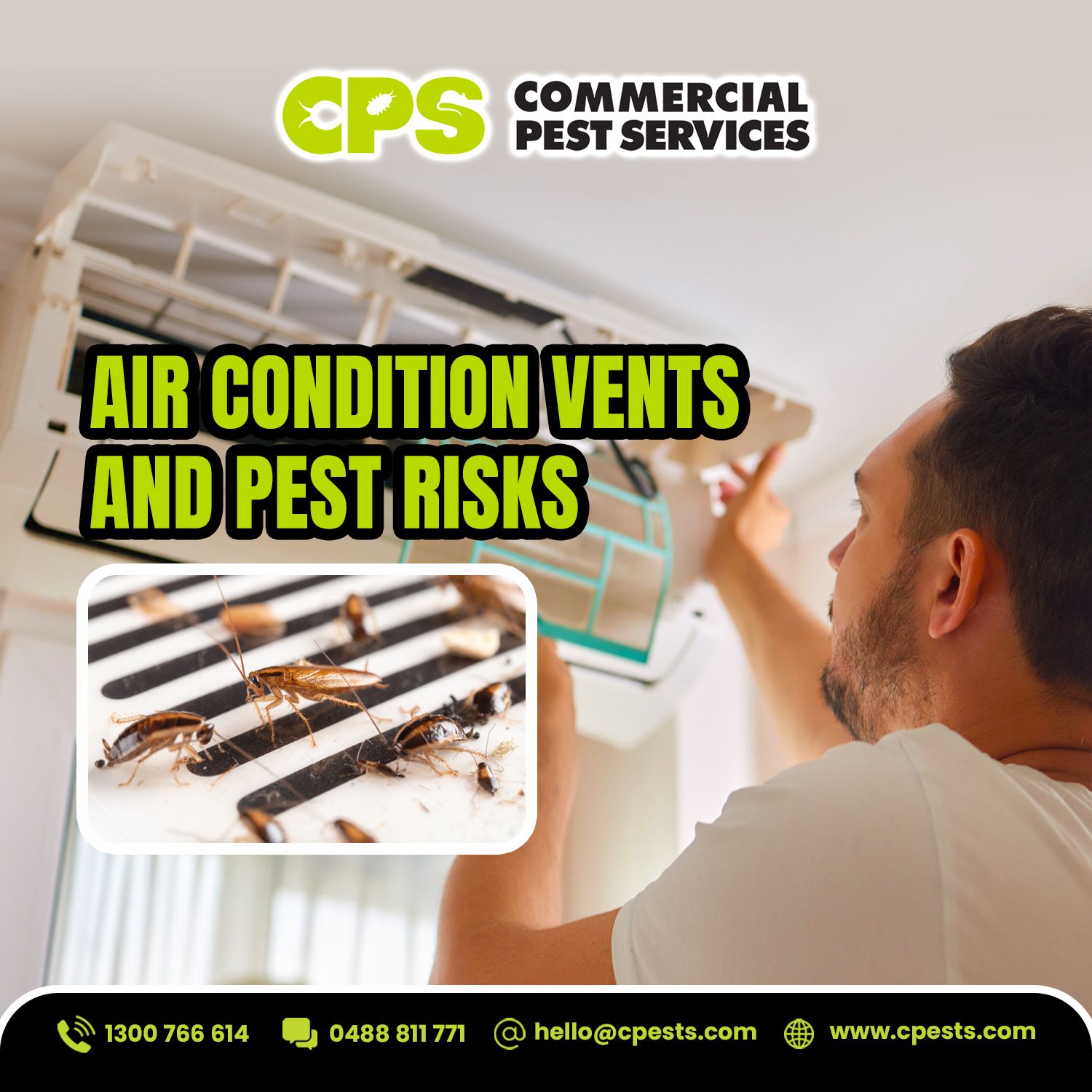
When businesses think about pest entry points, doors, windows, and cracks in walls are usually the first areas that come to mind. However, air conditioning vents and HVAC systems are often one of the most overlooked high-risk areas in commercial buildings.
Air conditioning systems constantly connect indoor and outdoor environments through vents, ducts, drain lines, and outdoor units. These spaces can unintentionally create hidden pathways for pests searching for warmth, shelter, moisture, and food sources. Because much of the system is concealed behind walls or ceilings, pest activity can often go unnoticed until the problem becomes more serious.
Why Air Conditioning Vents Are High-Risk Areas
Air conditioning systems naturally create conditions that many pests find attractive. Moisture from condensation, dark enclosed spaces, and limited disturbance can make vents and duct systems ideal hiding spots for insects and rodents.
Outdoor HVAC units are also easily accessible from gardens, rooftops, and exterior walls. Small gaps around ducts, damaged vent covers, or poorly sealed openings can allow pests to move indoors without being noticed.
During colder months, the warmth generated by HVAC systems may also attract pests looking for shelter. Cockroaches, ants, spiders, and even rodents can travel through vents or nest near outdoor units where conditions remain stable and protected.
In some cases, birds may also gather around outdoor systems, creating nesting debris that can affect airflow and cleanliness around the equipment.
The Risks of Pest Activity Around HVAC Systems
Pests inside or around air conditioning systems can create more than just an inconvenience. Over time, they may contribute to infrastructure damage, hygiene concerns, and increased maintenance costs for businesses.
Rodents, for example, may chew on wires, insulation, or internal components within HVAC systems. This can lead to equipment malfunctions and costly repairs. Pest debris and nesting materials may also block drain lines or airflow, contributing to moisture build-up and ventilation problems.
Another concern is indoor air quality. Dust, droppings, allergens, or contamination circulating through vents can affect the cleanliness and comfort of indoor environments. In commercial properties such as offices, healthcare facilities, hospitality venues, and food-related businesses, maintaining clean airflow systems is particularly important for staff wellbeing and customer confidence.
Persistent moisture issues around HVAC systems may also encourage mold growth, creating additional hygiene and maintenance challenges.
How to Help Prevent Pest Issues Around Air Conditioning Systems
Taking preventative action early can help reduce the risk of pests entering through HVAC systems and vents.
Seal gaps and install vent screens to help block insects and rodents from accessing ducts and openings.
Clean outdoor air conditioning units regularly by removing leaves, dust, and debris that may create hiding spots for pests.
Inspect vents, ducts, and HVAC systems frequently for signs of damage, moisture build-up, or pest activity.
Repair leaks and manage moisture levels promptly to prevent damp conditions that attract pests.
Keep surrounding areas clean and uncluttered to reduce nesting and shelter opportunities near outdoor units.
Trim vegetation around HVAC systems to limit easy access from gardens or exterior walls.
Schedule routine professional maintenance to identify hidden issues before they develop into larger infestations.
By maintaining clean, sealed, and well-monitored air conditioning systems, businesses can help protect indoor environments from unwanted pest activity.
Don’t Overlook Hidden Pest Entry Points
Air conditioning systems are essential for maintaining comfortable indoor environments, but they can also become hidden access points for pests if not properly maintained.
Regular inspections, moisture control, and preventative maintenance can help businesses reduce pest risks while supporting cleaner and healthier indoor spaces. If you are concerned about pest activity around your air conditioning vents or HVAC systems, consulting a professional pest control provider can help identify hidden risks and recommend suitable preventative solutions.
We acknowledge the Traditional Custodians of Country throughout Australia and their connections to land, sea, and community.
We pay our respect to their Elders past and present and extend that respect to all Aboriginal and Torres Strait Islander peoples today.