Send us a message and one of our specialists pest managers will be in touch
Rainy Season and Pest Activity in Australia
June 8, 2026
Rainy weather across Australia often brings cooler temperatures, and greener landscapes from dry conditions. However, it also creates the perfect environment for increased pest activity. During and after heavy rainfall, many pests move indoors searching for shelter, food, and dry spaces. Wet conditions can flood nesting areas, increase moisture levels, and create standing water around […]
Rainy weather across Australia often brings cooler temperatures, and greener landscapes from dry conditions. However, it also creates the perfect environment for increased pest activity. During and after heavy rainfall, many pests move indoors searching for shelter, food, and dry spaces.
Wet conditions can flood nesting areas, increase moisture levels, and create standing water around homes and commercial properties. As a result, homeowners often notice more cockroaches, mosquitoes, ants, rodents, and even termites during the rainy season.
Understanding how rain affects pests can help property owners take simple preventative steps before minor pest problems become larger infestations.
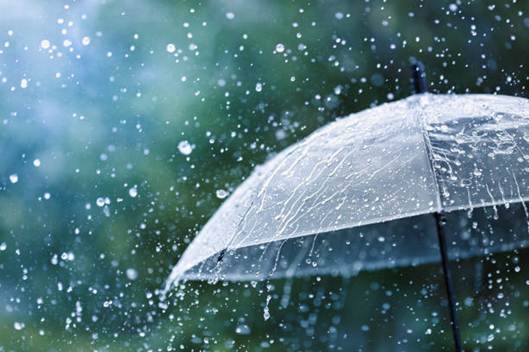
[alt text: rainy season in Australia | photo reference: iStock]
What Is the Rainy Season Like in Australia?
Australia experiences different rainfall patterns depending on the region. Northern tropical areas typically experience heavy wet seasons, while eastern and southern regions often see seasonal storms and prolonged periods of rainfall throughout the year.
On average, Australia receives around 465 mm of rainfall annually, although some regions experience significantly higher rainfall during storm seasons and wetter months.
These changing weather conditions directly affect pest behaviour. Heavy rain and increased humidity often force pests to relocate from outdoor habitats into homes, offices, garages, and commercial buildings.
At the same time, excess moisture creates ideal breeding conditions for insects and other pests that thrive in damp environments.
Why Rainy Weather Drives Pests Indoors
Heavy rainfall can disrupt pest habitats very quickly. Flooded burrows, overflowing drains, and waterlogged soil often force pests to search for dry and protected areas indoors.
Standing water also becomes a major issue during wet weather. Puddles, blocked gutters, garden pots, and outdoor containers create ideal breeding grounds for mosquitoes and other insects. Even small amounts of stagnant water can increase mosquito activity around properties.
Humidity also plays a large role in pest activity during rainy seasons. Damp conditions support pest survival and encourage pests such as cockroaches, ants, and termites to remain active for longer periods.
In some cases, storms and heavy rain can damage outdoor nesting areas, causing pests to relocate into roof voids, storage spaces, wall cavities, and kitchens where food and warmth are easier to access.
If you are already noticing signs of pest activity around your property, regular preventative maintenance and early inspections can help reduce long-term risks. You can also learn more about common pest prevention strategies on our homepage or explore our related blogs for seasonal pest control tips.
Common Pests Seen More During Rainy Season
Cockroaches
Cockroaches thrive in humid and damp environments. During heavy rainfall, they often enter buildings through drains, pipes, cracks, and small gaps around doors or windows. Kitchens, bathrooms, and laundry areas commonly attract cockroaches because of moisture and food residue.
Mosquitoes
Mosquito activity increases significantly after rainfall due to standing water. Blocked gutters, bird baths, garden pots, and puddles can quickly become mosquito breeding sites during wet weather.
Ants
Rain can destroy outdoor ant colonies and force ants indoors searching for dry shelter and food. Homeowners often notice increased ant trails in kitchens and storage areas during prolonged rainy periods.
Rodents
Flooded burrows and overflowing drains may push rodents into homes, garages, and commercial buildings. Rodents typically seek warmth, shelter, and accessible food sources during storms and wet conditions.
Termites
Moisture creates ideal conditions for termites. Wet timber and damp soil can increase termite activity around homes and buildings, especially after long periods of rainfall.
How Homeowners Can Help Prevent Pest Problems
Simple preventative steps can help reduce pest activity during rainy seasons.
Clear blocked gutters and drains regularly
Empty stagnant water from pots and outdoor containers
Seal cracks and small entry points around doors and windows
Maintain gardens and trim overgrown vegetation
Store firewood and outdoor materials away from walls
Clean kitchens and food areas regularly
Monitor damp areas and fix leaks promptly
Keeping properties clean, dry, and well-maintained can make a significant difference during wetter months.
Look Out for Pest Activity with Seasonal Change
Increased pest activity during rainy seasons is common across Australia, especially after heavy storms and prolonged wet weather. However, early prevention can help reduce the risk of infestations and property damage.
Managing moisture, removing standing water, and maintaining clean surroundings are important steps in seasonal pest prevention. If you notice increased pest activity around your property during rainy weather, consulting a professional pest control provider can help identify hidden risks and recommend suitable solutions.
We acknowledge the Traditional Custodians of Country throughout Australia and their connections to land, sea, and community.
We pay our respect to their Elders past and present and extend that respect to all Aboriginal and Torres Strait Islander peoples today.