Send us a message and one of our specialists pest managers will be in touch
Food Residues at Homes: What Attracts Ants Indoors?
June 8, 2026
Ants are one of the most common household pests found in Australian homes. Many homeowners notice ants in kitchens, pantries, dining areas, and pet feeding spaces throughout the year. While a few ants may not seem serious at first, they often signal that food sources are nearby. In most cases, food residue attracts ants indoors […]
Ants are one of the most common household pests found in Australian homes. Many homeowners notice ants in kitchens, pantries, dining areas, and pet feeding spaces throughout the year. While a few ants may not seem serious at first, they often signal that food sources are nearby.
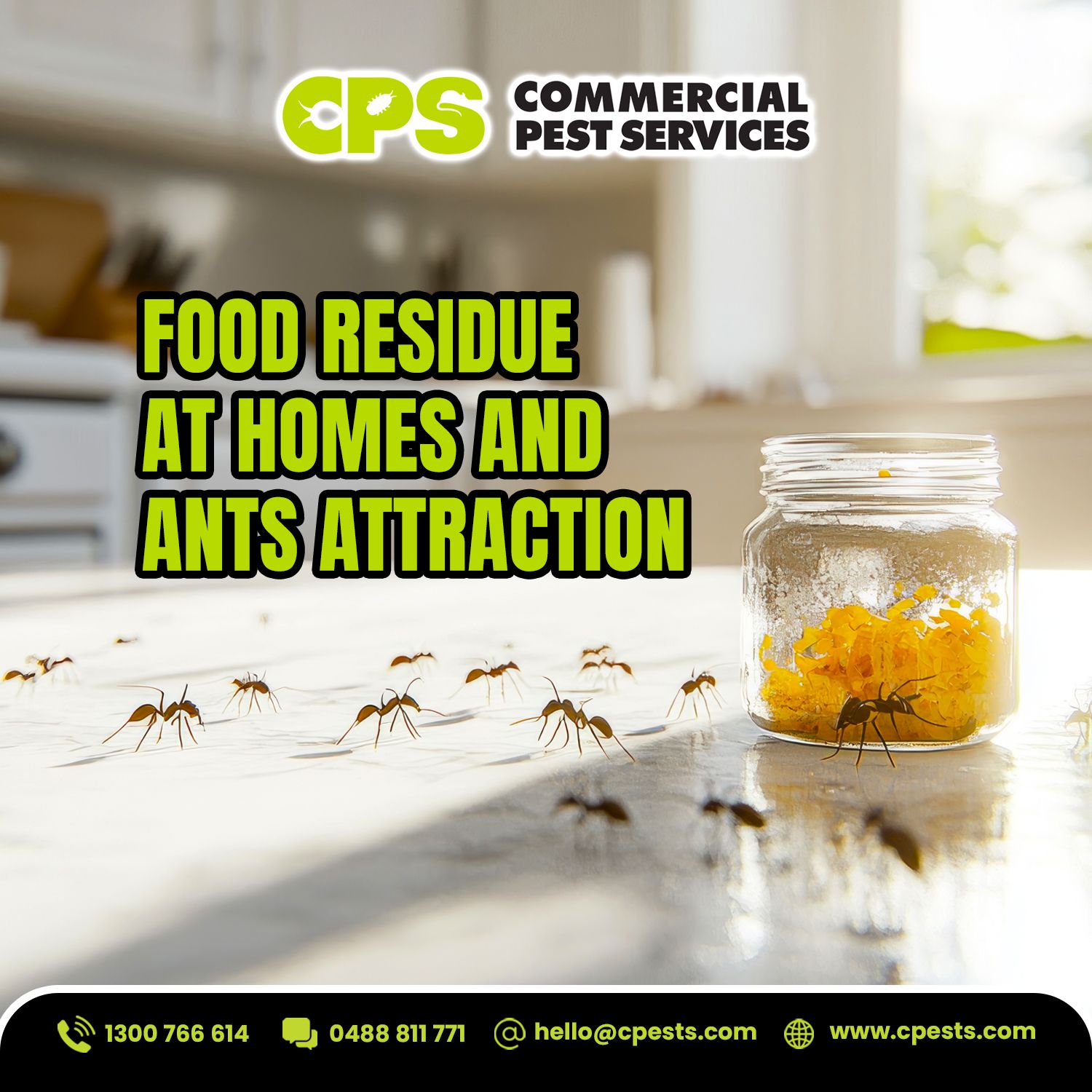
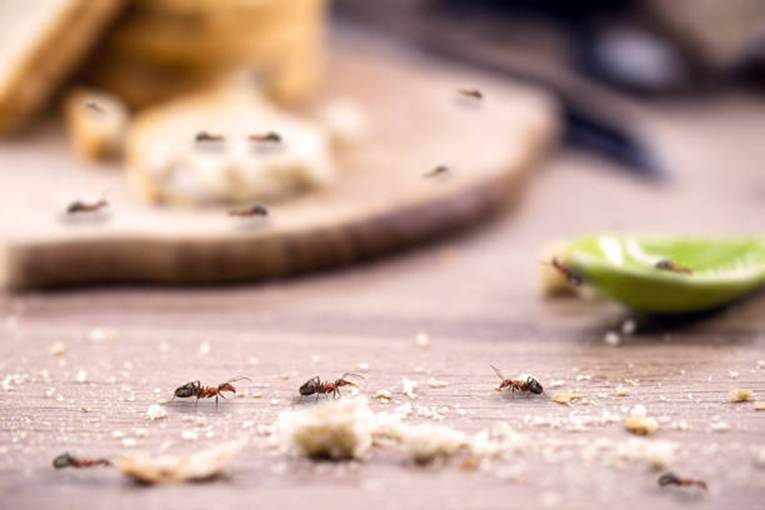
In most cases, food residue attracts ants indoors very quickly. Even small crumbs, sticky spills, or leftover food can encourage ants to enter homes searching for food and moisture. Once ants locate a reliable food source, they leave scent trails for other ants to follow. As a result, small ant problems can quickly grow into larger infestations.
Understanding what attracts ants indoors can help homeowners take early preventative steps before ant activity becomes more difficult to manage.
Why Food Residues Attract Ants Indoors
Ants constantly search for food and water to support their colonies. Kitchens and food preparation areas often provide easy access to both. Even tiny amounts of food residue can attract scout ants into homes.
Crumbs left on kitchen floors, countertops, sofas, or under appliances commonly attract ants indoors. In addition, sticky residues from sauces, honey, syrup, soft drinks, and condiments can quickly become feeding spots for ants.
Dirty dishes left in the sink overnight may also increase ant activity. Food residue on plates, cups, and utensils creates an easy food source, especially during warmer weather.
Pet food left out overnight is another common reason for ants in homes. Food particles and moisture around pet bowls can attract ants very quickly if feeding areas are not cleaned regularly.
Uncleaned spills, overflowing rubbish bins, and food packaging residue can also encourage ants to remain indoors for longer periods. Once ants identify consistent food access, they usually continue returning to the same areas.
Common Areas Where Ants Are Usually Found
Ants often gather in areas where food and moisture are easily available.
Kitchens
Pantries & Cupboards
Hidden spaces – under refrigerators, dishwashers, microwaves, & ovens
Pet feeding areas
Garbage and Recycling bins
Such areas in homes are a high-risk area for ants and other pests. Thus, it is critical to clean regularly, keep them sanitized to prevent potential pest entry and infestations.
Fortunately, simple household habits can help reduce the risk of ant infestations. Regular cleaning and proper food storage are some of the most effective ways to prevent ants at home.
Clean Food Residues Quickly
Wipe countertops, tables, and kitchen surfaces regularly to remove crumbs and sticky residues. Furthermore, sweep or vacuum floors frequently, especially after meals and cooking.
Clean spills immediately before ants can locate food sources. Pay extra attention to sugary drinks, syrups, sauces, and pet food spills.
Store Food Properly
Seal pantry items and dry foods in airtight containers whenever possible. Open food packaging can easily attract ants into cupboards and storage areas.
Avoid leaving fruit, snacks, or uncovered food exposed on kitchen benches for long periods.
Manage Pet Food Carefully
Remove pet food bowls overnight if possible. Additionally, clean feeding areas regularly to prevent food build-up and moisture around bowls.
Reduce Moisture Indoors
Fix leaking taps, pipes, and drains promptly to reduce moisture sources around the home. Dry sinks and wet surfaces regularly to make indoor spaces less attractive to ants.
Seal Entry Points
Inspect gaps around windows, doors, kitchen cabinets, and walls. Sealing cracks and small openings can help prevent ants from entering indoors.
Maintain Regular Cleaning
Empty rubbish bins frequently and clean bins regularly to remove food residue. In addition, clean under appliances and furniture where crumbs often collect unnoticed.
Consistent cleaning habits can significantly reduce recurring ant activity indoors.
When Ant Problems Become Larger Infestations
Sometimes, ant activity continues even after regular cleaning and prevention efforts. Large numbers of ants, repeated ant trails, or activity across multiple rooms may indicate a larger infestation nearby.
In some cases, ants may build nests inside wall cavities, gardens, roof spaces, or beneath flooring. Outdoor colonies may also continue sending ants indoors searching for food and moisture.
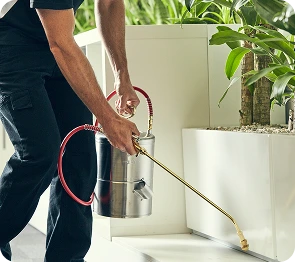
Professional pest control providers can help identify the ant species, locate hidden nesting areas, and detect entry points around the property. They may also apply targeted treatments designed to reduce ant activity safely and effectively.
Additionally, professionals can recommend long-term prevention strategies based on the condition of the property and surrounding environment.
Explore how we handle ants control for your homes.
Small Habits Can Make a Big Difference
Food residues may seem harmless, but they are often the main reason ants enter homes. Crumbs, sticky spills, dirty dishes, and leftover pet food can quickly attract ants indoors if left unmanaged.
Fortunately, regular cleaning, proper food storage, and moisture control can help reduce the risk of ants in homes significantly.
Early Prevention is recommended than Reactive Treatment.
Contact CPS today to arrange a professional inspection and tailored treatment plan.
We acknowledge the Traditional Custodians of Country throughout Australia and their connections to land, sea, and community.
We pay our respect to their Elders past and present and extend that respect to all Aboriginal and Torres Strait Islander peoples today.