Send us a message and one of our specialists pest managers will be in touch
Starling Management for Commercial Buildings: Prevention, Proofing, and Control
June 23, 2026
Starling management in Australia is one of the most difficult things to control because the bird population rapidly reproduces. Starling bird problems typically create noise, corrosive droppings damage the building, and contaminate food and crops. However, starling control strategies have different ways to handle effectively. Bird Control & Control Strategy A critical component of starling […]
Starling management in Australia is one of the most difficult things to control because the bird population rapidly reproduces. Starling bird problems typically create noise, corrosive droppings damage the building, and contaminate food and crops. However, starling control strategies have different ways to handle effectively.
Bird Control & Control Strategy
A critical component of starling management Australia-wide, especially in commercial and industrial sites, where large flocks of European starlings can cause significant nuisance. These birds often thrive in sheltered areas such as roof ledges, gutters, vents, and holes in building structures, making exclusion and proofing essential to prevent nesting and roosting. Effective bird control involves a combination of methods tailored to site conditions and the specific behaviors of starlings.
European Starlings
Characteristic
Description
Size
Approximately 20 cm (8 inches) in length with a wingspan of 31-44 cm (12-17 inches).
Weight
Typically weighs between 75-90 grams (2.6-3.2 ounces).
Appearance
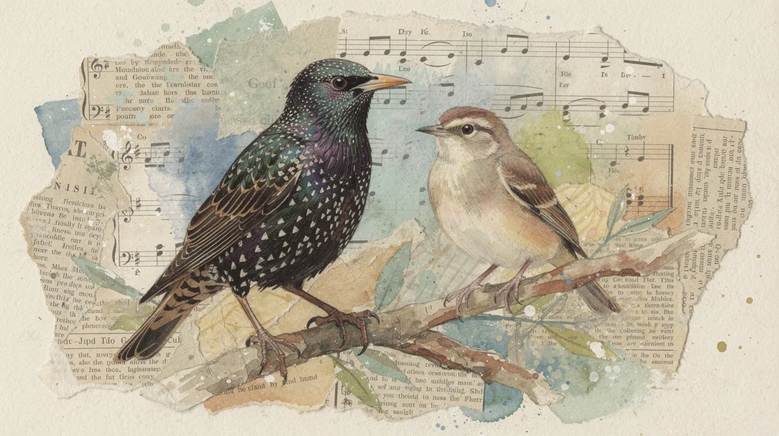
Glossy black feathers with iridescent purple and green hues, especially noticeable in breeding season.
Behavior
Highly social, often forming large flocks.
Adaptability
Thrives in urban and rural environments, nesting in cavities and man-made structures.
How do you know the Starling’s active nest?
Identifying an active starling nest is essential for effective control. Key signs include:
Noisy begging nestlings: Distinct sounds often heard from inside vents or cavities, amplified by the structure.
Accumulation of droppings: droppings beneath entrances like roof voids, vents, or ledges.
Increased bird activity: Adult starlings are frequently flying to and from the nesting site to feed young.
Visible nesting materials: Twigs, leaves, and debris gathered around potential nesting spots.
Scratching or shuffling noises: Sounds amplified by vents or cavities indicating movement inside.
Regular inspections for these signs allow early intervention before eggs hatch, helping prevent infestation and supporting humane, legal starling management.
Practical control strategy for the properties:
Bird Spikes: 10m bird spikes are often installed on the roofs to prevent starlings from roosting or nesting in certain areas. During installation, bird spikes should be placed in the safest areas to avoid harming other bird species.
Bird Netting: Bird netting can cover spaces such as vents and roof voids, blocking access to active nests and young birds.
Visual deterrents: Scare tactics, such as reflective objects, scarecrows ( fake owls) and sound devices, temporarily deter starlings by exploiting their natural fear and sense of danger. Starlings are intelligent, so these methods are most effective when used in combination with physical exclusion and environmental management.
Methods
Description
Key Benefits
Sound Deterrents
Emit distress calls or predator noises to deter starlings, best when covering the entire property
Helps deter starlings effectively
Green Laser Technology
Uses a moving green light perceived as a threat to scare starlings away
Humane, practical, non-lethal, eco-friendly; effective for large flocks
A layered strategy is the most reliable way to control starlings, which includes removing food and nesting materials, blocking access to high-use areas, and applying long-term deterrents to make the property less attractive for repeat roosting.
Comprehensive starling management services often include site assessments to identify vulnerable areas and tailor solutions that address the root causes of starling infestation. Removing food sources, maintaining cleanliness, and sealing entry points are critical tips to reduce the attractiveness of the environment for starlings and other nuisance birds like sparrows and bluebirds.
In summary, successful starling control requires a layered strategy combining:
Exclusion techniques to block nesting and roosting sites
Use of deterrents such as sound devices and green laser technology
Humane methods that protect surrounding wildlife and community health
By implementing these effective bird control methods, property owners can safeguard their land, infrastructure, and the health of humans and animals alike.
Starling Breeding Season
Starlings are mostly found during their breeding season, which typically runs from September to January in Australia.
Wildlife animals Prevention from unnecessary tactics
To prevent harm to wildlife like starlings, preventive solutions include sealing entry points with suitable materials (e.g., hardware cloth or metal flashing) for sealing entry points are essential. Additional prevention steps include:
Removing food sources to reduce attraction
Using humane deterrents such as (Helpful Resource Site: green laser technology) and sound devices
Monitoring nesting activity regularly to act early before eggs or young birds are present
These methods help protect both the property and the birds without causing harm.
How to get rid of starlings effectively
Starlings live with a large number of birds, and it can spread the transmitted diseases. In agriculture, Scarecrow’s presence can disrupt starlings from nesting in the yard. A wide range of bird spikes and netting systems is very helpful in managing starling control.
Though starlings harm the building, humane techniques are really important from losing native species. Humane control also helps avoid legal issues related to bird protection laws and supports community values that prioritize animal welfare. Additionally, non-lethal methods reduce risks to other smaller birds and songbirds that might otherwise be affected by harsher control measures.
Contact CPS today to arrange a professional inspection and tailored treatment plan.
We acknowledge the Traditional Custodians of Country throughout Australia and their connections to land, sea, and community.
We pay our respect to their Elders past and present and extend that respect to all Aboriginal and Torres Strait Islander peoples today.