Send us a message and one of our specialists pest managers will be in touch
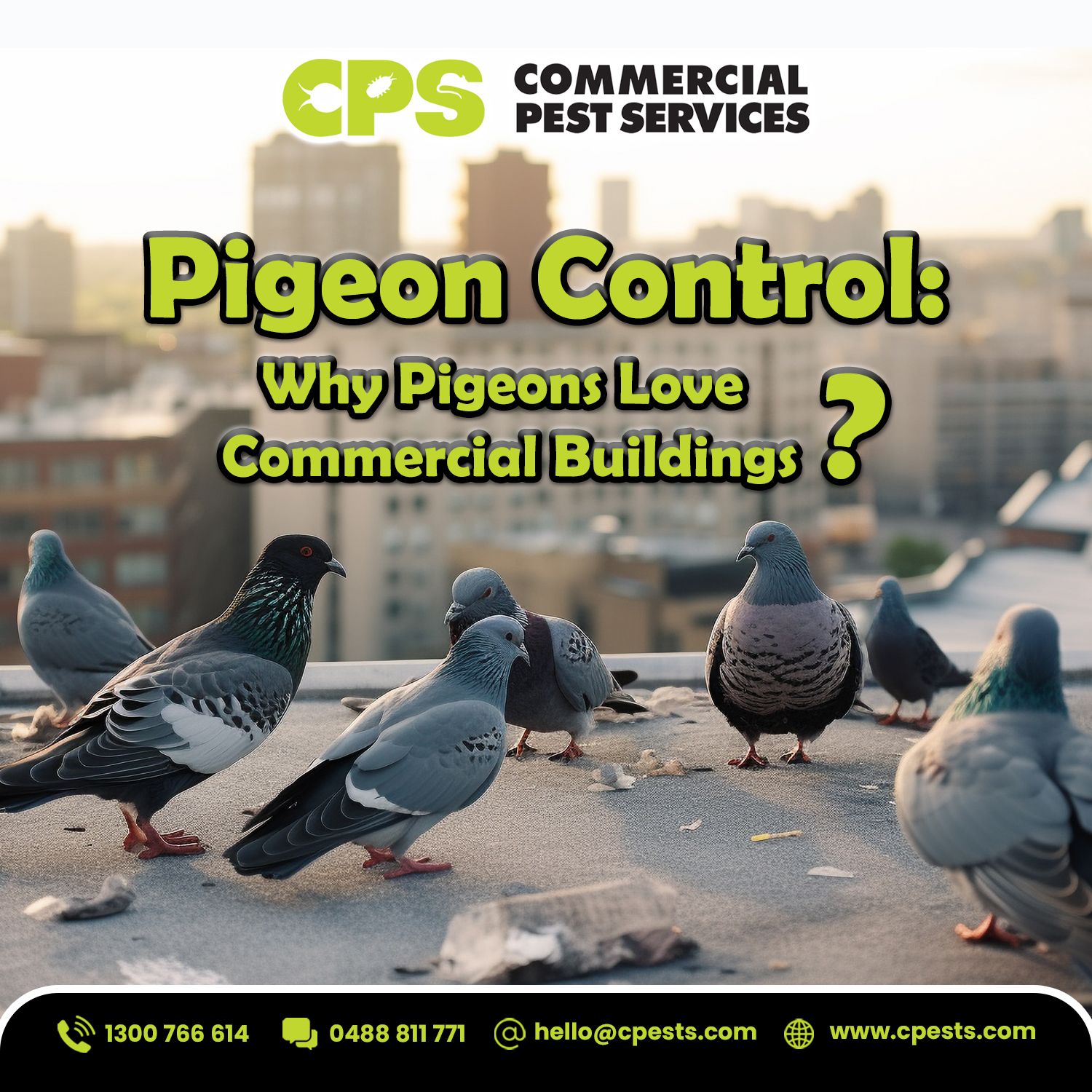
Pigeon Control: Why Pigeons Love Commercial Buildings
August 13, 2026
Pigeons have become a familiar sight across Australia. From busy city centres to regional areas, these birds have adapted remarkably well to living alongside people. However, pigeons are more than just common urban wildlife. They breed quickly, thrive in a wide range of environments, and often settle close to commercial buildings. As one of Australia’s most widespread bird species, […]
Pigeons have become a familiar sight across Australia. From busy city centres to regional areas, these birds have adapted remarkably well to living alongside people.
However, pigeons are more than just common urban wildlife.
They breed quickly, thrive in a wide range of environments, and often settle close to commercial buildings. As one of Australia’s most widespread bird species, unmanaged pigeon activity can create significant challenges for businesses and property owners.
Understanding pigeon behaviour and recognising the importance of professional pigeon control can help prevent problems before they escalate.
Get to Know Pigeons
The feral pigeon, also known as the rock dove, originally nested on cliffs and rocky ledges. Modern buildings now provide very similar environments.
Ledges, awnings, roof edges, signage, air-conditioning units, and building structures offer pigeons ideal places to rest and nest.
Pigeons also reproduce quickly. Under favourable conditions, they can breed throughout the year and raise multiple broods annually. As a result, small populations can grow rapidly if left unmanaged.
Because pigeons adapt so well to urban environments, commercial properties often experience recurring activity without preventative measures.
Why Are Pigeons Hazardous?
Many people view pigeons as harmless birds. However, large pigeon populations can affect both health and property.
Their Droppings Can Damage Buildings
Pigeon droppings contain acidic compounds that can gradually corrode building materials.
Over time, accumulated droppings may damage painted surfaces, metal structures, roofing materials, and signage. This often increases cleaning requirements and maintenance costs.
They Can Carry Harmful Organisms
Pigeons have been associated with bacteria and pathogens such as Salmonella and E. coli.
Although direct transmission is uncommon, contaminated surfaces and accumulated droppings can create hygiene concerns, particularly in sensitive environments.
Pigeon nesting materials can block gutters and drainage systems.
Bird activity may also contaminate food preparation areas, loading docks, outdoor seating spaces, and customer-facing environments.
As populations increase, these challenges often become more difficult to manage.
Why Are Pigeons Attracted to Buildings?
Commercial buildings provide everything pigeons need to thrive.
Structures with ledges, awnings, roof edges, and signage closely resemble their natural nesting habitats.
Machinery and sheltered areas also offer warmth and protection from predators and harsh weather conditions.
Furthermore, food scraps, overflowing bins, and nearby eating areas may encourage pigeons to return regularly.
Once pigeons establish themselves at a site, they often revisit the same locations repeatedly. You might want to read about how to bird-proof commercial buildings in advance.
Pigeon Control Methods
At Competitive Pest Services, we focus on safe, humane, and effective pigeon control solutions tailored to each property.
Bird Netting
Bird netting creates a physical barrier that prevents pigeons from accessing nesting and roosting areas.
It works particularly well in large open spaces such as warehouses, loading docks, under awnings, and roof voids.
Bird Wire
Bird wire systems use discreet tensioned wires installed along ledges and resting areas.
These systems discourage pigeons from landing while maintaining the appearance of the building.
Bird Shock Flex
Bird Shock Flex delivers a mild deterrent that teaches pigeons to avoid treated surfaces.
It provides an effective option for areas where aesthetics matter, such as signage, architectural features, and customer-facing locations.
Bird Traps
Bird trapping may be appropriate when pigeon populations require direct reduction.
This approach forms part of a broader pigeon management strategy and follows relevant regulations and humane practices.
Protect Your Business with Professional Pigeon Control
Pigeons may seem like a normal part of Australia’s landscape. However, unmanaged pigeon activity can lead to property damage, hygiene concerns, and increased operational costs.
Early intervention and professional commercial bird control can help reduce these risks while protecting your people, property, and reputation.
At CPS, we provide safe, humane, and fully compliant pigeon control solutions tailored to your environment and operational needs.
Besides pigeons, we take care of other bird species. Learn More about our Bird Control.
We are committed to providing services that are effective, transparent, and easy to understand.
Book an inspection now with CPS today to arrange a professional inspection and tailored treatment plan.
We acknowledge the Traditional Custodians of Country throughout Australia and their connections to land, sea, and community.
We pay our respect to their Elders past and present and extend that respect to all Aboriginal and Torres Strait Islander peoples today.