Send us a message and one of our specialists pest managers will be in touch
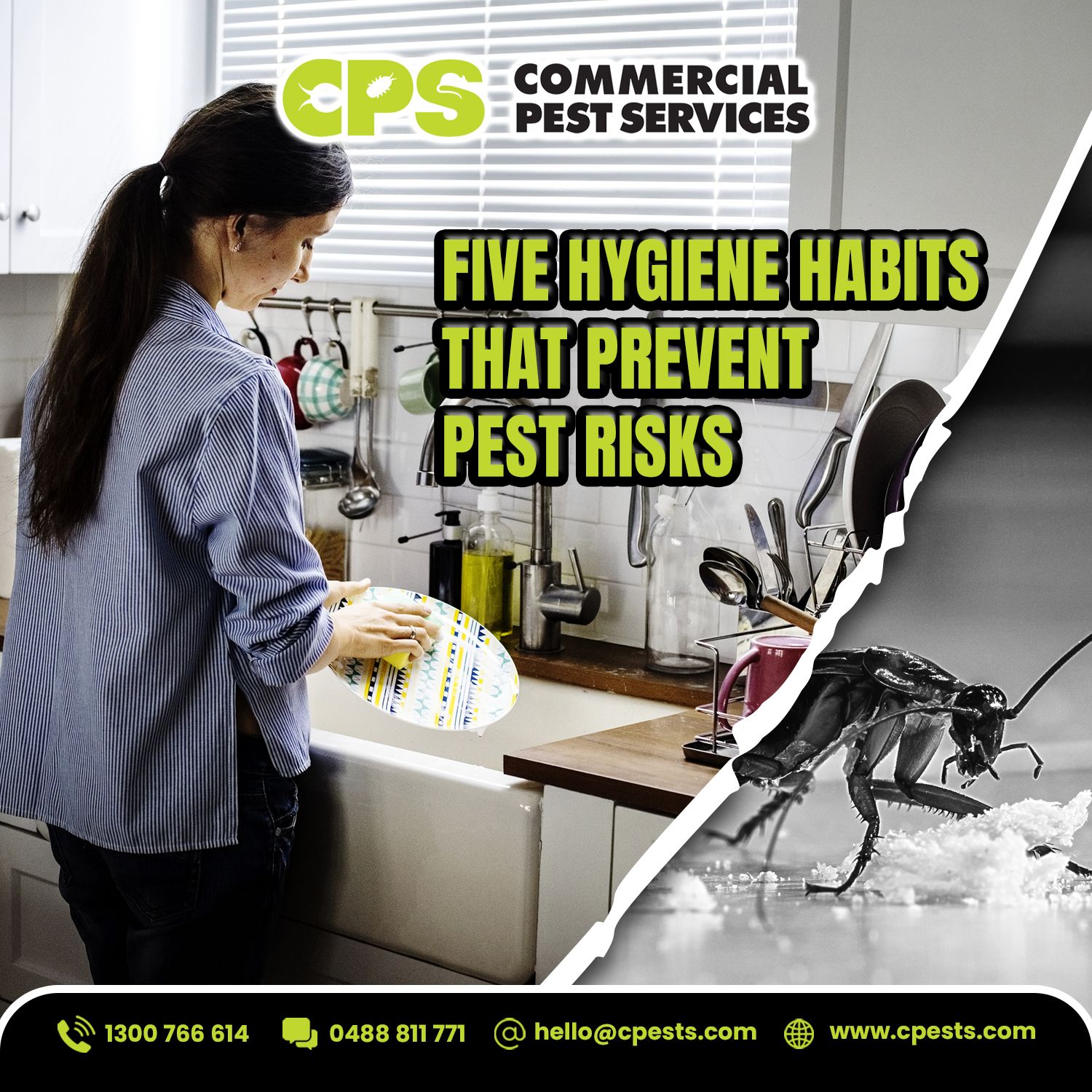
5 Hygiene Habits That Help Prevent Pest Infestations
August 13, 2026
Many people associate pest infestations with poor hygiene. However, the reality is more complicated than that. Pests can affect even the cleanest homes. Seasonal changes, environmental conditions, and structural entry points all play a role in pest activity. Nevertheless, certain hygiene habits can help reduce the conditions that attract pests in the first place. The goal is […]
Many people associate pest infestations with poor hygiene. However, the reality is more complicated than that.
Pests can affect even the cleanest homes. Seasonal changes, environmental conditions, and structural entry points all play a role in pest activity. Nevertheless, certain hygiene habits can help reduce the conditions that attract pests in the first place.
The goal is not to maintain a perfect home. Instead, it is about creating an environment that is less inviting to unwanted visitors.
Here are five simple hygiene habits that support long-term pest prevention.
1. Clean Food Residue Promptly
Food is one of the strongest attractants for many household pests.
Ants, cockroaches, and rodents often search for crumbs, spills, and leftovers. Even small amounts of food residue can provide enough nutrition to attract pests into your home.
Therefore, wipe kitchen benches after meal preparation and clean dining tables soon after eating. Vacuum or sweep floors regularly, especially in areas where children eat snacks.
For example, a few biscuit crumbs under the sofa may not seem significant. However, pests view them as an easy food source. We have written about how food residue can attract ants. Read More.
Small habits completed consistently can make a meaningful difference.
2. Store Food Properly
Open packaging can attract pests looking for an accessible meal.
Transfer pantry staples such as cereals, flour, rice, and pet food into sealed containers whenever possible. Likewise, avoid leaving fruit uncovered on kitchen benches for extended periods.
Pet food bowls should also receive attention. Empty them after feeding times instead of allowing food to sit out overnight.
Proper food storage helps reduce pest pressure while keeping ingredients fresher for longer.
3. Manage Household Waste Effectively
Waste management plays an important role in pest prevention.
Bins containing food scraps can quickly attract flies, ants, and rodents if they remain unattended for long periods.
Use rubbish bins with fitted lids and empty them regularly. In addition, rinse recycling containers before placing them in recycling bins to remove sugary residues and food remnants.
Outdoor bins should remain closed and positioned away from frequently used entrances whenever possible.
Good waste practices support both hygiene and home comfort.
4. Reduce Moisture Around the Home
Many pests need water just as much as they need food.
Cockroaches, silverfish, and termites often thrive in damp environments. Leaking taps, blocked gutters, poor ventilation, and standing water can create favourable conditions for these pests.
Check under sinks for leaks and address plumbing issues promptly. Likewise, improve ventilation in bathrooms and laundries where moisture tends to accumulate.
If excessive moisture persists, consider seeking professional advice to identify the underlying cause.
Managing moisture can help reduce pest risks while protecting the home itself.
5. Keep Clutter Under Control
Clutter provides shelter and hiding places for pests.
Storage boxes, piles of newspapers, unused cardboard, and overcrowded cupboards can make inspections more difficult and allow pests to remain unnoticed.
Regularly organise storage areas such as garages, wardrobes, and under-bed spaces. Elevating stored items slightly off the floor can also improve visibility and cleaning access.
This does not mean maintaining a minimalist lifestyle. Rather, it means reducing unnecessary hiding spots where pests may settle.
Prevention Starts with Everyday Habits
Hygiene habits alone cannot eliminate every pest risk. However, they can help reduce the conditions that encourage pest activity.
Cleaning food residue promptly, storing food correctly, managing waste, controlling moisture, and reducing clutter all support a prevention-focused approach.
At Competitive Pest Services, we believe effective pest management combines practical prevention with professional expertise.
If you notice signs of pest activity or have concerns about your home’s pest risks, a professional inspection can provide valuable peace of mind.
Because protecting your home often starts with the small habits practiced every day.
We are committed to providing services that are effective, transparent, and easy to understand.
Book an inspection now with CPS today to arrange a professional inspection and tailored treatment plan.
We acknowledge the Traditional Custodians of Country throughout Australia and their connections to land, sea, and community.
We pay our respect to their Elders past and present and extend that respect to all Aboriginal and Torres Strait Islander peoples today.