Send us a message and one of our specialists pest managers will be in touch
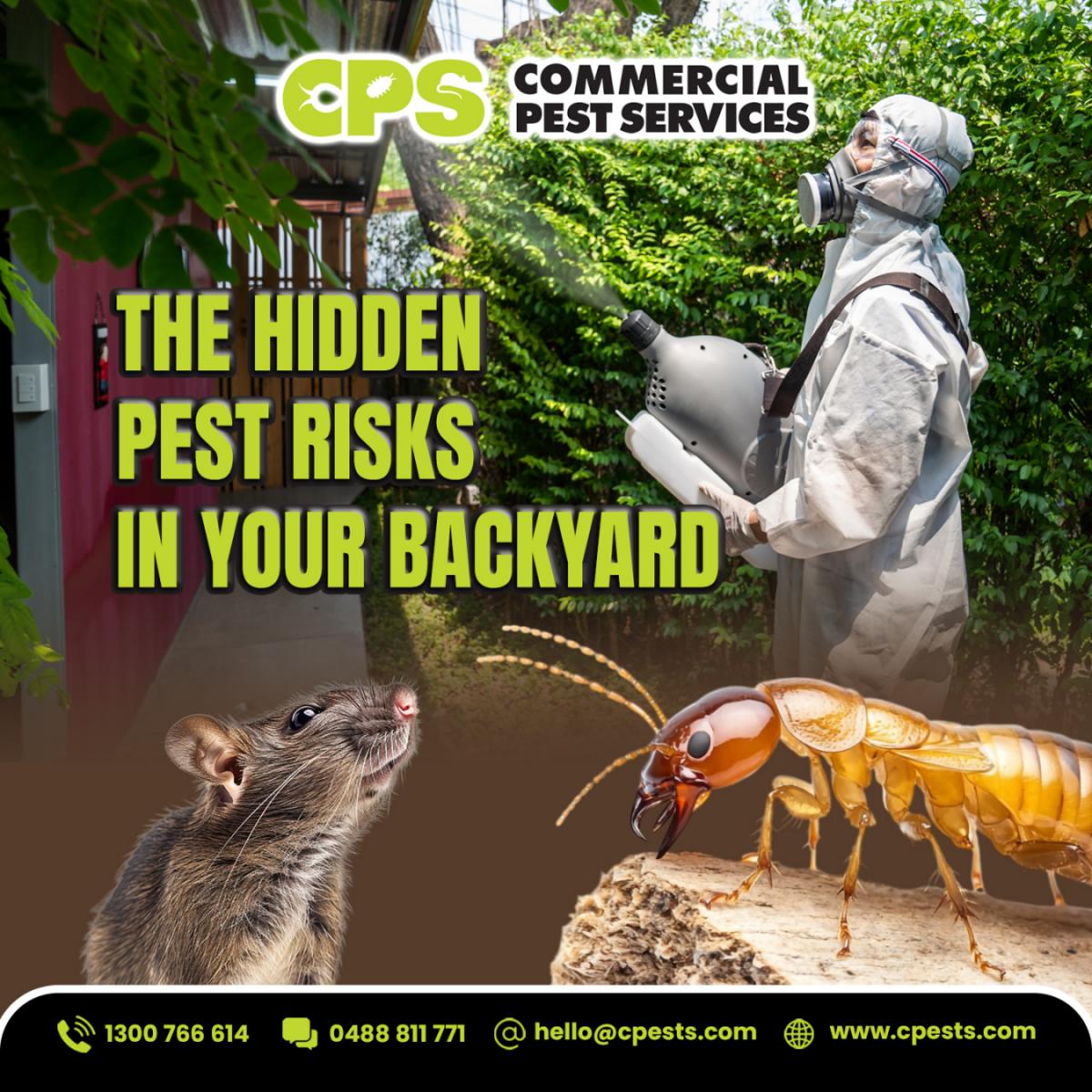
The Hidden Pest Risks in Your Backyard
August 11, 2026
When homeowners think about pest prevention, they often focus on what happens inside the house. However, many pest problems actually begin outdoors. Your backyard should be a place for relaxation, family gatherings, and enjoying the fresh air. Yet, certain features around your property may unintentionally attract pests closer to your home. The good news is that understanding […]
When homeowners think about pest prevention, they often focus on what happens inside the house.
However, many pest problems actually begin outdoors.
Your backyard should be a place for relaxation, family gatherings, and enjoying the fresh air. Yet, certain features around your property may unintentionally attract pests closer to your home.
The good news is that understanding these hidden pest risks can help you make simple changes that support long-term protection.
After all, effective pest prevention often starts before pests make their way indoors.
Wood Piles and Timber Storage
Storing firewood and timber outdoors is common in many Australian homes. However, these materials can also provide shelter for unwanted pests.
Termites naturally feed on timber, while rodents often use wood piles as hiding places.
To reduce these risks, store timber off the ground and keep it away from exterior walls whenever possible.
Regularly inspect stored materials for signs of pest activity.
Overgrown Gardens Create Perfect Hiding Spots
Lush gardens bring beauty and privacy to outdoor spaces. Nevertheless, dense vegetation may also provide shelter for pests.
Rodents often move through thick shrubs unnoticed, while spiders prefer quiet areas with limited disturbance.
Trim bushes regularly and avoid allowing plants to grow directly against your home’s exterior.
Keeping gardens tidy improves visibility and reduces pest harbourage areas. At the same time, it helps maintain the appearance of your outdoor spaces.
Standing Water Encourages Mosquito Activity
Mosquitoes require very little water to breed. Items such as buckets, pot saucers, bird baths, children’s toys, and clogged drains can collect enough water to support mosquito populations.
After rainfall, inspect your yard for standing water and empty containers promptly.
Regular maintenance helps minimize mosquito breeding opportunities. As a result, your family can enjoy outdoor areas more comfortably.
Compost Bins Can Attract Unwanted Visitors
Composting offers environmental benefits and reduces household waste. However, poorly maintained compost bins may attract pests searching for food.
Rodents, cockroaches, and flies often take advantage of easily accessible organic material.
Use secure compost containers and avoid adding unsuitable food waste.
Turning compost regularly and maintaining the area can also help reduce pest interest.
Pet Feeding Areas May Invite Pests
Outdoor pet feeding stations provide convenience for many families. Unfortunately, leftover food can also attract pests. Rodents, ants, and cockroaches readily seek out accessible food sources.
Remove uneaten pet food after meals and clean feeding bowls regularly.
Store pet food in sealed containers rather than open bags.
These simple habits support both hygiene and pest prevention.
Gutters and Roof Areas Often Go Unnoticed
Gutters rarely receive attention until problems appear. However, blocked gutters can create moisture issues and sheltered nesting areas.
Birds may build nests around roof structures, while rodents sometimes use these spaces for movement. Leaves and debris can also contribute to water accumulation.
Cleaning gutters regularly supports drainage and reduces conditions that attract pests.
Routine maintenance protects both your home and your peace of mind.
Prevention Starts Outside
Backyard pest risks can affect even the cleanest homes. Many of these factors develop through everyday activities and changing environmental conditions rather than neglect.
Understanding what attracts pests allows homeowners to make informed decisions and take practical action early.
At CPS, we believe prevention-focused pest management provides the strongest protection for Australian homes.
By paying attention to outdoor spaces as well as indoor environments, you can reduce pest risks and help keep your home comfortable throughout the year.
We are committed to providing services that are effective, transparent, and easy to understand.
Book an inspection now with CPS today to arrange a professional inspection and tailored treatment plan.
We acknowledge the Traditional Custodians of Country throughout Australia and their connections to land, sea, and community.
We pay our respect to their Elders past and present and extend that respect to all Aboriginal and Torres Strait Islander peoples today.