Send us a message and one of our specialists pest managers will be in touch
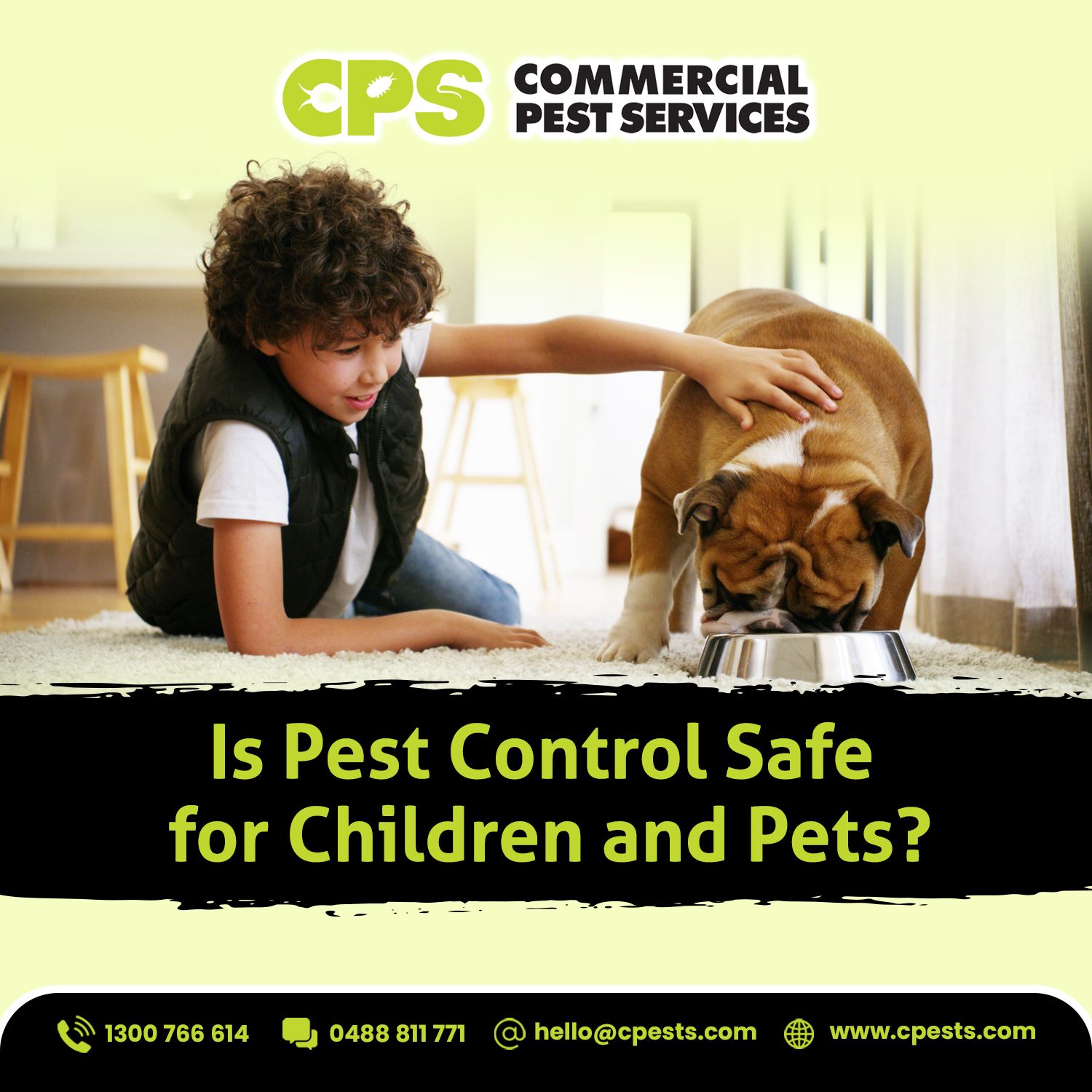
Pest Control Safety for Children and Pets: What Families Should Expect
August 13, 2026
For many homeowners, booking a pest treatment comes with one important question. Will it be safe for my children and pets? It is a reasonable concern. After all, children play on floors, pets explore every corner of the home, and families naturally want to protect the people they love most. While many articles focus on […]
For many homeowners, booking a pest treatment comes with one important question.
Will it be safe for my children and pets?
It is a reasonable concern. After all, children play on floors, pets explore every corner of the home, and families naturally want to protect the people they love most.
While many articles focus on whether pest control products are pet-friendly, another important topic often receives less attention. What should families actually expect before, during, and after a professional pest treatment?
Understanding the process can help remove uncertainty and allow you to approach residential pest control with greater confidence.
Safety Starts Before the Treatment
Safe pest control begins long before any treatment takes place.
A professional technician should first understand your household and any specific considerations that may influence the treatment approach.
For example, households may have young children, curious puppies, indoor cats, fish tanks, bird cages, or elderly family members with additional concerns.
Sharing this information allows technicians to tailor their recommendations appropriately.
Every home is different, and every family has different needs.
The more your technician understands your situation, the better they can guide you through the process.
Ask Questions and Know What to Expect
Many homeowners hesitate to ask questions because they assume the process will be complicated. However, asking questions is encouraged.
Before treatment, you may want to ask:
Will we need to leave the house?
Are there any preparation steps?
How long before children can return to treated areas?
Should pet bowls or toys be moved?
What post-treatment advice should we follow?
Clear answers help families prepare and avoid unnecessary stress.
You can also read more about what to expect from a professional pest service.
Following Instructions Matters
One of the simplest ways to support pest control safety for children and pets is by following the guidance provided by your technician.
Instructions may vary depending on the treatment type and the areas involved.
Some treatments may require temporary waiting periods before normal activities resume. Others may simply involve allowing treated surfaces to dry completely.
Preparation advice may include covering fish tanks, storing children’s toys temporarily, or moving pet bedding before treatment begins.
These recommendations are designed to help treatments work effectively while supporting a safe return to everyday routines.
Delaying Treatment Can Also Affect Family Wellbeing
Families sometimes postpone pest treatments because they worry about the process.
However, untreated pest problems may also create challenges inside the home.
Rodents can contaminate food preparation areas through droppings and urine.
Cockroaches may contribute to allergy concerns for some individuals.
Bed bugs can disrupt sleep and affect comfort. Meanwhile, termites often cause structural damage without obvious warning signs.
The goal is not to create fear. Instead, it is important to consider both the risks of pest activity and the value of addressing concerns promptly through professional advice.
You might be interested in health risks from pests at homes. Read More.
Safe Pest Control Is About Partnership
Effective residential pest control works best when homeowners and technicians work together.
Families can support successful outcomes by communicating openly, preparing the home as advised, and following post-treatment recommendations.
At CPS, we understand that pest control is about more than removing unwanted pests. It is about protecting homes where children play, pets rest, and families make memories together.
By tailoring solutions to each household and guiding customers through every step, we aim to provide reassurance alongside effective pest management.
We are committed to providing services that are effective, transparent, and easy to understand.
Book an inspection now with CPS today to arrange a professional inspection and tailored treatment plan.
We acknowledge the Traditional Custodians of Country throughout Australia and their connections to land, sea, and community.
We pay our respect to their Elders past and present and extend that respect to all Aboriginal and Torres Strait Islander peoples today.