Send us a message and one of our specialists pest managers will be in touch
How Clutter Around Your Home Attracts Pests
September 24, 2026
When people think about pest prevention at home, they often focus on cleaning kitchens or taking out the rubbish. While these habits are important, there is another factor that many homeowners overlook: clutter. Piles of stored items, unused furniture, and forgotten corners can create the perfect environment for household pests. Clutter does not create pests […]
When people think about pest prevention at home, they often focus on cleaning kitchens or taking out the rubbish.
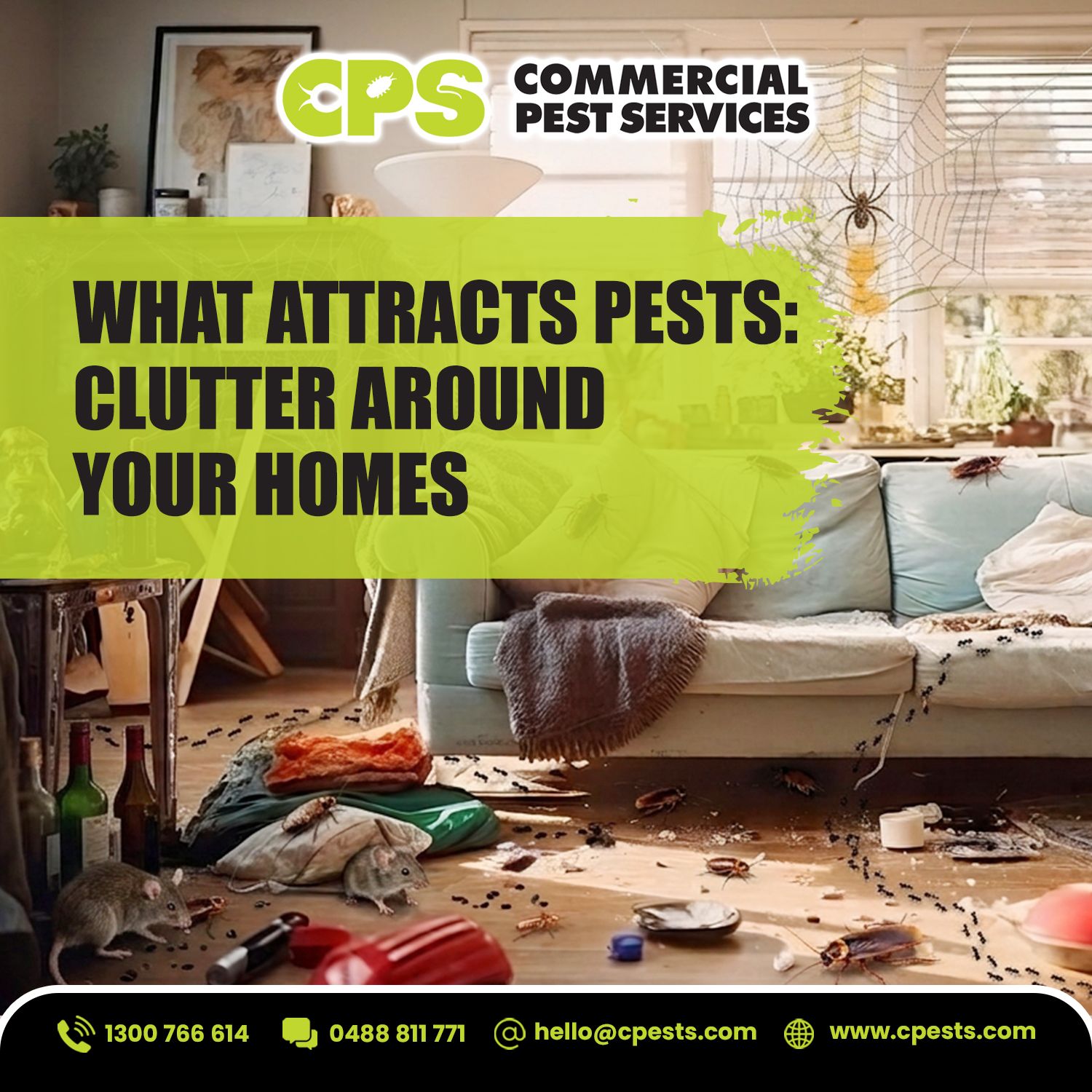
While these habits are important, there is another factor that many homeowners overlook: clutter. Piles of stored items, unused furniture, and forgotten corners can create the perfect environment for household pests. Clutter does not create pests on its own. However, it provides shelter, warmth, and protection that many pests need to survive and reproduce.
By understanding how clutter attracts pests, homeowners can make simple changes that support long-term residential pest control.
Why Do Pests Like Clutter?
Most pests prefer places where they can stay hidden without being disturbed.
Boxes stacked in a garage, items stored under the stairs, or unused materials in the backyard all provide excellent pest hiding places. These areas are often dark, quiet, and difficult to inspect, making them ideal for pests looking for a safe home.
The longer clutter remains untouched, the more comfortable these spaces become for unwanted visitors.
Common Household Items That Attract Pests
Not all clutter creates the same level of risk. Some everyday items are particularly attractive to household pests.
Cardboard Boxes
Cardboard absorbs moisture and provides insulation, making it a favourite hiding place for cockroaches, silverfish, and spiders. If boxes remain in storage for long periods, they can also become nesting sites for rodents.
Replacing old cardboard boxes with sealed plastic containers helps reduce this risk while keeping belongings protected.
Firewood and Timber
Stacks of firewood placed against the home may seem convenient, but they can attract termites, spiders, and rodents. Timber provides shelter and, in the case of termites, a valuable food source.
Whenever possible, store firewood off the ground and away from external walls.
Unused Furniture and Storage
Old furniture, stored appliances, and piles of household items create sheltered spaces where pests can hide for months without being noticed.
Keeping storage areas organised makes it much easier to inspect for early signs of pest activity.
Garden Debris
Leaves, fallen branches, unused pots, and overgrown garden beds create damp, sheltered environments that attract ants, spiders, cockroaches, and other outdoor pests.
Regular garden maintenance helps reduce these pest hiding places while improving the appearance of your property.
Garages and Sheds
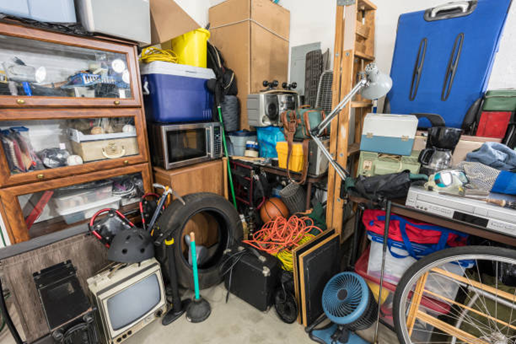
Garages and sheds often become long-term storage areas filled with tools, boxes, and equipment.
Because these spaces receive less daily activity, pests can settle in without attracting attention. Checking stored items regularly helps identify problems before they spread to other parts of the home.
Simple Ways to Reduce Clutter and Pest Risks
You do not need to completely reorganise your home to improve pest prevention.
A few simple habits can make a big difference:
Declutter storage areas every few months.
Store belongings in sealed plastic containers instead of cardboard boxes.
Keep items raised off the floor where possible.
Remove unnecessary garden waste and old timber.
Leave space around stored items so inspections are easier.
Check garages, sheds, and roof spaces regularly for signs of pest activity.
These small changes make your home less inviting to household pests throughout the year.
Prevention Starts with the Spaces You Rarely Notice
Many pest problems begin in places homeowners rarely use or inspect. Although clutter may seem harmless, it often creates the shelter that pests need to settle and multiply.
Keeping your home organised makes it easier to spot early warning signs and reduces the number of pest hiding places around your property.
At Competitive Pest Services, we believe successful residential pest control begins with prevention. Our experienced pest control technicians provide professional inspections and tailored pest management solutions to help homeowners identify risks, reduce pest activity, and protect their homes for the long term.
How Clutter Around Your Home Attracts Pests
When people think about pest prevention at home, they often focus on cleaning kitchens or taking out the rubbish.
While these habits are important, there is another factor that many homeowners overlook: clutter. Piles of stored items, unused furniture, and forgotten corners can create the perfect environment for household pests. Clutter does not create pests on its own. However, it provides shelter, warmth, and protection that many pests need to survive and reproduce.
By understanding how clutter attracts pests, homeowners can make simple changes that support long-term residential pest control.
Why Do Pests Like Clutter?
Most pests prefer places where they can stay hidden without being disturbed.
Boxes stacked in a garage, items stored under the stairs, or unused materials in the backyard all provide excellent pest hiding places. These areas are often dark, quiet, and difficult to inspect, making them ideal for pests looking for a safe home.
The longer clutter remains untouched, the more comfortable these spaces become for unwanted visitors.
Common Household Items That Attract Pests
Not all clutter creates the same level of risk. Some everyday items are particularly attractive to household pests.
Cardboard Boxes
Cardboard absorbs moisture and provides insulation, making it a favourite hiding place for cockroaches, silverfish, and spiders. If boxes remain in storage for long periods, they can also become nesting sites for rodents.
Replacing old cardboard boxes with sealed plastic containers helps reduce this risk while keeping belongings protected.
Firewood and Timber
Stacks of firewood placed against the home may seem convenient, but they can attract termites, spiders, and rodents. Timber provides shelter and, in the case of termites, a valuable food source.
Whenever possible, store firewood off the ground and away from external walls.
Unused Furniture and Storage
Old furniture, stored appliances, and piles of household items create sheltered spaces where pests can hide for months without being noticed.
Keeping storage areas organised makes it much easier to inspect for early signs of pest activity.
Garden Debris
Leaves, fallen branches, unused pots, and overgrown garden beds create damp, sheltered environments that attract ants, spiders, cockroaches, and other outdoor pests.
Regular garden maintenance helps reduce these pest hiding places while improving the appearance of your property.
Garages and Sheds
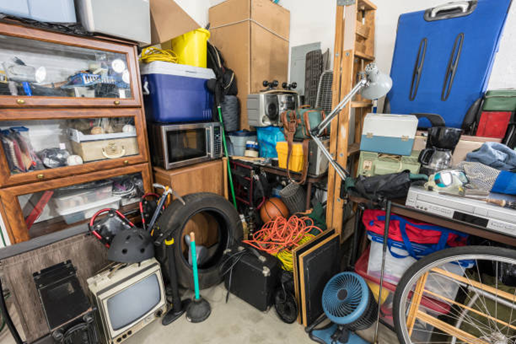
Garages and sheds often become long-term storage areas filled with tools, boxes, and equipment.
Because these spaces receive less daily activity, pests can settle in without attracting attention. Checking stored items regularly helps identify problems before they spread to other parts of the home.
Simple Ways to Reduce Clutter and Pest Risks
You do not need to completely reorganise your home to improve pest prevention.
A few simple habits can make a big difference:
Declutter storage areas every few months.
Store belongings in sealed plastic containers instead of cardboard boxes.
Keep items raised off the floor where possible.
Remove unnecessary garden waste and old timber.
Leave space around stored items so inspections are easier.
Check garages, sheds, and roof spaces regularly for signs of pest activity.
These small changes make your home less inviting to household pests throughout the year.
Prevention Starts with the Spaces You Rarely Notice
Many pest problems begin in places homeowners rarely use or inspect. Although clutter may seem harmless, it often creates the shelter that pests need to settle and multiply.
Keeping your home organised makes it easier to spot early warning signs and reduces the number of pest hiding places around your property.
At Competitive Pest Services, we believe successful residential pest control begins with prevention. Our experienced pest control technicians provide professional inspections and tailored pest management solutions to help homeowners identify risks, reduce pest activity, and protect their homes for the long term.
We are committed to providing services that are effective, transparent, and easy to understand.
Book an inspection now with CPS today to arrange a professional inspection and tailored treatment plan.
We acknowledge the Traditional Custodians of Country throughout Australia and their connections to land, sea, and community.
We pay our respect to their Elders past and present and extend that respect to all Aboriginal and Torres Strait Islander peoples today.