Send us a message and one of our specialists pest managers will be in touch
How Humidity Affects Pest Activity Around Your Home
September 24, 2026
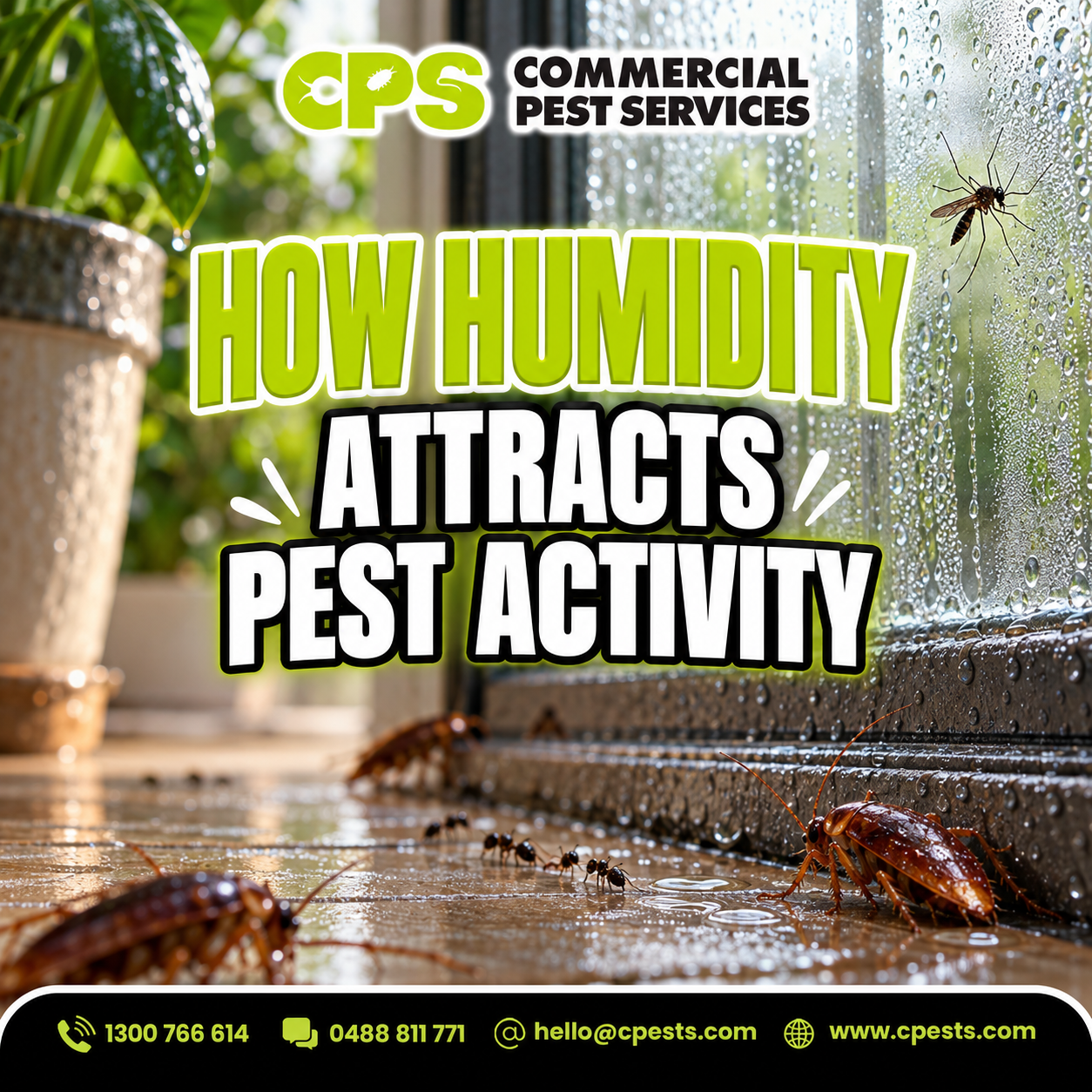
Humidity can make your home feel warmer and less comfortable, especially during Australia’s humid months. However, it does more than affect people. It also creates favourable conditions for many common household pests. Like all living creatures, pests need water to survive. When humidity levels rise, they can find moisture more easily, which helps them feed, […]
Humidity can make your home feel warmer and less comfortable, especially during Australia’s humid months. However, it does more than affect people. It also creates favourable conditions for many common household pests.
Like all living creatures, pests need water to survive. When humidity levels rise, they can find moisture more easily, which helps them feed, breed and stay active for longer periods. As a result, homeowners often notice more pest activity during humid weather.
Understanding the connection between humidity and pests can help you prevent infestations before they become larger problems.
Why Do Pests Like Humidity?
Moisture is one of the most important factors that influence pest activity.
High humidity helps many pests stay hydrated and creates conditions that support their life cycle. Damp areas also soften materials such as timber and cardboard, making them more attractive to certain pests.
Humidity can also encourage mould growth and moisture build-up around the home. These conditions attract insects looking for food, shelter or suitable breeding environments.
Although every pest behaves differently, many species become more active when moisture is readily available.
Which Pests Become More Active in Humid Weather?
Several common household pests thrive when humidity levels increase.
Cockroaches
Cockroaches prefer warm, dark and humid places where they can easily find food and water. Kitchens, bathrooms, laundries and areas beneath sinks often provide ideal conditions.
If moisture remains unchecked, cockroaches may become more active indoors.
Mosquitoes
Humid weather often follows rainfall, which increases the amount of standing water around homes. Even small collections of water can support mosquito breeding, leading to larger mosquito populations during warmer months.
Termites
Termites are attracted to moisture because damp timber is easier for them to access. Leaking pipes, poor drainage and water-damaged wood can all increase the risk of termite activity around a property.
Routine inspections are especially important because termite damage often remains hidden until it becomes extensive.
Read more about the potential causes of termite infestations.
Silverfish
Silverfish thrive in humid environments with limited airflow. Bathrooms, laundries, cupboards and roof spaces often provide the moisture they need to survive.
Although they do not spread disease, they may damage books, paper products and stored belongings.
Ants
Many ant species become more active after periods of rain or increased humidity. While they search for food throughout the year, moist conditions can encourage larger numbers to forage around homes.
Signs Your Home May Have Too Much Moisture
Sometimes, the warning signs appear before pests do.
Condensation on windows, musty odours, mould growth, peeling paint and damp walls all suggest excess moisture inside the home. Leaking taps, overflowing gutters and poor ventilation can also contribute to these conditions.
Addressing these issues early helps create a healthier indoor environment while reducing pest risks.
How to Reduce Moisture and Pest Activity
Fortunately, small maintenance tasks can make a big difference.
Repair leaking taps and pipes.
Use exhaust fans in bathrooms and kitchens to improve ventilation.
Open windows from time to time to increase airflow.
Clean gutters regularly so rainwater drains properly
Remove standing water from pot plant trays, buckets, and other outdoor containers.
Keep storage areas dry and tidy to not trap moisture.
Regular property inspections also help identify hidden leaks before they attract pests.
A Drier Home Is Less Attractive to Pests
Humidity is a natural part of Australia’s climate, but excess moisture inside your home does not have to be.
By improving ventilation, fixing leaks and managing moisture, you can reduce the conditions that many pests rely on. These simple habits not only support long-term pest prevention but also create a healthier and more comfortable home.
If pest activity continues despite your efforts, professional pest management can identify hidden moisture problems and recommend targeted solutions that address the root cause.
We acknowledge the Traditional Custodians of Country throughout Australia and their connections to land, sea, and community.
We pay our respect to their Elders past and present and extend that respect to all Aboriginal and Torres Strait Islander peoples today.