Send us a message and one of our specialists pest managers will be in touch
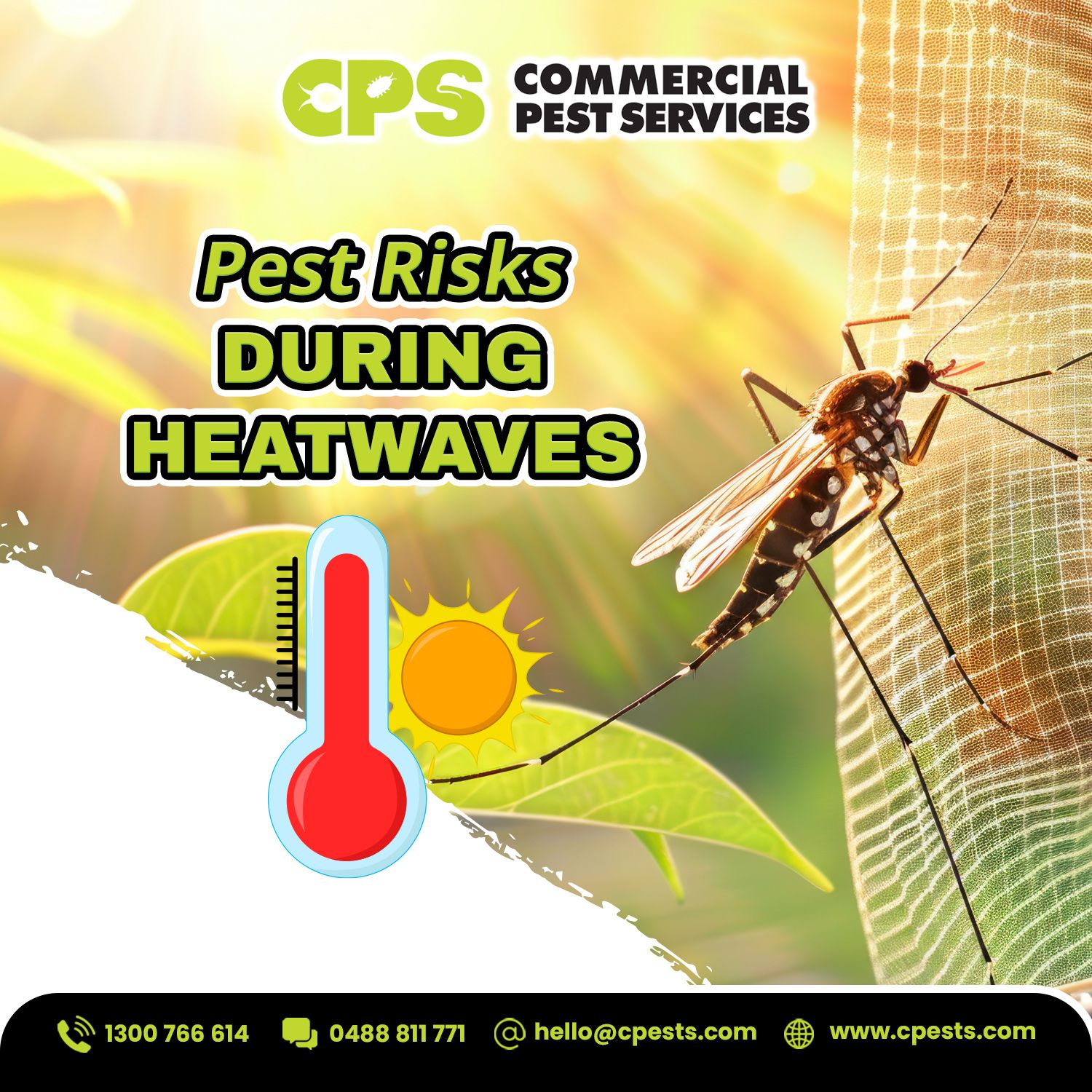
Heatwaves Are Making Headlines Worldwide: Here’s Why Australians Should Prepare for Summer Pests Now
September 25, 2026
Record-breaking heatwaves have dominated headlines across the UK, Europe and parts of the United States in recent weeks. These extreme temperatures have disrupted daily life, increased health risks and placed pressure on communities. However, people are not the only ones affected. Hot weather also changes the behaviour of many common pests. Although Australia is currently […]
Record-breaking heatwaves have dominated headlines across the UK, Europe and parts of the United States in recent weeks. These extreme temperatures have disrupted daily life, increased health risks and placed pressure on communities. However, people are not the only ones affected. Hot weather also changes the behaviour of many common pests.
Although Australia is currently in winter, this is the perfect time to think ahead. Australian summers regularly bring prolonged heatwaves, especially across many inland and metropolitan areas. As temperatures climb, pests become more active as they search for water, food and cooler shelter.
By understanding how heat affects pest behaviour now, homeowners and businesses can stay one step ahead before summer arrives.
What Can Australians Learn From Recent Global Heatwaves?
The recent overseas heatwaves show how quickly extreme weather can change living conditions. As outdoor environments become hotter and drier, many pests move towards buildings where conditions are more comfortable.
Australian properties can experience the same situation during summer. While every pest responds differently to heat, they all share the same basic needs. They look for reliable food, moisture and protection from harsh weather.
This is why homes, offices, restaurants and warehouses often experience increased pest activity during extended hot periods. Air-conditioned buildings, kitchens, storage rooms and waste areas provide ideal places for pests to survive.
Rather than waiting until summer arrives, preparing early can significantly reduce the risk of seasonal infestations.
Why Do Heatwaves Increase Pest Activity?
Extreme heat affects pest behaviour.
As temperatures rise, many insects breed more quickly. Cockroaches, flies and ants can establish larger populations when warm conditions continue for several weeks.
At the same time, dry weather reduces natural water sources outdoors. Consequently, rodents and insects begin searching inside buildings for leaking pipes, pet water bowls, bathrooms and kitchens.
Food waste also becomes more attractive during hot weather. Overflowing rubbish bins, uncovered food and dirty outdoor entertaining areas can quickly draw pests closer to your property.
Instead of disappearing during heatwaves, many pests simply move indoors where temperatures are cooler and resources are easier to find.
Temperature is one of the environmental stresses that influence pest activity. Read More.
Areas Around Your Property That Deserve Extra Attention
Preparing your property before summer does not need to be difficult. Instead, focus on the places pests are most likely to visit.
For homes, inspect kitchens, pantries, bathrooms, laundries and roof spaces. Check for leaking taps, standing water and gaps around doors or windows that pests may use as entry points.
Outside, keep bin areas clean, remove pet food after feeding and empty containers that collect rainwater. Gardens should also be trimmed regularly to reduce sheltered hiding places.
Businesses should pay close attention to waste storage areas, loading docks, staff kitchens and storage facilities. Routine inspections help identify early signs of pest activity before it affects customers, staff or operations.
Small Preventive Actions Make a Big Difference
The best pest control starts long before pests become visible.
Store food in sealed containers and clean spills immediately.
Empty rubbish bins regularly and keep lids tightly closed.
Repair leaking pipes and remove standing water wherever possible.
Seal cracks around doors, windows and service entry points.
Schedule routine pest inspections before the warmer months begin.
Early prevention is often more effective and more affordable than treating a well-established infestation.
Prepare Today for Australia’s Next Heatwave
Australia experiences hot summers almost every year, and heatwaves remain a normal part of our climate. The recent overseas heatwaves serve as a timely reminder that extreme weather affects more than people. It also changes the way pests behave.
By preparing your home or business before temperatures rise, you can reduce the likelihood of unwanted pest activity throughout summer. Simple maintenance, good hygiene and proactive pest management all play an important role in protecting your property.
Contact Us for inspection before summer.
We are committed to providing services that are effective, transparent, and easy to understand.
Book an inspection now with CPS today to arrange a professional inspection and tailored treatment plan.
We acknowledge the Traditional Custodians of Country throughout Australia and their connections to land, sea, and community.
We pay our respect to their Elders past and present and extend that respect to all Aboriginal and Torres Strait Islander peoples today.