Send us a message and one of our specialists pest managers will be in touch
Flies in Summer: Why Fly Activity Increases Around Homes in Australia
June 8, 2026
Flies in Summer: What We Should Know Australian summers often bring more outdoor activities, longer days, and unfortunately, increased fly activity around homes. From November to March, many households notice flies gathering around kitchens, patios, rubbish bins, and outdoor dining areas more frequently. Although flies appear throughout the year, summer creates ideal conditions for them […]
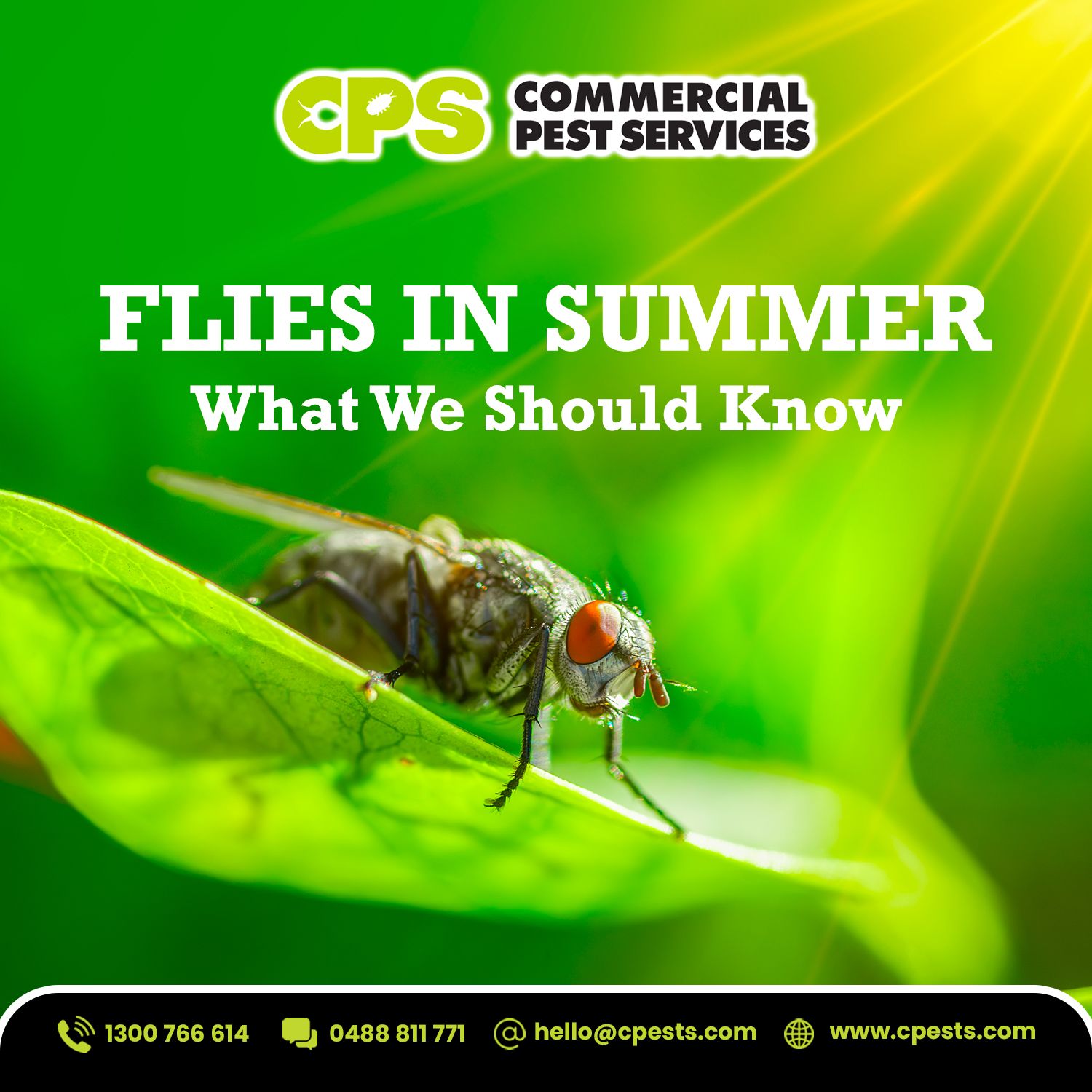
Flies in Summer: What We Should Know
Australian summers often bring more outdoor activities, longer days, and unfortunately, increased fly activity around homes. From November to March, many households notice flies gathering around kitchens, patios, rubbish bins, and outdoor dining areas more frequently.
Although flies appear throughout the year, summer creates ideal conditions for them to breed, feed, and multiply rapidly. As temperatures rise, flies become far more active and visible around residential properties.
Understanding why flies increase during summer can help homeowners reduce the risk of infestations before the problem becomes difficult to manage.
Why Flies Increase Around Homes During Summer
Warm temperatures Speed Up Fly Activity.
During summer, warmer temperatures strongly influence fly behaviour and breeding cycles. So, flies reproduce faster because heat speeds up egg development and shortens their life cycle significantly. In summer, fly populations can grow very quickly within a short period.
Increased Outdoor Dining Activity Attracts Flies.
Additionally, Australian summers encourage more outdoor cooking, entertaining, and diningactivities. BBQs, uncovered food, sugary drinks, and food scraps often provide easy feeding opportunities for flies. Even small food residues can attract large numbers of flies within minutes.
Garbage Areas and Compost Bins Appeal Flies.
Heat intensifies food odours inside garbage bins, which attracts flies searching for breeding and feeding sites. Besides, overflowing bins or uncleaned waste areas may encourage flies to remain around properties longer. Rubbish bins also become major attractants during hotter months.
Pet Areas and Animal Waste Draw Flies Near.
Pet feeding areasmay also contribute to increased fly activity during summer. Leftover pet food, water bowls, and animal waste create moisture and food sources that attract flies quickly. If homeowners do not clean these areas regularly, flies may continue returning daily.
Longer Daylight Hours Allow Flies to Stay Active.
In summer, days are longer and flies tend to be more active anywhere near food, organic waste, pet food, and garbage areas. As a result, homeowners often notice flies more frequently indoors and outdoors throughout the season.
Common Problems Caused by Flies
Flies create more than just annoyance around homes. They may also contribute to hygiene and sanitation concerns, especially in food preparation and dining areas.
Food Contamination Risks – Movement between rubbish, waste materials, drains, and exposed food may transfer bacteria and contaminants onto kitchen surfaces, utensils, or uncovered food.
Discomfort and Nuisance – Constant buzzing and activity may disrupt meals and activities
Hidden breeding areas – Indication of hidden breeding ground nearby
How to Prevent Flies Around Your Property
Fortunately, simple preventative habits can help reduce fly activity during summer significantly. Consistent cleaning and proper waste management remain some of the most effective prevention methods.
Keep Garbage Areas Clean
Empty indoor and outdoor rubbish bins regularly.
Clean garbage bins frequently to remove food residue, liquid waste, and strong odours.
Close the garbage bin lids tightly.
Clean Food Residues Quickly
Wipe kitchen benches, outdoor tables, and food preparation surfaces regularly.
Clean spills immediately before flies locate sugary drinks, sauces, or food scraps.
Wash dirty dishes promptly, without leaving overnight.
Manage Outdoor Dining Areas
Cover food whenever possible and remove leftovers immediately after meals.
Clean BBQ grills, outdoor furniture regularly.
Maintain Pet Feeding Areas
Remove uneaten pet food quickly and clean feeding areas regularly.
Dispose of pet waste promptly to reduce moisture and odours around the property.
Reduce Moisture Around the Home
Repair leaking taps, blocked drains, and overflowing gutters as soon as possible.
Get rid of standing water to collect around gardens, containers, or outdoor equipment.
Maintain Gardens and Outdoor Spaces
Throw away fallen fruit, organic waste, and decaying garden materials.
Close compost bins properly and keep them away from doors or windows whenever possible.
Trim overgrown vegetation may also reduce resting areas for flies around the property.
Install Physical Barriers
Apply flyscreens on windows and doors to prevent flies from entering indoor spaces.
Small Prevention Steps Can Make a Big Difference
Fly activity naturally increases during the Australian summer season. Warm temperatures, food waste, moisture, and outdoor activities all contribute to higher fly populations around homes.
Fortunately, regular cleaning, proper waste management, moisture control, and early prevention can significantly reduce the risk of fly infestations.
By maintaining consistent hygiene habits throughout summer, homeowners can create cleaner, more comfortable, and less attractive environments for flies.
We acknowledge the Traditional Custodians of Country throughout Australia and their connections to land, sea, and community.
We pay our respect to their Elders past and present and extend that respect to all Aboriginal and Torres Strait Islander peoples today.