Send us a message and one of our specialists pest managers will be in touch
How to Prevent Rodents Entering Your Property Before Winter: A Melbourne and Sydney Homeowner Guide
June 8, 2026
Every year, as temperatures begin to drop across Melbourne and Sydney, rats and mice start looking for warmer places to nest. For rodents, winter is not just about surviving the cold. It is about finding stable access to warmth, food, water, and shelter. Unfortunately, homes provide all four very easily. These common areas are hard to miss, where […]
Every year, as temperatures begin to drop across Melbourne and Sydney, rats and mice start looking for warmer places to nest.
For rodents, winter is not just about surviving the cold. It is about finding stable access to warmth, food, water, and shelter. Unfortunately, homes provide all four very easily.
These common areas are hard to miss, where rodents try to access the nesting grounds:
Roof voids
wall cavities
garages
kitchens,
Storage areas and subfloors all become attractive nesting areas once outdoor temperatures fall.
Many homeowners only notice rodents, after hearing scratching noises in the ceiling. By that stage, the infestation is often already established inside the property.
The best time to prevent rodents is before winter fully arrives.
Early proofing helps stop rats and mice before they settle inside wall cavities, roof spaces, and hidden areas that become much harder to manage later.
Why Rodents Move In Before Winter
As outdoor temperatures cool, rodents begin searching for sheltered nesting areas. It provides stable warmth and protection.
Homes naturally attract rodents because they offer:
Warm roof voids
Hidden wall cavities
Easy food access
Water sources
Storage clutter
Safe nesting spaces
Older Melbourne and Sydney homes are often more vulnerable because small structural gaps, aging weather seals, roof access points, and ventilation openings allow rodents to enter easily.
Properties with dense gardens, nearby vegetation, climbing plants, or overhanging tree branches also create easier access pathways for roof rats and mice.
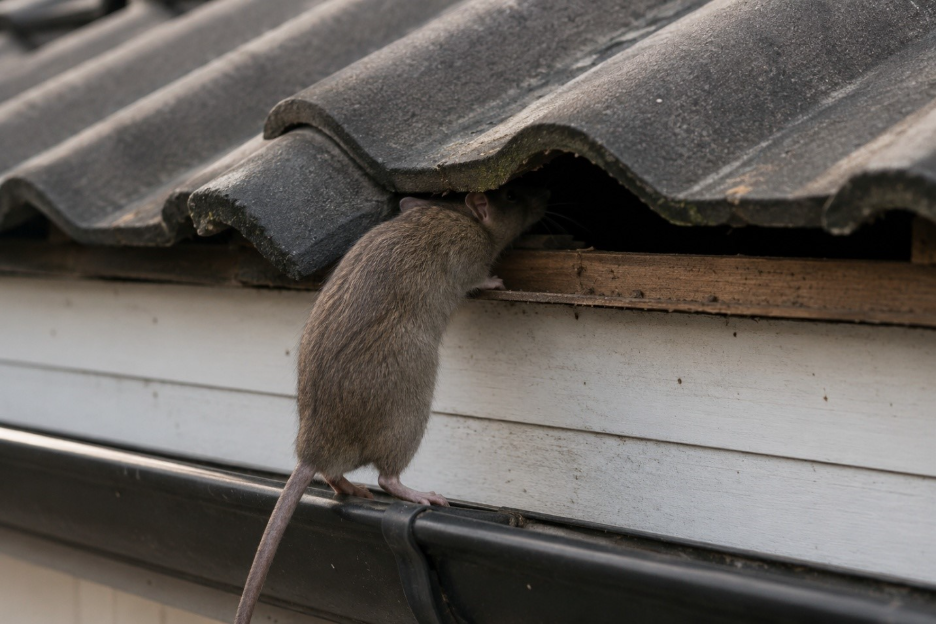
Rodents are extremely flexible and can enter through surprisingly small openings. Mice only need a tiny gap to squeeze inside, while rats can climb walls, pipes, fences, and trees to reach roofs and upper levels.
Once inside, rodents usually stay close to:
Warmth
Water
Hidden nesting spaces
Reliable food sources
Seal Entry Points First
Why this matters
Exclusion is one of the most effective rodent prevention methods because it stops rodents before they enter the home.
Many infestations continue simply because access points remain open after cleaning or treatment.
If rats and mice can still enter the building, they will often return.
What to check
Homeowners should inspect:
Roof lines
Pipe penetrations
Wall gaps
Window frames
Door seals
Garage doors
Vents
Foundations
Chimney areas
Utility entry points
Even small openings around air-conditioning pipes, cables, and drainage lines may provide enough space for mice to enter.
Best materials for sealing
Strong materials are important because rodents constantly chew to reopen access points.
The best exclusion materials include:
Steel wool
Wire mesh
Metal flashing
Rodent-resistant sealants
Soft fillers alone are usually unreliable because rodents can chew through them quickly.
Make Food Hard to Find
Food availability strongly influences whether rodents stay inside a property.
Even small amounts of accessible food can support ongoing activity.
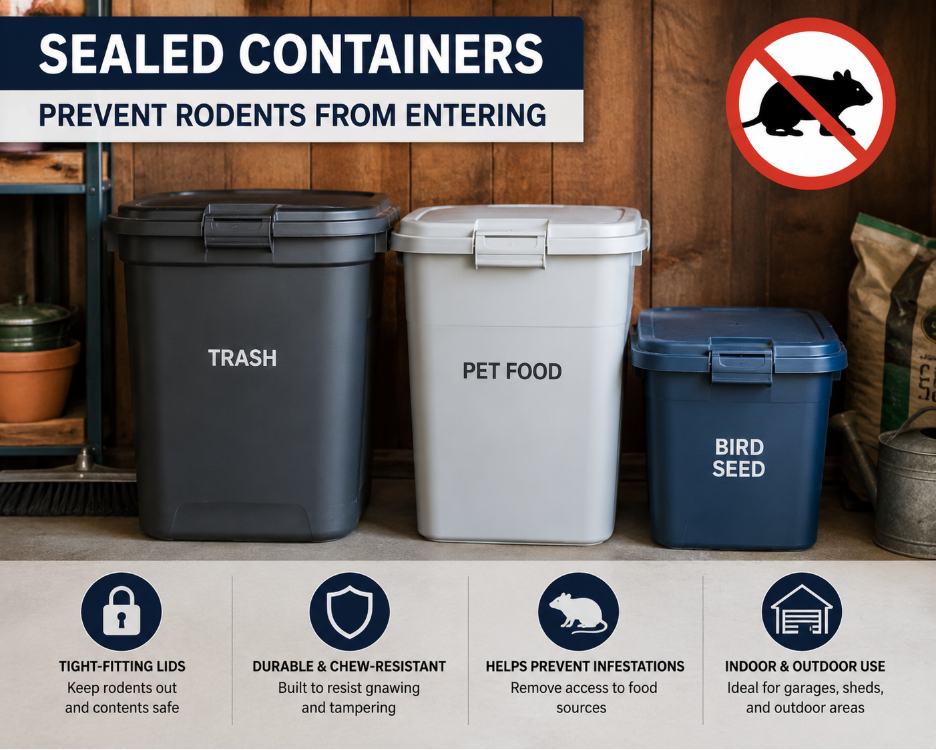
Pantry foods, pet food, crumbs, bird seed, and rubbish all attract rodents if not managed properly.
To reduce attraction:
Store dry food in sealed containers
Clean cooking residue quickly
Vacuum crumbs regularly
Keep bins tightly closed
Avoid leaving pet food outside overnight
Outdoor entertaining areas should also stay clean because leftover food around BBQs often attracts rodents during cooler months.
Remove Shelter Around the House
Rodents prefer areas where they can move and nest without disturbance.
Dense vegetation, clutter, and stored materials create safe harbourage close to the building.
Reducing shelter around the property makes rodent activity easier to detect and less attractive overall.
Homeowners should:
Trim vegetation away from walls and roofs
Raise firewood off the ground
Reduce garage clutter
Organise storage spaces
Manage compost and garden waste properly
Stored cardboard and unused materials are especially attractive because they provide warmth and nesting material.
Focus on Melbourne and Sydney Conditions
Melbourne homes often experience increased winter rodent pressure because colder temperatures push rodents indoors earlier in the season.
Older homes with aging weather seals, subfloor access, and roof void gaps are especially vulnerable during winter.
Sydney properties also face strong rodent pressure, particularly in coastal and suburban areas with dense vegetation and climbing access routes.
Roof rats are very common in Sydney because trees, fences,, and overhanging branches allow easy access onto roofs and upper structures.
For both cities, early winter proofing is far more effective than waiting until rodents are already nesting inside the building.
Simple Winter Prevention Routine
Rodent prevention works best when inspections happen regularly rather than only after activity appears.
A simple prevention routine should include:
Inspecting the exterior every few weeks
Checking rooflines and vents
Reviewing door seals and garage gaps
Monitoring pantry storage and rubbish areas
Rechecking problem areas after storms or repairs
Small structural changes after maintenance work can sometimes reopen rodent entry points without homeowners noticing. Early treatment before winter fully sets in is usually faster, safer, and less expensive than managing a large active infestation later.
The best way to prevent rats and mice before winter is to make the home difficult to enter, difficult to feed in, and difficult to shelter in.
In Melbourne and Sydney, acting before winter arrives is usually far more effective than waiting until activity becomes visible indoors.
Early Prevention is recommended than Reactive Treatment.
Complete your pre-winter pest audit now before colder weather increases rodent and insect activity indoors.
Contact CPS today to arrange a professional inspection and tailored treatment plan.
We acknowledge the Traditional Custodians of Country throughout Australia and their connections to land, sea, and community.
We pay our respect to their Elders past and present and extend that respect to all Aboriginal and Torres Strait Islander peoples today.