Send us a message and one of our specialists pest managers will be in touch
Do Ultrasonic Pest Repellers Actually Work?
September 27, 2026
Ultrasonic pest repellers have become a popular choice for homeowners looking for a simple and chemical-free way to keep pests away. These small electronic devices claim to repel rodents and insects using high-frequency sound that people cannot hear. With so many products available online and in stores, it is easy to wonder whether they really […]
Ultrasonic pest repellers have become a popular choice for homeowners looking for a simple and chemical-free way to keep pests away. These small electronic devices claim to repel rodents and insects using high-frequency sound that people cannot hear.
With so many products available online and in stores, it is easy to wonder whether they really work. The answer is not as straightforward as many advertisements suggest.
While ultrasonic pest repellers may have some effect in certain situations, they should not replace proven pest management methods. Understanding how these devices work and what research says can help you make a more informed decision.
How Do Ultrasonic Pest Repellers Work?
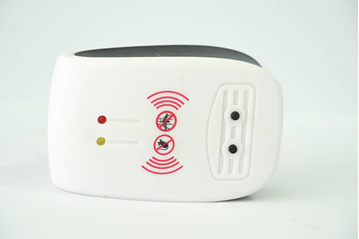
Ultrasonic pest repellers produce high-frequency sound waves that are usually above the range of human hearing.
Manufacturers claim these sounds create an uncomfortable environment for pests such as rodents, cockroaches and some insects. The goal is to encourage pests to leave the area without using traps or pesticides.
Because the devices plug directly into power points and require little maintenance, many homeowners see them as a convenient DIY pest control option.
However, sound waves behave differently from what many people expect. Furniture, walls and other household objects can block or reduce ultrasonic waves, meaning the sound may not reach every area where pests hide.
What Does the Research Say?
Scientific studies have produced mixed results.
Some research suggests ultrasonic devices may temporarily disturb certain rodents under controlled conditions. However, there is limited evidence that they provide reliable, long-term control in real homes or commercial buildings.
Many pest management professionals also report that rodents and insects can become accustomed to the sound over time. When food, water and shelter remain available, pests often continue living nearby despite the device.
For this reason, organisations and industry experts generally do not recommend ultrasonic pest repellers as the only method of pest control.
Why Do Pest Problems Continue?
Even if an ultrasonic device affects pest behaviour, it does not remove the conditions that attracted pests in the first place.
Rodents and insects enter homes because they are looking for food, moisture and shelter. Crumbs under appliances, leaking pipes, overflowing rubbish bins and small entry points all make a property more inviting.
Unless these issues are addressed, pests are likely to return or remain hidden elsewhere in the building.
Successful pest prevention focuses on eliminating the source of the problem rather than relying on a single product.
Better Ways to Prevent Pests
Long-term pest prevention starts with good home maintenance.
Store food in sealed containers and clean kitchens regularly to remove crumbs and spills. Repair leaking taps, improve ventilation and reduce excess moisture wherever possible.
You should also seal gaps around doors, windows and utility pipes to reduce pest entry points. Keeping gardens tidy and removing clutter around the home also makes it harder for pests to find shelter.
If pest activity continues despite these efforts, a professional pest inspection can identify hidden nesting areas and recommend the most effective pest management solution.
Ultrasonic pest repellers may appeal to homeowners looking for an easy solution, but current evidence suggests they work best, if at all, as a small part of a broader pest prevention strategy.
The most effective residential pest control combines good housekeeping, routine maintenance, regular inspections and targeted treatments when necessary.
By focusing on prevention instead of quick fixes, homeowners can reduce recurring infestations and create a healthier, more comfortable home throughout the year.
We acknowledge the Traditional Custodians of Country throughout Australia and their connections to land, sea, and community.
We pay our respect to their Elders past and present and extend that respect to all Aboriginal and Torres Strait Islander peoples today.