Send us a message and one of our specialists pest managers will be in touch
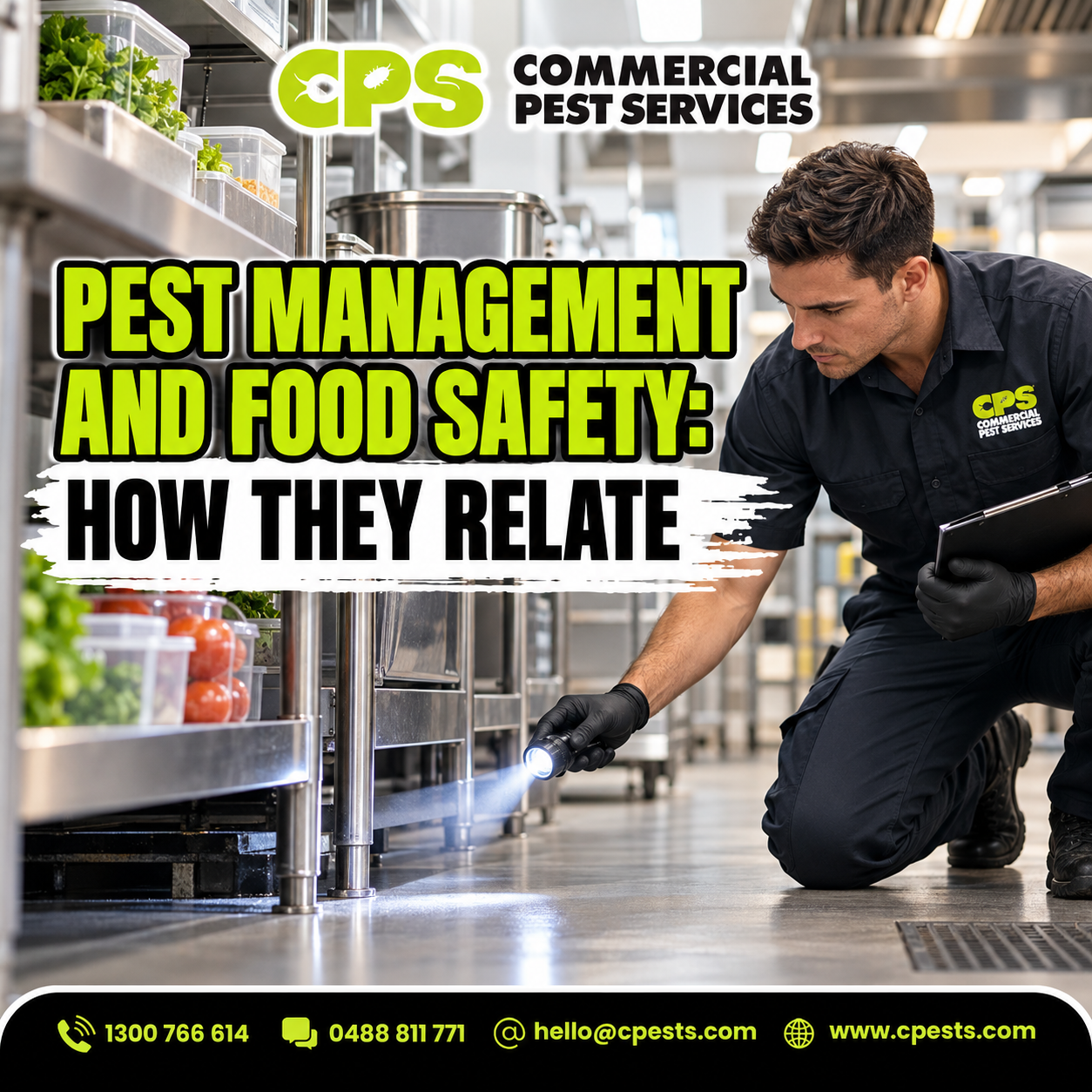
Pest Management and Food Safety: Why They Go Hand in Hand
September 27, 2026
Food safety is about much more than preparing meals correctly. Every day, businesses and organisations work hard to keep food safe from contamination, and pest management plays an important role in that effort. Pests such as rodents, cockroaches, flies and stored product insects can contaminate food, equipment and preparation areas. Without effective pest management, they […]
Food safety is about much more than preparing meals correctly. Every day, businesses and organisations work hard to keep food safe from contamination, and pest management plays an important role in that effort.
Pests such as rodents, cockroaches, flies and stored product insects can contaminate food, equipment and preparation areas. Without effective pest management, they may spread harmful bacteria, damage food supplies and increase the risk of foodborne illness.
Today, food safety is one of the ultimate goals of modern pest management. Around the world, food businesses, industry professionals and pest management providers work together to reduce contamination risks and help protect public health.
Why Pest Management Matters for Food Safety
Pests can carry bacteria, viruses and other harmful microorganisms on their bodies. As they move through rubbish areas, drains and other contaminated environments, they may transfer these contaminants onto food preparation surfaces or food packaging.
Rodents can damage stored food and leave droppings behind. Cockroaches may spread bacteria as they travel through kitchens, while flies can carry microorganisms from waste directly onto exposed food.
For this reason, food safety programs often include preventive pest management as an essential requirement alongside cleaning, sanitation and proper food handling.
The summit was held before the World Pest Day 2026 and it shared expert-led discussions, innovation, and collaborations about the real-world challenges and forward-looking solutions shaping the future of public health and food safety across diverse global environments.
What Happens When Pest Management Is Neglected?
Ignoring pest management can have serious consequences.
Food contamination may lead to food recalls, business closures, legal action and lasting damage to a company’s reputation. More importantly, contaminated food can affect the health of customers, staff and the wider community.
Recent food safety investigations around the world have shown that poor hygiene, pest activity and inadequate food safety practices have contributed to foodborne illness outbreaks in restaurants, food production facilities and retail businesses. While pests are rarely the only cause, failing to control them increases the overall risk of contamination and makes food safety harder to maintain.
Preventing pests before they become established is therefore much safer than responding after contamination has already occurred.
Pest Management Protects More Than Food Businesses
Food safety extends beyond restaurants and commercial kitchens. Many other industries also rely on effective pest management because they serve or prepare food for large groups of people.
Restaurants, Cafés and Food Manufacturing
These businesses prepare, store and serve food every day. Even minor pest activity can contaminate ingredients, interrupt operations and affect customer confidence.
Children are more vulnerable to foodborne illnesses because their immune systems are still developing. Maintaining clean food preparation and dining areas helps create a safer environment for students and staff.
Older adults often have weaker immune systems and may experience more serious complications from contaminated food. Preventive pest management helps support hygiene and resident wellbeing.
Shared kitchens, lunchrooms and break areas can attract pests if food waste is not managed properly. Routine inspections help maintain a clean and healthy workplace for employees.
Food courts serve large numbers of people every day through multiple food outlets in one location. Consistent pest management helps reduce cross-contamination risks and supports public confidence.
Correctional facilities prepare and serve thousands of meals each day. Effective pest management helps protect food supplies, maintain hygiene standards and safeguard the health of both inmates and staff.
Many businesses also follow Hazard Analysis and Critical Control Points (HACCP) principles, while professional pest management programs often use Integrated Pest Management (IPM) to reduce pest risks through monitoring, prevention and targeted treatments. Read More.
Protecting Public Health Starts With Prevention
Food safety is a shared responsibility. Good hygiene, safe food handling and proper cleaning all play important roles, but they are even more effective when combined with preventive pest management.
Across the world, food industry professionals, environmental health teams and pest management providers continue working towards the same goal: protecting public health through safer food.
Protect your Business Reputation, Maintain Food Safety, & Keep Pests Away with CPS.
We acknowledge the Traditional Custodians of Country throughout Australia and their connections to land, sea, and community.
We pay our respect to their Elders past and present and extend that respect to all Aboriginal and Torres Strait Islander peoples today.