Send us a message and one of our specialists pest managers will be in touch
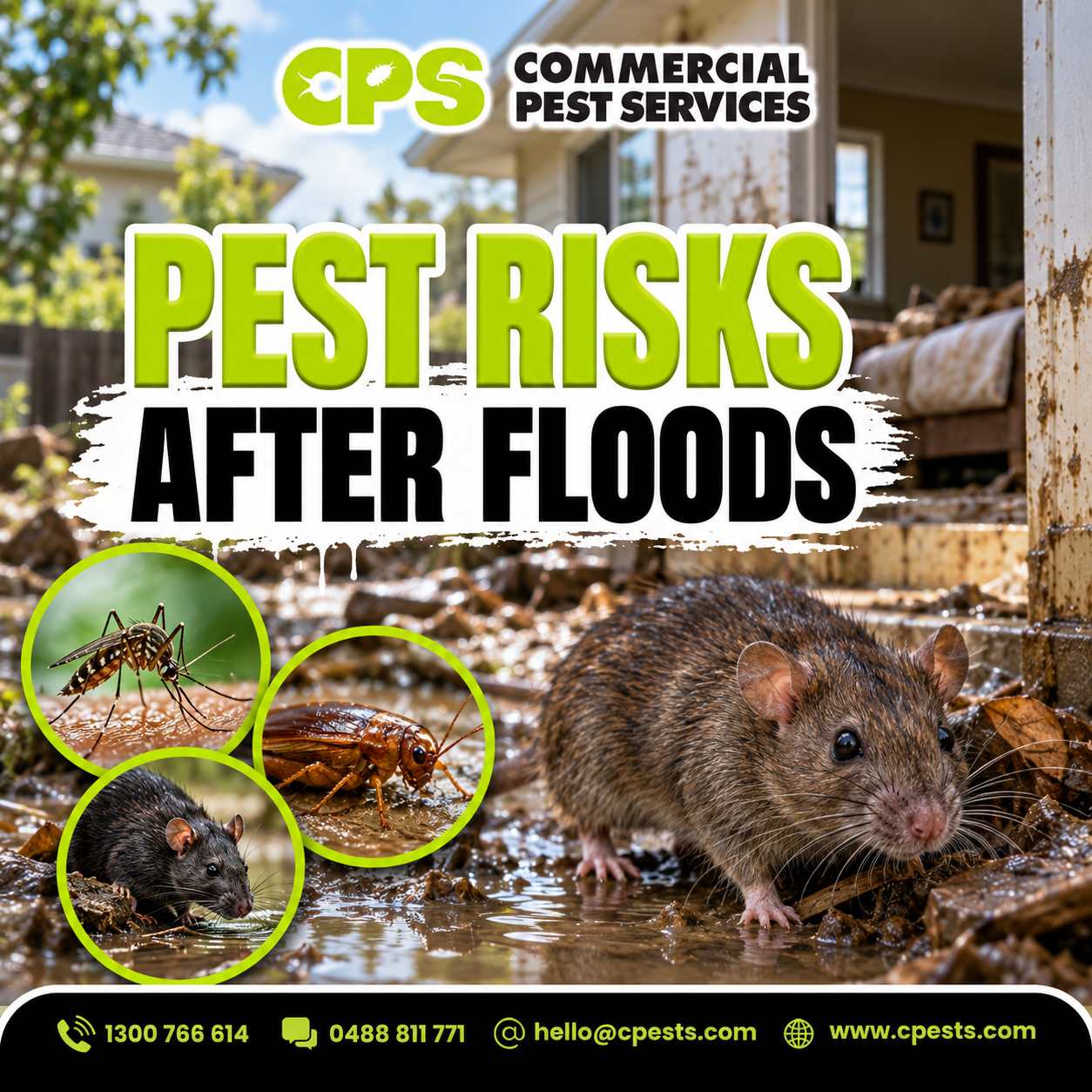
Pest Risks After Floods
September 29, 2026
Floods can leave behind more than water damage. Once the floodwaters recede, many homeowners begin cleaning and repairing their properties. However, another problem often appears during the recovery process. An increase in pest activity. Floodwater changes the environment in many ways. It creates standing water, damages buildings and forces pests to move to new locations. […]
Floods can leave behind more than water damage. Once the floodwaters recede, many homeowners begin cleaning and repairing their properties. However, another problem often appears during the recovery process. An increase in pest activity.
Floodwater changes the environment in many ways. It creates standing water, damages buildings and forces pests to move to new locations. As a result, homes and businesses may become attractive places for insects and rodents looking for food and shelter.
Understanding the pest risks after floods can help you protect your property and recover more safely.
Why Do Floods Increase Pest Activity?
Floods disrupt the natural habitats of many pests.
As water covers burrows, nests and gardens, rodents, insects and other wildlife search for dry places to survive. At the same time, flood-damaged homes often provide easy access through broken doors, damaged walls and gaps around foundations.
Flood recovery can also create ideal conditions for pests. Standing water encourages mosquito breeding, while damp building materials attract cockroaches and other moisture-loving insects. Food waste, overflowing rubbish and debris can further increase pest activity.
For these reasons, pest prevention should be part of every flood recovery plan.
Mosquitoes
Mosquitoes are usually one of the first pests to increase after flooding.
Even small amounts of standing water can become breeding sites within a few days. Buckets, containers, blocked gutters and damaged outdoor items may all collect water after heavy rain.
Besides causing itchy bites, mosquitoes can carry diseases such as Ross River virus, Barmah Forest virus and, in some regions, Murray Valley encephalitis virus.
Removing standing water as soon as it is safe to do so is one of the most effective ways to reduce mosquito numbers.
Rodents
Floodwater often destroys rodent burrows, forcing rats and mice to search for new shelter.
Homes, sheds and garages provide warmth, food and protection, making them attractive places to nest.
During clean-up, watch for droppings, gnaw marks, scratching sounds and damaged food packaging. Early action helps prevent rodents from becoming established indoors.
Cockroaches and Flies
Cockroaches thrive in damp conditions, especially when buildings remain wet after flooding.
Meanwhile, flies are attracted to food waste, rubbish and decaying organic matter that may be left behind during recovery.
Good hygiene plays an important role in reducing both pests. Dispose of spoiled food safely, clean affected areas thoroughly and empty rubbish bins regularly.
How to Reduce Pest Risks During Flood Recovery
Cleaning up after a flood takes time, but a few practical steps can help reduce pest activity.
Dry your home as quickly as possible using ventilation, fans or dehumidifiers when appropriate.
Remove standing water from your property.
Dispose of flood-damaged food immediately.
Inspect home for cracks, damaged screens, and other entry points that pests may enter.
As you clean, wear protective gloves and avoid direct contact with rodent droppings or contaminated materials to reduce health risks.
When Should You Arrange a Pest Inspection?
Some pest problems are easy to spot, while others remain hidden after flood damage.
If you notice ongoing mosquito activity, rodent droppings, cockroaches, unusual odours or signs of nesting, it is a good idea to arrange a professional pest inspection.
We acknowledge the Traditional Custodians of Country throughout Australia and their connections to land, sea, and community.
We pay our respect to their Elders past and present and extend that respect to all Aboriginal and Torres Strait Islander peoples today.