Send us a message and one of our specialists pest managers will be in touch
Common Summer Pests Across Australia
September 28, 2026
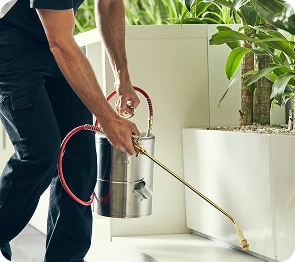
When a pest control technician arrives at your home or business, it is easy to focus on the equipment they carry or the treatment they provide. However, the most valuable tool is something you cannot see : professional training.
Every property is different, and every pest behaves differently. That is why effective pest management relies on knowledge, experience, and continuous learning instead of simply applying the same treatment everywhere. Behind every successful pest solution are technicians who understand pests, keep up with industry changes, and know how to deliver safe and effective results.
So, what makes professional training so important?
Summer is one of the busiest seasons for pests across Australia. Longer days, warmer temperatures and higher humidity create ideal conditions for many insects and rodents to search for food, water and shelter. As families spend more time outdoors and windows stay open, pests also find more opportunities to enter homes.
While a few insects may seem harmless, some pests can contaminate food, damage property or create health risks if left unmanaged.
Knowing which pests are most active during summer can help you protect your home before small problems become larger infestations.
Why Are Pests More Active in Summer?
Like most living creatures, pests become more active when the weather is warm.
Higher temperatures speed up their life cycles, allowing many species to breed and grow more quickly. Summer storms and increased rainfall in some regions also create extra moisture, encouraging mosquitoes and other insects to thrive.
At the same time, outdoor dining, barbecues and overflowing rubbish bins provide easy food sources that attract a wide range of household pests.
Because of these seasonal changes, summer is one of the best times to focus on preventive residential pest control.
Ants are among the most common summer pests in Australia.
During warmer months, worker ants search continuously for food and water. Sweet drinks, fruit, pet food and even small crumbs can quickly attract an entire trail of ants into your home.
To reduce ant activity, clean food spills promptly, store food in sealed containers and seal small entry points around doors and windows.
Mosquitoes
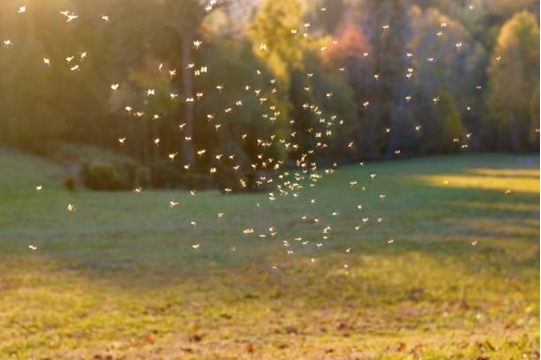
Mosquito populations often increase during summer, especially after periods of rain.
Standing water in buckets, pot plant trays, bird baths and blocked gutters provides ideal breeding sites. Besides causing itchy bites, mosquitoes can also carry diseases such as Ross River virus, Barmah Forest virus and, in some regions, Murray Valley encephalitis virus.
Removing standing water and repairing damaged flyscreens are simple but effective ways to reduce mosquito activity around your property.
They hide in kitchens, bathrooms, laundries and roof spaces, emerging mainly at night to search for food and water. Besides being unpleasant, cockroaches can contaminate food preparation areas and trigger allergies in some people.
Reducing moisture, repairing leaks and keeping food properly stored can make your home less attractive to cockroaches.
Wasps and Bees
Summer also brings increased activity from bees and wasps as colonies expand.
Although bees are valuable pollinators and should be protected whenever possible, both bees and wasps may become defensive if their nests are disturbed.
If you discover a nest close to your home or outdoor entertaining area, avoid handling it yourself and seek professional advice.
Keep Summer Pests Outside
Summer is the perfect season to enjoy your home and outdoor spaces, but it is also when pests become most active.
By understanding which pests are most common during summer and taking preventive action early, you can enjoy a safer, healthier and more comfortable home throughout the season.
We acknowledge the Traditional Custodians of Country throughout Australia and their connections to land, sea, and community.
We pay our respect to their Elders past and present and extend that respect to all Aboriginal and Torres Strait Islander peoples today.