Send us a message and one of our specialists pest managers will be in touch
How Pests Find Their Way into Buildings
September 30, 2026
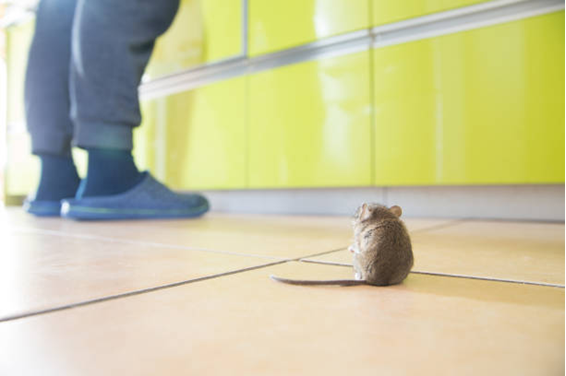
Many people wonder where pests come from when they suddenly appear inside a home or workplace. The truth is, pests do not appear by chance. They are constantly searching for food, water and shelter, and buildings often provide everything they need to survive. Whether it is a family home, office, warehouse or restaurant, even a […]
Many people wonder where pests come from when they suddenly appear inside a home or workplace. The truth is, pests do not appear by chance. They are constantly searching for food, water and shelter, and buildings often provide everything they need to survive.
Whether it is a family home, office, warehouse or restaurant, even a well-maintained property can become attractive to pests if small entry points or favourable conditions exist.
Understanding how pests find their way into buildings is the first step towards effective pest prevention.
Step 1: Pests Search for Food, Water and Shelter
Like all living creatures, pests need basic resources to survive.
Food scraps, overflowing rubbish bins, pet food, standing water and cluttered storage areas all make a property more attractive. During hot summers or cold winters, pests also look for comfortable places that provide protection from harsh weather.
Once they discover a reliable source of food and shelter, they often return repeatedly. Some pests even leave scent trails or chemical signals that attract others from the same colony.
This is why good housekeeping plays such an important role in pest prevention.
Step 2: They Find Small Entry Points
Pests rarely need a large opening to enter a building.
In fact, many insects can squeeze through tiny cracks around doors, windows and walls. Rodents can also fit through surprisingly small gaps, making damaged seals and openings around utility pipes common access points.
Doors and Windows
Poorly sealed doors, damaged flyscreens and gaps beneath door frames provide easy access for ants, spiders, cockroaches and flying insects.
Cracks and Gaps
Small cracks in walls, foundations and brickwork may seem harmless, but they can become entry points for crawling pests.
Roofs and Gutters
Broken roof tiles, damaged vents and blocked gutters create opportunities for birds, rodents and insects to enter roof spaces.
Pipes and Utility Lines
Openings around plumbing, electrical cables and air-conditioning pipes often allow pests to move between indoor and outdoor areas.
Deliveries and Packaging
Sometimes pests arrive without anyone noticing. Cardboard boxes, pallets, deliveries and second-hand furniture may unintentionally introduce insects into homes or businesses.
Step 3: They Look for Safe Hiding Places
After entering a building, pests usually remain hidden.
Wall cavities, roof voids, cupboards, storage rooms, basements and behind large appliances provide quiet places where pests can rest, breed and avoid human activity.
Because many pests are active at night, homeowners often do not realise they are present until populations become larger.
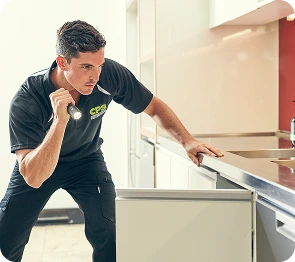
Regular inspections help identify hidden activity before it develops into a serious infestation.
Why Pests Stay
Pests will continue living inside a building if they find everything they need.
Leaking pipes provide water. Food crumbs offer reliable meals. Clutter creates safe hiding places, while warm indoor temperatures allow many pests to remain active throughout the year.
Without removing these conditions, pests are more likely to stay and reproduce.
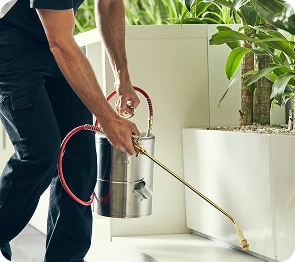
That is why professional pest management focuses on addressing both the pests and the conditions attracting them.
Breaking the Journey Before It Starts
Fortunately, most pest problems can be reduced through simple preventive measures.
In addition, regular professional pest inspections also help detect early signs of activity before pests become established.
By making your property less attractive and more difficult to enter, you significantly reduce the chance of future infestations.
Prevent pests from entering your property. Contact Us Now.
We are committed to providing services that are effective, transparent, and easy to understand.
Book an inspection now with CPS today to arrange a professional inspection and tailored treatment plan.
We acknowledge the Traditional Custodians of Country throughout Australia and their connections to land, sea, and community.
We pay our respect to their Elders past and present and extend that respect to all Aboriginal and Torres Strait Islander peoples today.