Send us a message and one of our specialists pest managers will be in touch
Spider Control for Commercial Properties
June 4, 2026
Autumn Spider Control for Commercial Properties: What Facility Managers Need to Know As temperatures drop during autumn, spiders begin moving indoors in search of warmth, shelter, and stable environments. For commercial properties, this seasonal shift creates more than just an occasional pest sighting. It can lead to workplace safety concerns, reputational damage, hygiene issues, and […]
Autumn Spider Control for Commercial Properties: What Facility Managers Need to Know
As temperatures drop during autumn, spiders begin moving indoors in search of warmth, shelter, and stable environments. For commercial properties, this seasonal shift creates more than just an occasional pest sighting. It can lead to workplace safety concerns, reputational damage, hygiene issues, and compliance risks.
Commercial buildings naturally provide ideal harbourage areas for spiders, especially in:
Warehouse racking
Roof voids
Storage rooms
Loading docks
Electrical infrastructure
Ceiling cavities
By the time spiders become visible in high-traffic areas, populations are often already established in hidden zones throughout the building.
Why Autumn Increases Spider Activity
During cooler months, spiders leave outdoor harbourage areas such as gardens, fencing, and perimeter structures and move into buildings where temperatures remain more stable.
This movement usually begins during autumn, not winter. Early prevention is important because infestations often establish quietly before sightings become noticeable.
Commercial sites with low-traffic storage areas, cardboard stock, warm equipment zones, and external landscaping are particularly vulnerable.
Spider Species That Matter Most
Different spider species create different risks inside commercial environments.
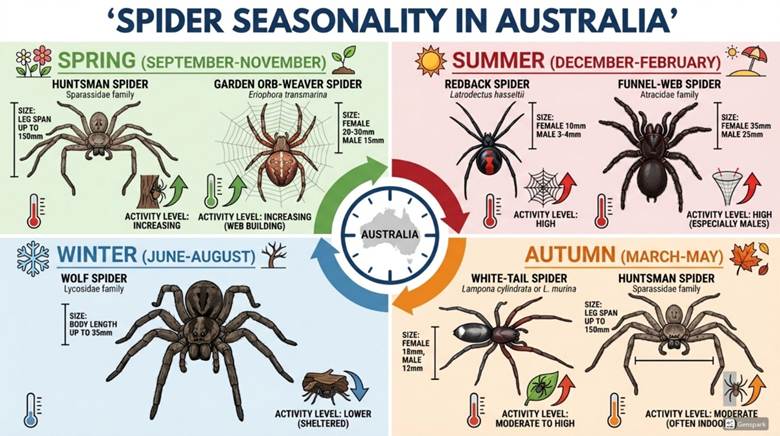
Red-back spiders
Red-backs are the highest-risk commercial spider species due to their medically significant venom. They commonly establish in:
Warehouse racking
Electrical housings
Outdoor furniture
Storage equipment
Bin areas
For workplaces, red-back activity becomes a WH&S concern because employees may accidentally encounter spiders while handling equipment or stock.
White-tail spiders
White-tail spiders are highly mobile indoor hunters commonly found in:
Storage rooms
Break rooms
Utility areas
Cardboard storage
Although less medically dangerous than commonly believed, they still create concern for staff and occupants.
Huntsman spiders
Huntsmans pose low venom risk but high reputational risk, especially in:
Hotels
Restaurants
Offices
Schools
Visible sightings in guest-facing environments can negatively affect customer experience and reviews.
Funnel-web spiders
In Sydney and surrounding NSW regions, funnel-web spiders become an important safety concern around landscaped commercial properties, retaining walls, and outdoor walkways.
High-Risk Areas in Commercial Buildings
Spider activity is most commonly found in:
Loading docks
Warehouse racking
Roof voids
Ceiling spaces
Electrical rooms
Server rooms
Storage zones
Cardboard packaging is also a major harbourage source because spiders frequently travel inside incoming stock deliveries.
WH&S and Compliance Responsibilities
Under Australian WH&S legislation, businesses have a duty of care to minimise workplace hazards.
Known red-back spider activity in staff work areas may create compliance risks if no documented management plan exists.
A compliant spider management program should include:
Site inspections
Species identification
Treatment records
Monitoring
Staff awareness
Documented service reporting
Professional reporting helps support:
WH&S audits
WorkCover investigations
Internal compliance programs
Prevention Strategies
Long-term spider prevention focuses on reducing harbourage and limiting entry points.
Important prevention steps include:
Sealing gaps around doors, walls, and penetrations
Reducing clutter and cardboard storage
Managing external vegetation near building walls
Maintaining clean storage zones
Reducing lighting that attracts insects near entry points
Spiders usually establish where prey insects are active, so insect management also plays an important role.
Professional Spider Management
Professional spider control programs focus on:
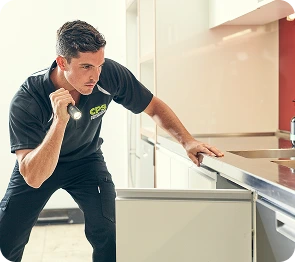
Inspection-first treatment
Species identification
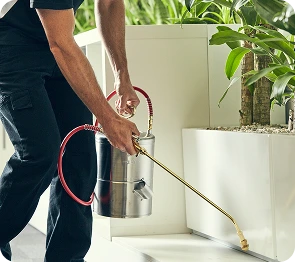
Targeted residual treatment
Harbourage reduction
Ongoing monitoring
Seasonal follow-up services
Different commercial zones require different treatment methods. Food areas, storage zones, electrical infrastructure, and customer-facing spaces all require tailored treatment approaches.
Conclusion
Autumn is the most important time for commercial spider prevention because this is when spider populations begin moving indoors and establishing hidden harbourage areas.
Early inspections and targeted treatment help reduce:
WH&S risks
Customer complaints
Workplace incidents
Long-term infestations
For commercial properties, spider management should be treated as part of ongoing building risk management rather than seasonal reactive treatment.
Autumn doesn’t reduce spider pressure for commercial buildings.
It redirects it — from the perimeter, the loading dock, and the garden beds into the building itself.
For facility managers, this is the window that matters. The spider population establishing in your warehouse racking and roof void in April is the one you’ll be managing as a problem in July. Acting before it consolidates is always faster and cheaper than responding after it does.
Three things most commercial operators don’t know about autumn spiders:
→ Red-backs in electrical infrastructure are a WH&S obligation, not just a pest issue. Under Work Health and Safety legislation, a known red-back presence in a staff work area is a documented hazard. “Reasonably practicable” control means treatment, documentation, and staff awareness — not a can of spray from the hardware store. A WorkCover investigation after a staff bite will ask for your pest management records first.
→ Cardboard packaging at your loading dock is a spider vector. Incoming stock deliveries during autumn bring spiders from supplier warehouses into your building inside the packaging. A receiving inspection protocol — particularly for deliveries from high-risk storage environments — is a practical step that almost no commercial operation currently has in place.
→ The treatment zone most sites miss is the base of racking. The lower sections of warehouse racking that haven’t been moved in several weeks are the most consistently spider-inhabited zone in any commercial storage environment. Most commercial cleaning programs don’t reach it. Most pest programs don’t prioritise it. CPS does — because that’s where the red-backs are.
The three commercial environments where autumn spider management is non-negotiable: warehouses with staff working in racking access zones, hospitality venues where a guest sighting directly affects a review, and Sydney commercial properties with landscaped perimeter areas in funnel-web territory.
If your last professional spider treatment was more than six months ago, now is the time.
A spider-free commercial space is one click away. Contact CPS today to book a professional spider inspection and keep your property safer, cleaner, and better protected this autumn.
We acknowledge the Traditional Custodians of Country throughout Australia and their connections to land, sea, and community.
We pay our respect to their Elders past and present and extend that respect to all Aboriginal and Torres Strait Islander peoples today.