Send us a message and one of our specialists pest managers will be in touch
Can Pests Affect Your Home’s Value?
September 2, 2026
For many homeowners, a property is one of life’s biggest investments. Naturally, maintaining its value is a priority. However, one factor that is often overlooked is pest activity. Whether you are planning to sell your home or purchase a new one, pests can quickly become a major concern. In many cases, homeowners only discover hidden […]
For many homeowners, a property is one of life’s biggest investments. Naturally, maintaining its value is a priority. However, one factor that is often overlooked is pest activity. Whether you are planning to sell your home or purchase a new one, pests can quickly become a major concern.
In many cases, homeowners only discover hidden pest issues during a pre-sale building and pest inspection. By then, repairs, treatments, or further investigations may already be necessary.
Understanding how pests can affect your property’s value allows you to take action before small problems become costly.
Structural Damage Can Reduce Property Value
Some pests cause far more than inconvenience.
Termites are one of the biggest concerns because they feed on timber and may damage structural components without obvious signs. Rodents can also chew electrical wiring, insulation, and timber, while moisture-loving pests often indicate underlying building issues.
When structural damage is identified, buyers may negotiate a lower purchase price or request repairs before proceeding.
Repair Costs Can Add Up Quickly
The longer pest problems remain untreated, the more expensive they often become.
Treating an active infestation is only one part of the process. Homeowners may also need to repair damaged timber, replace insulation, fix wiring, or restore affected areas after treatment.
Addressing pest activity early is usually much more affordable than managing extensive repairs later.
Pest Findings Can Raise Questions During Property Sales
Building and pest inspections play an important role in many Australian property transactions.
If an inspection identifies active termites, rodent activity, moisture issues, or other pest risks, buyers may become cautious about the property’s condition. In some situations, lenders or insurers may also require additional information before the sale progresses.
Having recent pest inspection reports and maintenance records can provide reassurance and demonstrate that the property has been properly cared for.
First Impressions Matter
Even when pests have not caused significant damage, they can still affect how buyers feel about a home.
Visible ant trails, cockroach sightings, rodent droppings, bird nests, or unpleasant odours may create concerns about cleanliness, maintenance, and future expenses.
Although these problems may be manageable, they can influence buyer confidence during inspections and open homes.
Common Household Pests That Can Affect Homes
Different pests create different risks.
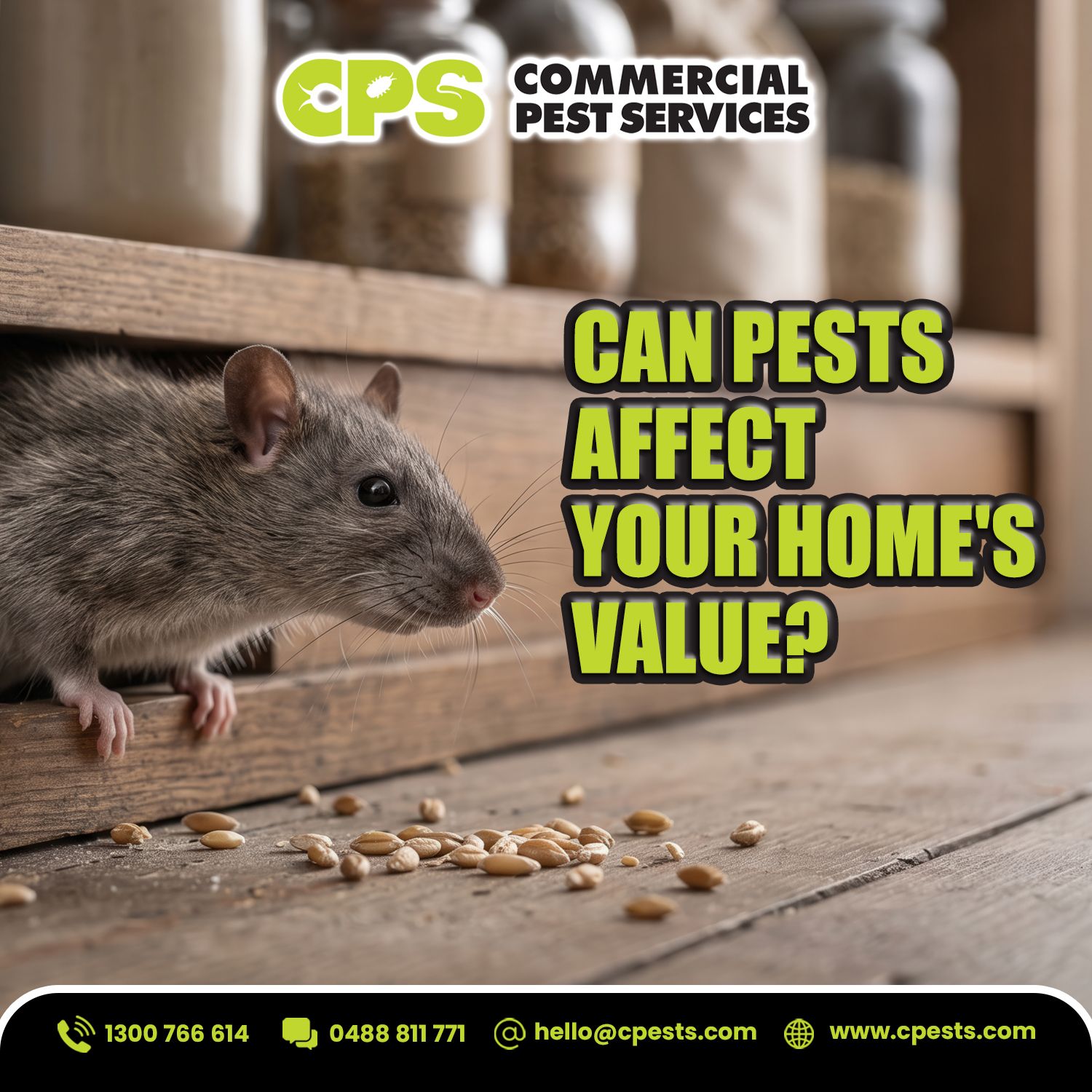
Termites may damage timber structures, while rodents can contaminate food and damage electrical wiring. Cockroaches and ants often raise hygiene concerns, particularly in kitchens and pantries. Birds nesting around roofs may block gutters and create ongoing maintenance issues.
Understanding these risks helps homeowners choose the right residential pest control solution before problems escalate.
How to Protect Your Home’s Value
Fortunately, there are several practical steps homeowners can take.
Before selling, arrange a licensed building and pest inspection to identify any hidden issues.
If pests are found, organise targeted treatment and complete any necessary repairs as soon as possible.
Fix leaking pipes, improve ventilation, reduce excess moisture, and maintain good drainage around the property. These conditions help make your home less attractive to pests.
Finally, keep copies of pest inspection reports, treatment records, and maintenance certificates. Providing this documentation gives potential buyers greater confidence and demonstrates ongoing care.
Choose a Trusted Pest Management Partner
Protecting your home’s value is about more than treating pests after they appear. It involves understanding potential risks, responding early, and maintaining your property over time.
We acknowledge the Traditional Custodians of Country throughout Australia and their connections to land, sea, and community.
We pay our respect to their Elders past and present and extend that respect to all Aboriginal and Torres Strait Islander peoples today.