Send us a message and one of our specialists pest managers will be in touch
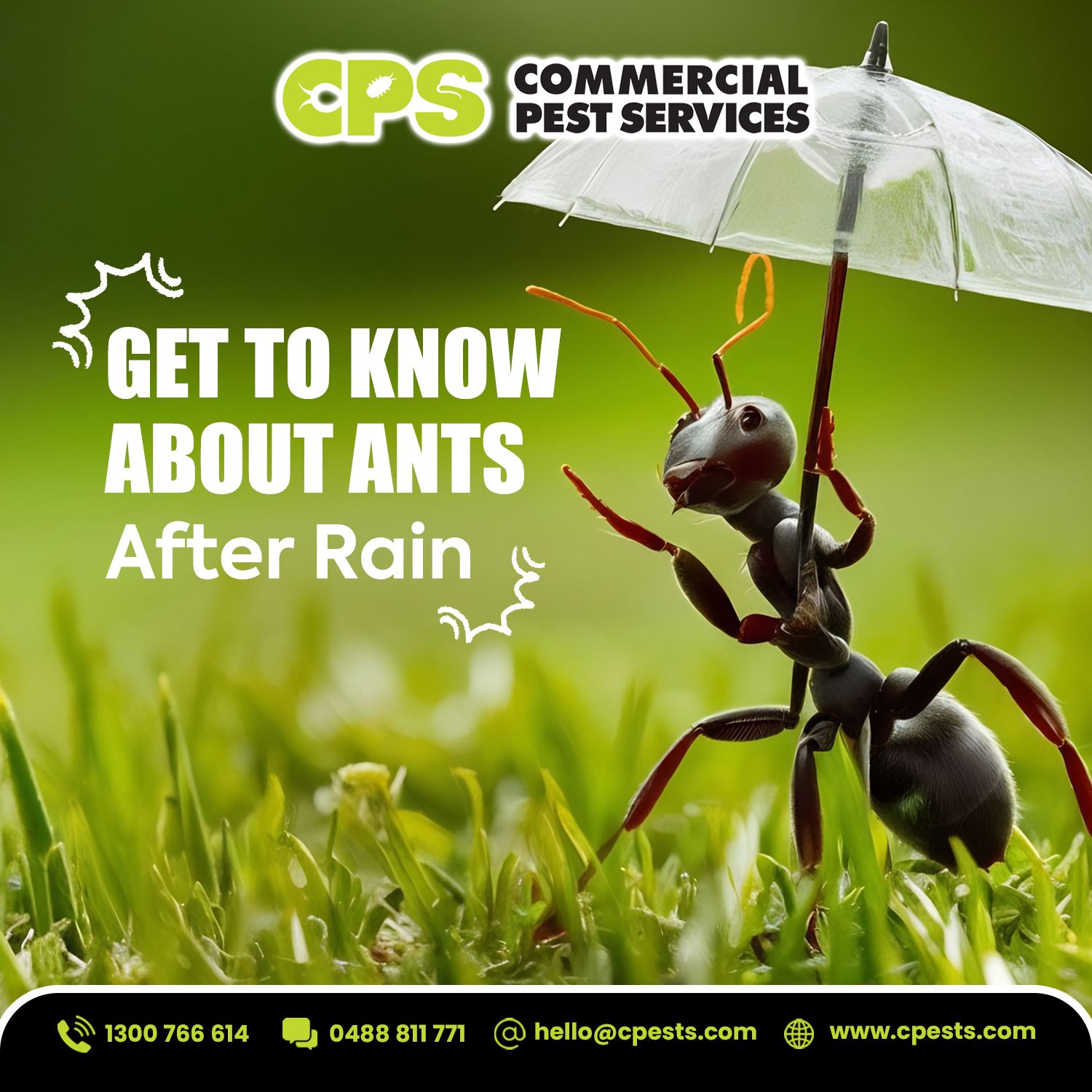
Ant Activity After Rain: Why are they worse?
September 2, 2026
The rain does not create more ants overnight. Instead, it changes the environment around their nests and forces them to behave differently.
Have you ever noticed a line of ants marching through your kitchen shortly after a storm? If so, you’re not imagining it. Many Australian homeowners experience the same thing every year.
The rain does not create more ants overnight. Instead, it changes the environment around their nests and forces them to behave differently. Once you understand why this happens, it becomes much easier to reduce ant activity around your home.
What Happens to Ant Behavior When It Rains?
Most ant species build their colonies underground. Their nests protect the queen, eggs, and thousands of worker ants from the outside environment.
However, heavy rainfall can flood ants’ underground nests, which forces ants from established ant colonies to move to higher ground or dry ground. As water fills the nest, worker ants quickly search for safer and drier locations. Homes, garages, and outdoor structures often provide the shelter they need. Displaced ants may set up temporary nests until outdoor conditions improve.
This is why you may suddenly notice ants indoors after several days of rain.
Why Do They Come Inside?
Finding shelter is only part of the reason.
Rain can also wash away many insects and other food sources ants normally find outdoors, which changes their foraging behavior. Once the ground becomes wet, wet soil can push displaced colonies closer to homes as ants search nearby indoor spaces for shelter, food, and water.
They are attracted to things such as:
Food crumbs on kitchen floors
Sugar or sweet drinks left on benches
Pet food bowls
Open rubbish bins
Moisture around sinks and plumbing, including indoor moisture from leaky faucets and leaky pipes as common moisture sources
Dirty dishes can also keep attracting ants once they get inside.
Even a very clean home can attract ants if these food and water sources are available.
Warm Weather After Rain Increases Activity
In many parts of Australia, rainfall is often followed by warm and humid weather.
These warm, humid, damp conditions and wet weather can change ant behavior, making ants more active as temperatures rise. Worker ants travel further from the nest, establish new trails, and sometimes even create new colonies.
As a result, homeowners may continue seeing ants for several days after the rain has stopped, which is the increased ant activity homeowners notice during rainy periods or rainy seasons as weather conditions continue to shift.
What Can You Do to Keep Ants Away?
Although you cannot control the weather, you can make your home less attractive to ants with a few preventive measures that also reduce the damp conditions attracting ants.
Here are a few simple habits that help:
Wipe away food spills and crumbs promptly.
Store pantry items in airtight containers.
Empty rubbish bins regularly.
Fix leaky faucets and leaky pipes, and reduce standing water around the home.
Seal entry points by checking common entry points and other potential entry points, including small openings around utility lines.
Use weather stripping and door sweeps around doors and windows.
Trim plants that touch the outside of your home.
Proper ventilation also helps control moisture issues and moisture levels indoors.
These small actions reduce the food, moisture, and access that ants rely on.
When Is It Time to Seek Professional Ant Control?
A few ants after rain are quite common and usually nothing to panic about.
However, if you notice large numbers of ants, especially from large colonies, repeated trails, or recurring ant infestations returning every time it rains, there may be an established colony close to your property.
Professional pest control can identify different ant species, including common ant species, locate likely nesting areas such as wall voids and crawl spaces, and recommend treatments that target the colony rather than just the ants you see.
Some ant infestations involve satellite nests in damp wood or near wood structures, which can point to carpenter ants.
If activity is severe, spreading, or keeps coming back, seek professional help from a pest control specialist to reduce future infestations.
Long-term ant control always starts by understanding the source of the problem. Explore our ant control.
A Little Rain Can Reveal a Bigger Issue
A heavy downpour can drive rain ants from outdoor nests into indoor spaces, changing how ants behave. It encourages them to leave flooded nests, search for food, and explore new shelter, including your home.
By understanding this natural behaviour, how ants respond to environmental changes, and by reducing easy access points while maintaining good household hygiene, homeowners can significantly reduce ant activity throughout the year.
We are committed to providing services that are effective, transparent, and easy to understand.
Book an inspection now with CPS today to arrange a professional inspection and tailored treatment plan.
We acknowledge the Traditional Custodians of Country throughout Australia and their connections to land, sea, and community.
We pay our respect to their Elders past and present and extend that respect to all Aboriginal and Torres Strait Islander peoples today.