Send us a message and one of our specialists pest managers will be in touch
The Difference between Clothes moths and Pantry moths – and Why it matters for the treatment plan
June 29, 2026
Overview of Clothes Moth And Moth Infestation Clothes moths are insects whose larvae feed on natural fibers, damaging textiles and causing economic and heritage losses. Moth infestations can ruin valuable clothing, upholstery, and carpets. CPS provides eco-friendly pest control solutions that target these pests while minimizing environmental impact. Moth Species And Common Clothes Moth Two […]
Overview of Clothes Moth And Moth Infestation
Clothes moths are insects whose larvae feed on natural fibers, damaging textiles and causing economic and heritage losses. Moth infestations can ruin valuable clothing, upholstery, and carpets. CPS provides eco-friendly pest control solutions that target these pests while minimizing environmental impact.
Moth Species And Common Clothes Moth
Two main species cause textile damage: the webbing clothes moth (Tineola bisselliella) and the case-making clothes moth (Tinea pellionella). The common clothes moth is a small, gold-colored insect that lays eggs on fabrics.
Case Making Clothes Moth
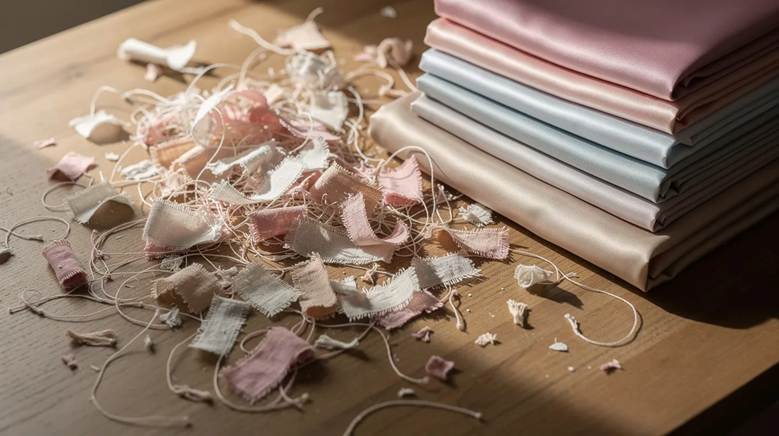
This species carries a distinctive portable silken case made from fabric debris and silk. You can find these cases attached to infested fabrics, often in dark, undisturbed areas like closets or under furniture.
Identification: Adults, Larvae And Lookalikes
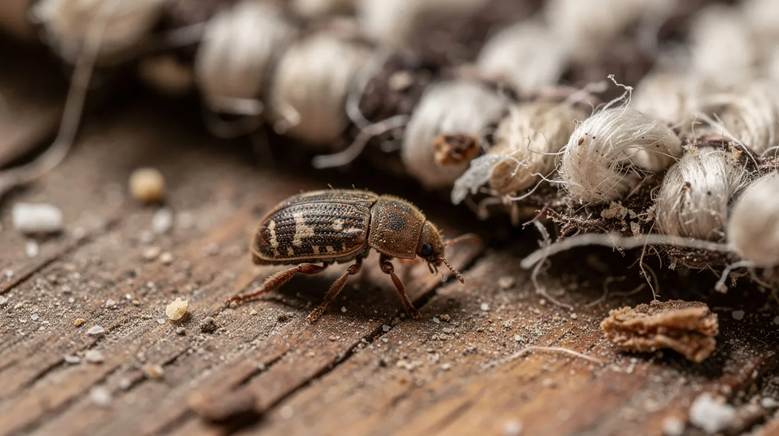
Adult clothes moths measure 6 to 10 mm with a wingspan around 12 mm. They are weak flyers and prefer dark environments. Larvae produce silk webbing and leave frass that resembles tiny grit matching the fabric color. Signs of infestation include holes in wool, silk, and other natural fibers. Carpet beetles and other insects can cause similar damage, so careful identification matters.
Clothes Moth Larvae: Life Cycle And Behavior
Clothes moth eggs hatch in 4 to 10 days. Larvae feed on keratin-rich fabrics for 35 days up to 2.5 years, producing silk tubes or cases. They prefer dark, undisturbed spots such as skirting boards, upholstered furniture, and closets.
Signs Of A Clothes Moth Infestation
Look for irregular holes in garments, especially along seams and folds. Check for silken tubes, webbing, or cast skins on fabrics. Inspect dark corners and behind furniture. Photograph damage to document infestation and assist professionals.
How Clothes Moths Differ From Pantry Moths (Why It Matters)
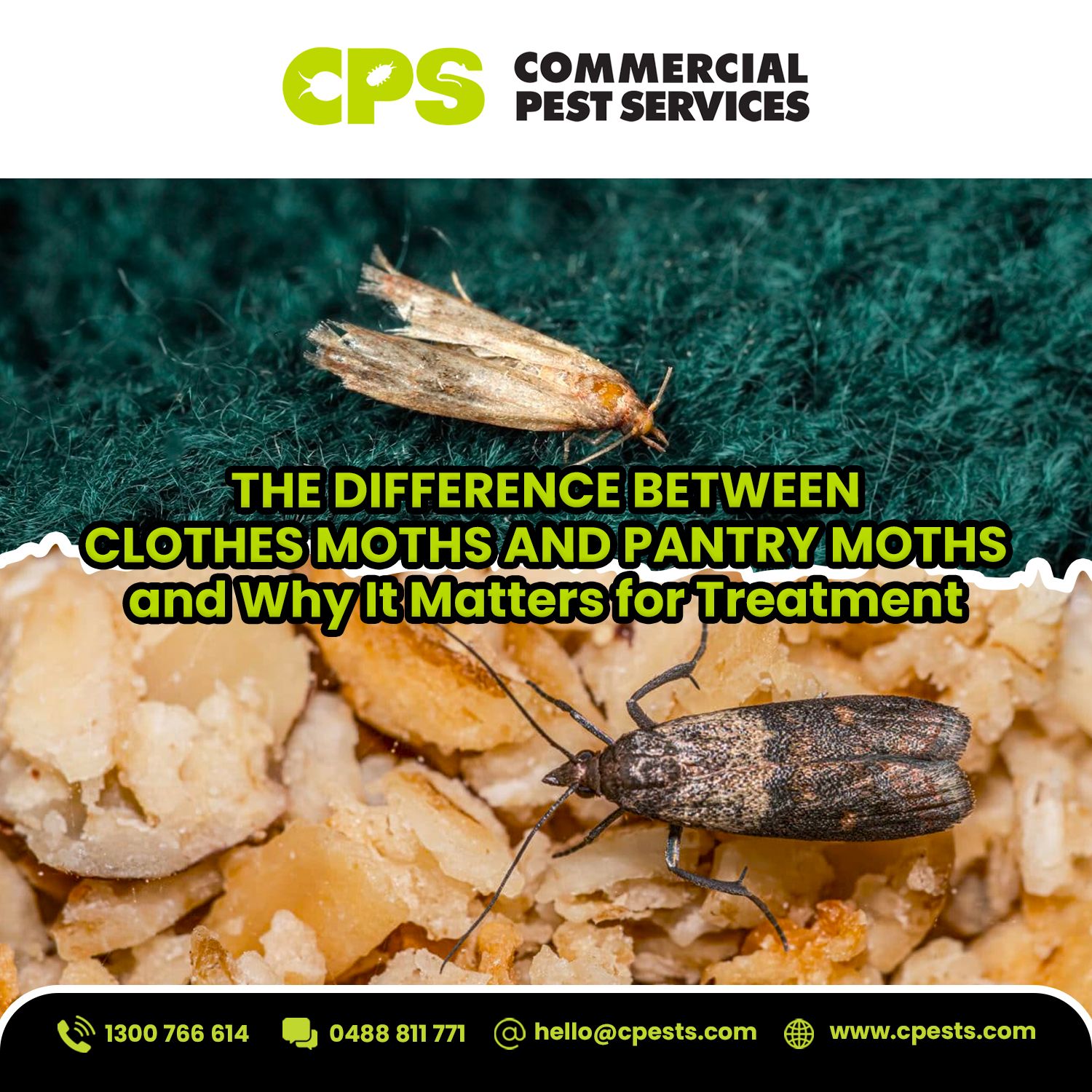
Pantry moths, such as Indian meal moths, infest dry foods like cereals, dried fruit, and pet food. Unlike clothes moths, pantry moth larvae feed inside food packaging, often leaving webbing and pupal cases. Pheromone traps differ by species, so using the correct trap is essential. Treatment varies: pantry moth infestations require discarding infested food and deep cleaning, while clothes moths need textile-focused interventions.
Inspection, Monitoring And Detection
Use pheromone traps to detect clothes moth male moths early. Sticky traps help catch pantry moth adults. Routine inspections of wardrobes and pantries allow early detection and faster control.
Treatment Options: DIY Approaches
Dry clean infested garments to kill larvae and eggs. Wash clothes in hot water (above 120°F) or tumble dry where fabric allows. Freeze non-washable items in sealed plastic bags at 0°F for at least one week to kill larvae and eggs. Vacuum affected areas thoroughly, focusing on skirting boards and dark corners.
Professional Control Moths: When To Call CPS
Call CPS for large infestations or heritage textiles requiring special care. CPS provides audit-ready reporting for businesses and eco-friendly, guaranteed treatments. Professionals may use fumigation, targeted insecticide dusts, or integrated pest management techniques for effective control.
Control Moths In Commercial Settings
Implement integrated pest management including routine monitoring, using CPS’s SMART Sense technology. Maintain compliance-ready records for audits and reduce moth activity with targeted treatments and hygiene measures.
Addressing Carpet Beetles And Other Lookalikes
Compare frass, damage patterns, and larvae to distinguish from carpet beetles. Use insecticides suitable for the specific pest. Conduct targeted inspections to confirm species before treatment.
Protecting Items In Storage And Preventing Future Infestations
Dry clean clothes before long-term storage. Store natural fibers in airtight containers to prevent moth access. Rotate and inspect stored items regularly. CPS Home-Shield offers seasonal checks to prevent moth problems before they start.
Quick Action Checklist For Suspected Infestations
Isolate affected items immediately. Vacuum and deep clean storage areas. Launder or dry-clean suspect garments promptly. Contact CPS for a professional assessment if you are unsure.
Resources And Further Reading
Refer to CPS for expert identification and treatment advice. CPS guarantees effective pest control backed by years of experience and eco-friendly methods. Contact CPS to protect your home or business from moth infestations.
Prevention Starts with Awareness
Contact CPS today to arrange a professional inspection and tailored treatment plan.
We acknowledge the Traditional Custodians of Country throughout Australia and their connections to land, sea, and community.
We pay our respect to their Elders past and present and extend that respect to all Aboriginal and Torres Strait Islander peoples today.