Send us a message and one of our specialists pest managers will be in touch
Cockroaches in Hospitals: The Three Zones That Require Different Treatment Approaches
June 4, 2026
Cockroach control in hospitals is more complex than in commercial buildings due to health, safety, compliance, and practical long-term prevention methods. Hospitals not only need zone-based sanitation for patient safety but also use non-chemical toxic control measures for effective management. The important zone-based chambers are the patient ward, ICU, food and kitchen areas, which are […]
Cockroach control in hospitals is more complex than in commercial buildings due to health, safety, compliance, and practical long-term prevention methods. Hospitals not only need zone-based sanitation for patient safety but also use non-chemical toxic control measures for effective management.
The important zone-based chambers are the patient ward, ICU, food and kitchen areas, which are the most frequently used spaces within hospitals in daily basis. These main areas should be treated as full comprehensive care, while also proceeding with the safest and most effective control.
Patient wards: Many patients return over time after a certain period, and that creates potential cockroach infestation. For example, for patients who have asthma and allergens and live with chronic diseases, pest eradication and patient comfort are very important.
Prevention in patient areas
Long-term prevention should focus on:
Sealing gaps around cabinets and fixtures
Closing service penetrations
Reducing clutter
Maintaining strict cleaning schedules
Fixing leaks quickly
These steps help remove the food, moisture, warmth, and hiding spaces that cockroaches rely on to survive.
Hospitals should also maintain pest sighting logbooks so recurring activity can be tracked early. Monitoring patterns by room, ward, or service area helps identify hidden infestations before they spread into larger patient zones.
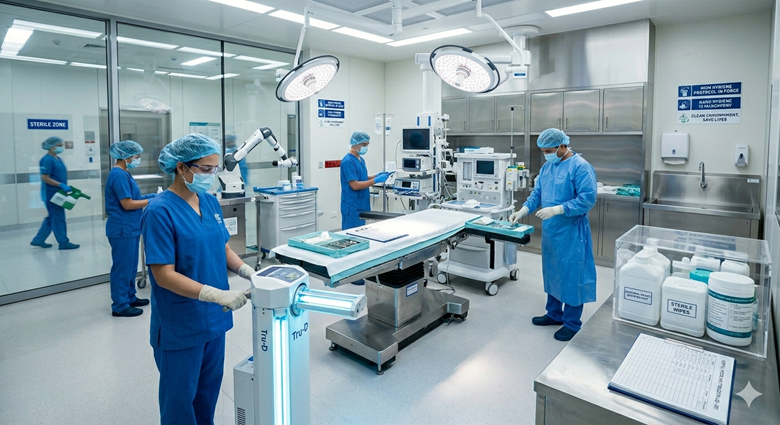
ICU rooms(Intensive Care Units): Cockroaches carry diseases, such as E. coli, Salmonella, and Pseudomonas on their legs and bodies, transferring diseases directly through medical equipment and sterile surfaces. In modern hospitals, ICU rooms are packed with warm, complex equipment. Cockroaches are naturally drawn to these warm voids, to the thought that they can contaminate the medical equipment.
Long-term prevention in ICU areas should focus on:
Sealing gaps around medical equipment and wall fixtures
Closing service penetrations and pipe openings
Maintaining strict sanitation routines
Controlling moisture and condensation
Reducing unnecessary storage and clutter
Strong prevention reduces contamination risks and helps maintain safer conditions for both patients and healthcare staff.
Food, kitchen, and storage areas: Foraging cockroaches walk through trash bin area and waste drains, which result in contaminating foods and diseases on the kitchen materials like utensils, glassware, food prep surfaces, and stored ingredients. That is why kitchen staff should prioritize a hygienic environment by keeping out the cockroach infestation.
Long-term prevention should focus on:
Cleaning behind and under appliances
Repairing leaks and blocked drains
Reducing grease buildup
Storing food in sealed containers
Removing waste regularly
Minimizing cardboard and excess storage
Cockroaches are especially attracted to:
Food crumbs
Grease residue
Damp floor drains
Warm motor areas behind equipment
How to approach these specialized rooms carefully?
To prevent from infesting across the three zones, patient wards, ICU rooms, kitchen, and storage areas, consider using these specialized approaches:
Pesticide-Free Sticky Monitoring Traps: This trap is useful for tracking the primary source of nesting sites, with instructions that include food-based pheromone (insect attractants in pest control, or scents (like banana or molasses) with pre-baited stations.
Desiccant Dusts (Diatomaceous Earth and Silica Gel): All-natural powders applied to the wall voids and structural cracks.
Boric Acid Powders: Low-toxicity powders that can effectively kill the cockroach as boric acid can reach through hard-to-reach structural cracks.
Comprehensive 8 Steps to get rid of Cockroaches in the three main chambers
Step 1: Full Site Inspection and Risk Assessment
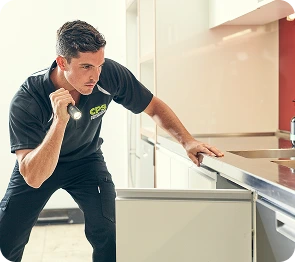
A proper cockroach control program always begins with a detailed inspection.
As technicians, we do not only look for live cockroaches. We inspect the conditions that allow them to survive.
This includes checking:
Moisture-prone areas
Food handling zones
Pipe penetrations
Drain points
Equipment surrounds
Storage areas
Ceiling voids
Waste handling locations
In hospitals, different zones carry different levels of risk. Patient rooms, ICUs, kitchens, laundries, utility corridors, and storage rooms all require separate treatment planning.
A proper inspection also helps identify:
Species present
Activity levels
Harbourage areas
Movement pathways
Structural access points
Hidden moisture problems
Without identifying the source of the infestation, treatments often fail because cockroaches continue breeding inside hidden voids.
Step 2: Species Identification
Correct species identification is extremely important because different cockroach species behave differently.
German cockroaches are one of the biggest concerns in hospitals because they reproduce very quickly and prefer warm indoor environments close to food and moisture.
They are commonly found:
Behind kitchen appliances
Inside cabinetry
Around dishwashers
Near sinks
Inside electrical equipment
American cockroaches behave differently. They are usually linked to:
Drains
Basements
Service tunnels
Sewer-connected areas
Damp utility spaces
Treatment plans must match the species involved. Using the wrong approach often leads to recurring infestations.
Step 3: Sanitation and Moisture Control
One of the biggest mistakes people make is relying only on chemical treatment.
Cockroaches survive because the environment continues supporting them.
Even the best treatment program will struggle if:
Food debris remains available
Leaks are ignored
Grease builds up
Waste is poorly managed
Clutter creates harbourage
In healthcare facilities, sanitation is one of the most important parts of long-term control.
Technicians usually work closely with cleaning teams and facility managers to improve:
Waste handling
Cleaning schedules
Drain maintenance
Moisture management
Food storage practices
Moisture control is especially important because cockroaches can survive long periods with very little food if water remains available.
Leaks under sinks, condensation around pipes, damaged seals, and damp utility areas often become hidden breeding zones.
Step 4: Structural Exclusion and Harbourage Reduction
Cockroaches prefer tight, dark spaces where they feel protected.
This is why hospitals should reduce harbourage opportunities wherever possible.
Technicians often recommend:
Sealing wall gaps
Closing pipe penetrations
Repairing damaged cabinetry
Sealing cracks around fixtures
Reducing unnecessary storage
Removing excess cardboard
Cardboard is a major issue because it traps warmth and moisture while creating ideal hiding areas for German cockroaches.
Reducing clutter also improves inspection visibility and allows monitoring systems to work more effectively.
Step 5: Monitoring and Activity Tracking
Monitoring is one of the most important parts of hospital cockroach management.
Professional programs use monitoring devices to track:
Activity levels
Movement patterns
High-risk zones
Recurring hotspots
Sticky traps and monitoring stations are usually placed in:
Kitchens
Utility rooms
Behind appliances
Service corridors
Storage areas
Drain zones
The purpose of monitoring is not only to confirm activity exists. It helps technicians understand how the infestation is behaving over time.
In healthcare facilities, records should track:
Exact locations
Dates
Species identified
Activity increases or decreases
Repeat sightings
This allows technicians to adjust treatment strategies before infestations spread further.
Step 6: Targeted Treatment Strategy
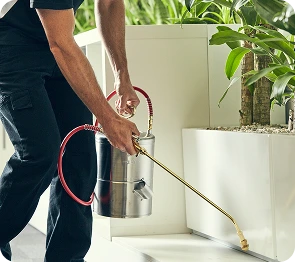
Hospital pest control should always focus on targeted treatment rather than excessive chemical use.
As technicians, we try to treat where cockroaches hide and travel, not simply where they are seen.
Depending on the zone and infestation level, treatment may involve:
Gel baiting
Crack-and-crevice treatment
Dust applications inside voids
Drain treatment
Non-chemical removal methods
Monitoring-based treatment rotation
Patient rooms and ICU areas usually require the least disruptive approach possible.
In kitchens and utility zones, treatments may focus more heavily on hidden harbourage points near moisture and food sources.
Treatments should always remain controlled, documented, and suitable for sensitive healthcare environments.
Step 7: Zone-Based Hospital Control
Different hospital areas require different control strategies.
Patient areas require:
Minimal disruption
Careful scheduling
Strong monitoring
Limited exposure risk
Kitchen zones require:
Intensive sanitation
Moisture reduction
Grease control
Food protection
Utility and back-of-house areas often require:
Structural repairs
Drain management
Void inspections
More aggressive harbourage treatment
Treating all areas the same usually leads to poor long-term control.
Step 8: Ongoing Maintenance and Prevention
Cockroach control is not a one-time service.
Hospitals operate continuously, which means pest pressure also continues year-round.
Long-term success depends on:
Regular inspections
Monitoring reviews
Maintenance repairs
Staff reporting
Cleaning consistency
Moisture management
Facilities that only react after visible sightings often struggle with recurring infestations.
The best hospital pest management programs focus on prevention before populations increase.
When Professional Intervention Is Needed
Professional pest management becomes critical when:
Cockroaches appear in patient zones
Activity spreads between departments
Infestations return repeatedly
Drain-connected activity is suspected
Hidden moisture damage exists
Monitoring shows increasing activity
Large healthcare facilities require structured pest management programs with clear documentation, monitoring systems, and long-term prevention planning.
Conclusion
Effective cockroach control in hospitals depends on much more than spraying chemicals.
Long-term control comes from understanding how cockroaches survive inside the building and removing the conditions that support them.
The safest and most effective programs combine:
Inspection
Monitoring
Sanitation
Moisture control
Structural sealing
Targeted treatment
Ongoing maintenance
When these systems work together, hospitals can reduce infestation risks, maintain hygiene standards, and protect both patients and staff from hidden pest activit
Concerned about cockroach activity in a healthcare facility? Contact CPS today to arrange a professional inspection and tailored treatment plan.
We acknowledge the Traditional Custodians of Country throughout Australia and their connections to land, sea, and community.
We pay our respect to their Elders past and present and extend that respect to all Aboriginal and Torres Strait Islander peoples today.