Send us a message and one of our specialists pest managers will be in touch
Does Rain Affect Pest Treatments? Here’s What You Should Expect
September 25, 2026
It is one of the most common questions people ask after booking a pest control service: “What happens if it rains?” Many homeowners worry that rain will wash away the treatment and make it less effective. While this may seem logical, the answer is not always that simple. The impact of rain depends on several […]
It is one of the most common questions people ask after booking a pest control service: “What happens if it rains?”
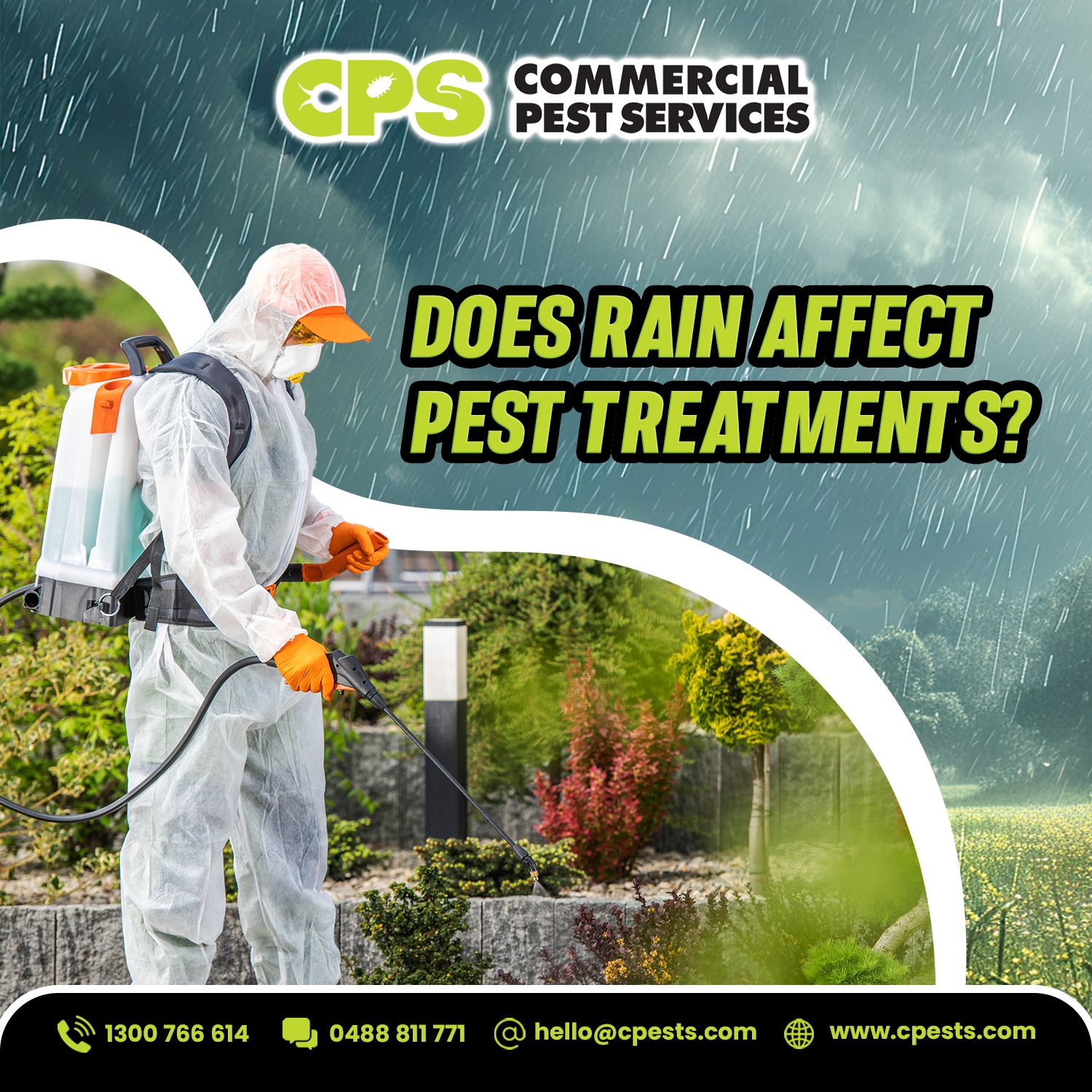
Many homeowners worry that rain will wash away the treatment and make it less effective. While this may seem logical, the answer is not always that simple. The impact of rain depends on several factors, including the type of pest treatment, where it is applied and when the rain occurs.
Understanding what to expect can help you feel more confident about your pest control service and know when, if ever, you should contact your pest management provider.
Expectation: Rain Always Washes Away Pest Treatments
This is one of the biggest misconceptions about professional pest control.
Modern pest treatments are selected and applied according to the pest being managed and the environment where the treatment takes place. Pest control technicians also consider weather conditions before carrying out outdoor treatments.
In many cases, light rain after treatment has little or no impact. However, heavy rainfall immediately after certain outdoor applications may reduce the effectiveness of some surface treatments.
Instead of assuming every treatment has failed, it is important to understand how different services respond to wet weather.
What Happens to Different Types of Pest Treatments?
Indoor Pest Treatments
Indoor pest treatments are generally protected from rain because they are applied inside the property. As long as treated areas are left undisturbed according to your technician’s advice, rainfall outside should not affect their performance.
Outdoor Barrier Treatments
Outdoor barrier treatments create a protective zone around your home. Once the treatment has had enough time to dry and bond to the surface, light rain usually causes little concern.
However, extremely heavy rain shortly after application may reduce coverage in some exposed areas. Your pest control technician will consider weather forecasts before scheduling outdoor treatments whenever possible.
Termite Management
Termite management works differently from general surface spraying. Depending on the treatment method, rainfall may have little impact once the system has been correctly installed or applied.
Because every property is different, your technician will recommend the most suitable termite management solution based on site conditions.
Rodent Control
Rodent management often relies on inspections, monitoring and strategically placed bait stations. These systems are designed to continue working in a range of weather conditions when installed correctly.
What Should You Do If It Rains?
If light rain falls several hours after your treatment, there is usually no reason to worry.
If your area experiences unusually heavy rainfall soon after an outdoor service, contact your pest control provider for advice. They can assess whether a follow-up visit is necessary based on the treatment performed and local conditions.
Avoid making assumptions or reapplying DIY pest control products, as this may interfere with the professional treatment.
How to Get the Best Results From Your Pest Treatment
While weather plays a role, your actions also help determine how effective a treatment will be.
Follow any aftercare instructions provided by your technician. Avoid washing treated surfaces unless advised otherwise, and continue practising good hygiene by storing food properly, managing rubbish and reducing excess moisture around your property.
Routine pest inspections also help identify new pest activity before it develops into a larger infestation. Or protect your home all year with CPS Home Shield Plan.
Professional Pest Control Considers More Than the Weather
Rain is only one factor that can influence pest activity and treatment outcomes. Professional pest control technicians consider weather conditions, pest behaviour and property characteristics before recommending the most suitable pest management approach.
In most cases, a little rain does not mean your treatment has failed. If you have concerns after your service, speak with your pest control provider. They can explain what to expect and help ensure your property remains protected throughout the year.
We acknowledge the Traditional Custodians of Country throughout Australia and their connections to land, sea, and community.
We pay our respect to their Elders past and present and extend that respect to all Aboriginal and Torres Strait Islander peoples today.