Send us a message and one of our specialists pest managers will be in touch
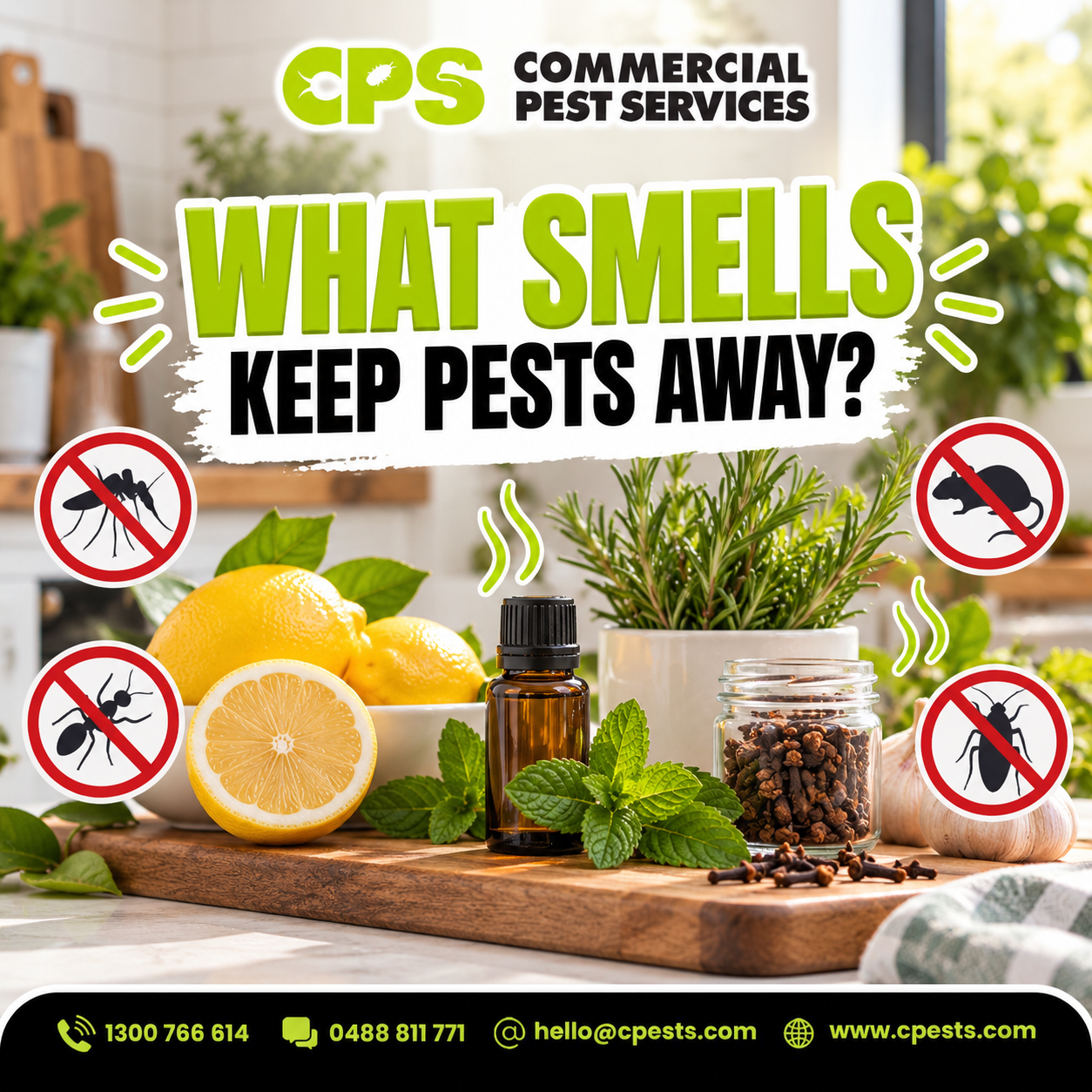
What Smells Keep Pests Away?
September 26, 2026
Many homeowners look for natural ways to keep pests away. One of the most common questions is whether certain smells can stop insects and rodents from entering the home. You may have heard that peppermint, vinegar or citrus can repel pests, but do these methods really work? The short answer is that some smells may […]
Many homeowners look for natural ways to keep pests away. One of the most common questions is whether certain smells can stop insects and rodents from entering the home. You may have heard that peppermint, vinegar or citrus can repel pests, but do these methods really work?
The short answer is that some smells may discourage certain pests for a limited time. However, they are not a complete solution. Lasting pest prevention depends on reducing the food, water and shelter that pests need to survive.
Understanding how natural scents work can help you decide when they may be useful and when professional pest management may be the better option.
Why Do Some Smells Affect Pests?
Many pests rely on their sense of smell to find food, water and suitable places to hide.
Strong scents can sometimes interfere with these natural behaviours. As a result, some pests may avoid areas with certain smells. However, not every pest reacts the same way, and no scent works for every situation.
Even if a smell discourages pests temporarily, it does not remove nests, stop breeding or prevent new pests from entering your home.
Common Smells People Use to Deter Pests
Several natural scents are often mentioned as household pest deterrents. While they may have some short-term benefits, their effectiveness is usually limited.
Peppermint
Peppermint oil is one of the most popular natural pest repellents. Many people use it in the hope of discouraging spiders and rodents because of its strong scent.
Although peppermint may temporarily affect pest behaviour in some situations, it should not be relied on as a long-term pest control method. The scent fades over time and needs frequent reapplication.
Citrus
Fresh citrus peels and citrus-based products are commonly used around kitchens and entry points.
Their fresh smell may help discourage some ants for a short period. However, citrus does not remove ant colonies or prevent new ants from finding food sources inside your home.
Vinegar
Vinegar is often recommended for ant control, but its main benefit is as a cleaner.
When used on surfaces, vinegar helps remove the scent trails that ants leave behind for other ants to follow. While this may interrupt their path, it does not eliminate the nest.
Lavender and Eucalyptus
Lavender and eucalyptus are popular natural fragrances that many people enjoy in their homes.
Some homeowners use these scents to discourage flying insects or spiders. Like other natural options, they may provide temporary support but should not replace proven pest prevention practices.
Why Smells Alone Are Not Enough
Natural scents do not remove the conditions that attract pests.
If your home still provides easy access to food, water and shelter, pests are likely to return once the scent fades. Hidden nests, entry points and breeding areas will also remain untouched.
For this reason, natural smells work best as a small part of a broader pest prevention plan rather than a complete solution.
What Works Best for Long-Term Pest Prevention?
The most effective pest prevention starts with simple everyday habits.
Store food in airtight containers, clean up crumbs and spills promptly, and empty rubbish bins regularly. Repair leaking taps, reduce excess moisture and seal gaps around doors, windows and utility pipes where pests may enter.
Regularly maintaining your garden and arranging routine pest inspections also help reduce the risk of infestations before they become larger problems.
Prevention Goes Beyond Pleasant Smells
Natural scents may help discourage some pests for a short time, but they cannot replace good housekeeping and preventive pest management.
A clean home with fewer food sources, less moisture and fewer entry points is far less attractive to household pests. By combining practical prevention with professional pest control when needed, you can enjoy longer-lasting protection and a healthier home throughout the year.
We acknowledge the Traditional Custodians of Country throughout Australia and their connections to land, sea, and community.
We pay our respect to their Elders past and present and extend that respect to all Aboriginal and Torres Strait Islander peoples today.