Send us a message and one of our specialists pest managers will be in touch
Indoor vs Outdoor Pest Treatment: Do You Need Both?
September 15, 2026
You do not always need both indoor and outdoor pest treatment. The right approach depends on where pests are active, how they enter the property and what conditions are supporting the problem. In some cases, treating both areas provides a more complete pest management strategy. Do You Need Indoor and Outdoor Pest Treatment? Not necessarily. […]
You do not always need both indoor and outdoor pest treatment. The right approach depends on where pests are active, how they enter the property and what conditions are supporting the problem. In some cases, treating both areas provides a more complete pest management strategy.
Do You Need Indoor and Outdoor Pest Treatment?
Not necessarily.
A professional pest assessment should determine where pest activity is occurring and which areas need attention.
For example, outdoor treatment may help address pest pressure around a property’s perimeter, while indoor treatment may be appropriate when pests are already active inside.
Therefore, the goal should not be to treat every possible area. Instead, the goal is to identify and manage the source, entry points and conditions supporting pest activity.
What Is Indoor Pest Treatment?
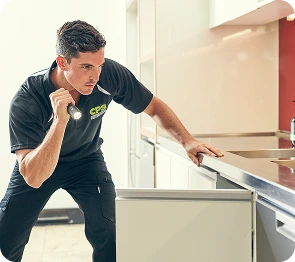
Indoor pest treatment focuses on pest activity inside a building.
Depending on the pest, this may involve areas such as:
Kitchens
Bathrooms
Storage areas
Wall or roof voids
Cracks and crevices
Other pest harbourage areas
The treatment method depends on the pest and property.
What Is Outdoor Pest Treatment?
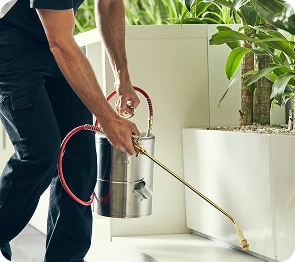
Outdoor treatment focuses on pest activity and risk around the outside of a property.
This can include:
Building perimeters
External entry points
Garden areas
Waste areas
Harbourage locations
Areas where pests may approach the building
Outdoor management can be useful when pests are entering from outside or when external conditions are contributing to recurring activity.
When Do You Need Indoor Treatment?
Indoor treatment may be appropriate when you notice:
Live pests inside
Droppings or other pest evidence
Nesting or harbourage
Repeated activity
Pest damage
Activity around food, water or storage areas
However, indoor activity does not automatically mean that every room requires treatment.
The technician should identify the areas relevant to the pest problem.
When Is Outdoor Treatment Important?
Outdoor treatment may be useful when pests are approaching the building from outside.
For example, gardens, waste areas, vegetation, structural gaps and other external conditions can contribute to pest pressure.
However, outdoor treatment alone may not solve an established indoor infestation.
You might want to read about the hidden pest risks in your backyard. Click Here.
When Might You Need Both?
Both indoor and outdoor management may be appropriate when the pest problem involves activity on both sides of the building.
A simple way to understand it is:
If you spot an indoor pest activity and there is a potential external source of pest entry points, both indoor and outdoor treatments may be required.
Similarly, if you face recurring activity, you better inspect both areas to identify the source.
This approach avoids treating areas without understanding the reason for the treatment.
Is Outdoor Pest Control Enough to Stop Indoor Pests?
Not always.
Outdoor treatment can help reduce pest pressure in some situations, but it cannot replace an indoor assessment when pests have already established themselves inside.
Likewise, indoor treatment may not address an external source that continues to create new pest activity.
That is why inspection should come before deciding between indoor, outdoor or combined treatment. Read more about pest inspection and why it matters.
How Do Professionals Decide Where to Treat?
A technician can assess pest evidence, entry points, harbourage, environmental conditions and the property’s layout.
The findings then help determine the most appropriate treatment approach.
CPS supports a broader pest management process that can combine treatment with monitoring and prevention, rather than relying only on repeated spraying.
We acknowledge the Traditional Custodians of Country throughout Australia and their connections to land, sea, and community.
We pay our respect to their Elders past and present and extend that respect to all Aboriginal and Torres Strait Islander peoples today.