Send us a message and one of our specialists pest managers will be in touch
Mosquito-Borne Diseases: What to Know
October 6, 2026
Mosquitoes are one of the most common pests worldwide, especially during warmer months. While most mosquito bites only cause itchy skin, some mosquitoes can spread diseases that affect both people and animals. Not every mosquito carries disease, and the level of risk depends on the mosquito species, location and environmental conditions. However, understanding mosquito-borne diseases […]
Mosquitoes are one of the most common pests worldwide, especially during warmer months. While most mosquito bites only cause itchy skin, some mosquitoes can spread diseases that affect both people and animals.
Not every mosquito carries disease, and the level of risk depends on the mosquito species, location and environmental conditions. However, understanding mosquito-borne diseases helps homeowners and businesses appreciate why mosquito prevention is an important part of public health.
Understanding mosquito-borne diseases as well as the most common ones, prevention against mosquitoes are useful for both homes and businesses.
How Do Mosquitoes Spread Diseases?
Mosquitoes do not naturally carry viruses or parasites.
Instead, they become infected after feeding on infected humans or animals, depending on the disease. Later, when the mosquito bites another person, it may pass the disease-causing organism to that individual.
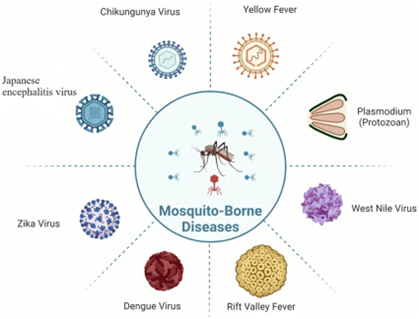
Different mosquito species transmit different diseases.
Although Australia has strong mosquito surveillance programs, mosquito management remains important because several mosquito-borne diseases continue to occur each year.
Common Mosquito-Borne Diseases
Dengue Fever
Dengue fever is one of the most widespread mosquito-borne diseases in the world. According to tWHO, an estimated 100 to 400 million infections occur globally every year.
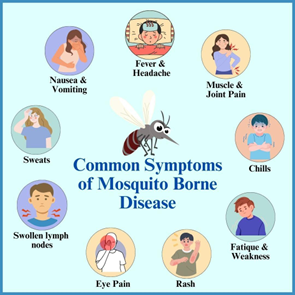
Symptoms often include high fever, severe headache, muscle and joint pain, nausea and skin rash. While many people recover within a few weeks, severe cases can become life-threatening without proper medical care.
In Australia, dengue transmission is limited and usually occurs in specific tropical regions or through travel-related cases. However, global travel continues to make dengue an important public health concern.
Malaria
Malaria remains one of the world’s most significant mosquito-borne diseases, causing up to 240 million cases globally each year.
Unlike viruses, malaria is caused by a parasite that spreads through infected Anopheles mosquitoes. Common symptoms include fever, chills, sweating, headache and fatigue.
Ross River Virus
Ross River virus is Australia’s most commonly reported locally acquired mosquito-borne disease, with around 5,000 reported cases each year. However, the numbers vary depending on seasonal conditions.
Symptoms of Ross River virus may experience joint pain, muscle aches, fatigue and skin rashes. While most people recover, some symptoms can last for several weeks or even months.
Barmah Forest Virus
Barmah Forest virus is the second most common mosquito-borne disease in Australia, with approximately 1,000 to 2,000 reported cases annually.
Its symptoms are similar to Ross River virus and often include joint pain, tiredness, muscle aches and skin rashes. Although most people recover completely, recovery time differs from person to person.
Therefore, public awareness and mosquito management continue to play an important role in reducing the impact of this disease across Australia.
Who Is Most at Risk?
Anyone can be bitten by mosquitoes, but some groups face greater exposure.
Children and older adults
Outdoor workers, campers, hikers, and people who spend long periods outside
Travellers who visit countries where mosquito-borne diseases are common
Reducing mosquito breeding around homes remains one of the most effective ways to lower the risk of infection.
How to Reduce Mosquito Risks
Fortunately, simple preventive measures can significantly reduce mosquito activity around your property.
Remove Standing Water – Empty containers, old tires, roof gutters and bird baths that can collect water.
Wear Loose and Long Clothes – Opt for long sleeves, trousers, and loose clothes while spending time outside.
Use Insect Repellent – Apply mosquito repellent, which contains diethyl toluamide (DEET), picaridin, oil of lemon eucalyptus.
Install Flyscreens and Use Bed Nets – Apply flyscreens on doors and windows and buy bed nets if necessary.
If mosquitoes become a persistent problem around your home or business, professional mosquito management can help identify breeding sites and recommend targeted solutions.
Mosquitoes are more than just a seasonal nuisance. Although only some mosquitoes spread disease, reducing mosquito populations benefits both individuals and communities.
By understanding mosquito-borne diseases and taking simple preventive actions, homeowners and businesses can help protect their families, employees and visitors.
Effective mosquito management not only improves outdoor comfort but also supports the broader goal of safeguarding public health.
Contact Us for Mosquito Management at Your Property.
We are committed to providing services that are effective, transparent, and easy to understand.
Book an inspection now with CPS today to arrange a professional inspection and tailored treatment plan.
We acknowledge the Traditional Custodians of Country throughout Australia and their connections to land, sea, and community.
We pay our respect to their Elders past and present and extend that respect to all Aboriginal and Torres Strait Islander peoples today.